

Today is a special day in Chicago: Buddy Guy celebrates his 90th birthday. Although we are currently busy writing posts about Uzbekistan, this milestone—and America's 250th year—makes it the perfect moment to celebrate one of the country’s greatest musical traditions: the blues.
At his birthday bashes, Buddy Guy usually tells the same story—we’ve been to his birthday parties at Buddy Guy’s Legends a few times over the years and know it well—about Muddy Waters asking younger musicians to promise that whoever remained would keep the blues music alive. As one of the last living giants of that generation, Buddy Guy has honored this promise through his music and at his club.
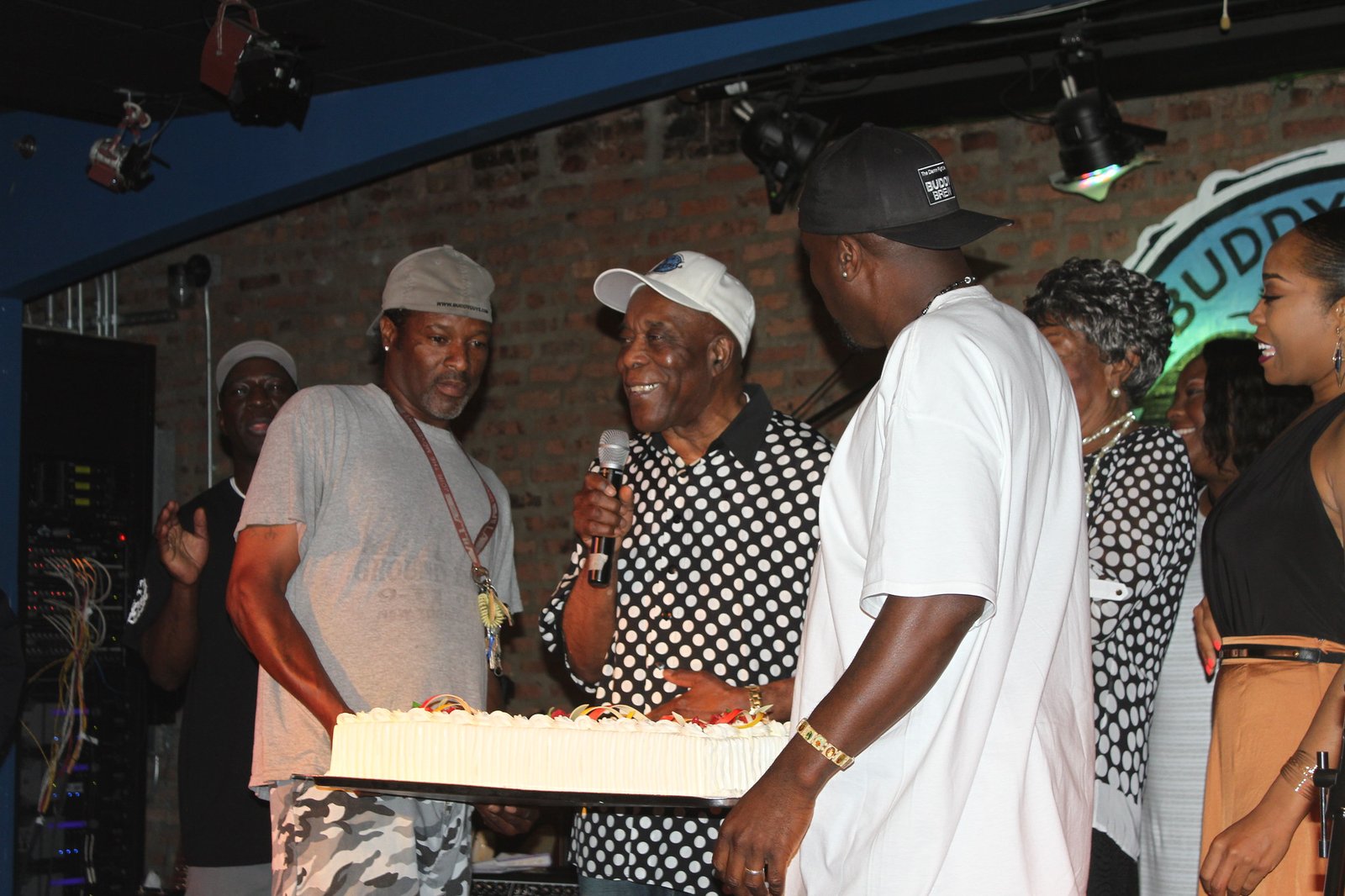
At one time, no such pact was needed. Back in the 1950s, Chicago had dozens of blues joints, and the music was mainstream. Chess Records, south of where Buddy Guy’s club now stands, was the epicenter of blues recording. Combining Delta blues brought to the city during the Great Migration and electric guitar music, Chicago blues became a defining feature of the city. Although the number of blues clubs have decreased substantially from the heyday, the blues is still deeply ingrained in Chicago’s identity: the city’s bid for hosting the 2016 Summer Olympics Games featured Buddy Guy and a blues soundtrack.
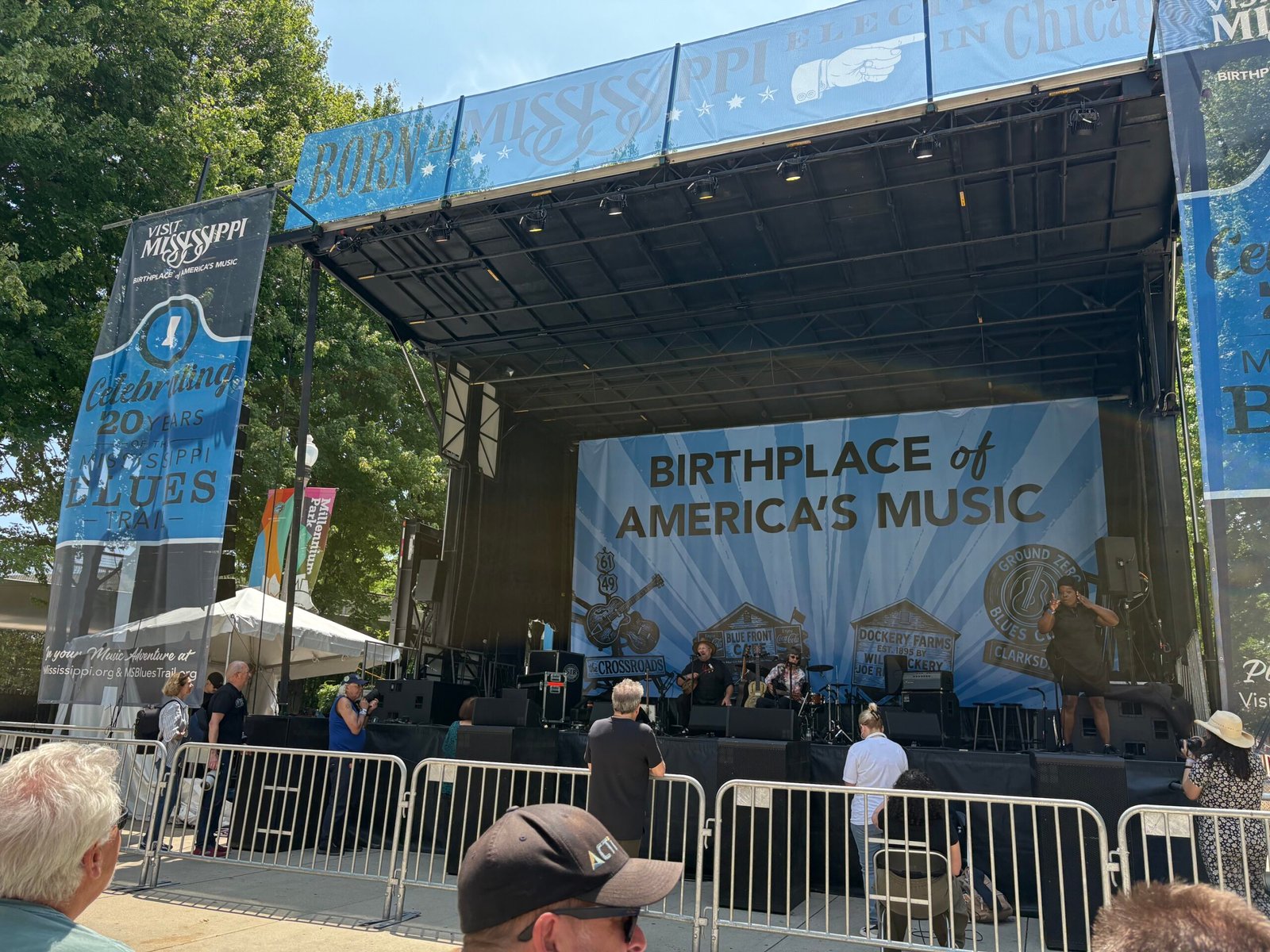
For those who want to experience the blues in the city, there are plenty of ways to do that. If you happen to be in Chicago at the beginning of June, the city hosts one of the largest blues festivals in the world with several stages set up on the lakefront. The event is free of charge and features both local acts and nationally recognized performers.
There are also a few dedicated blues venues in the city. These are our favorite spots, in no particular order.
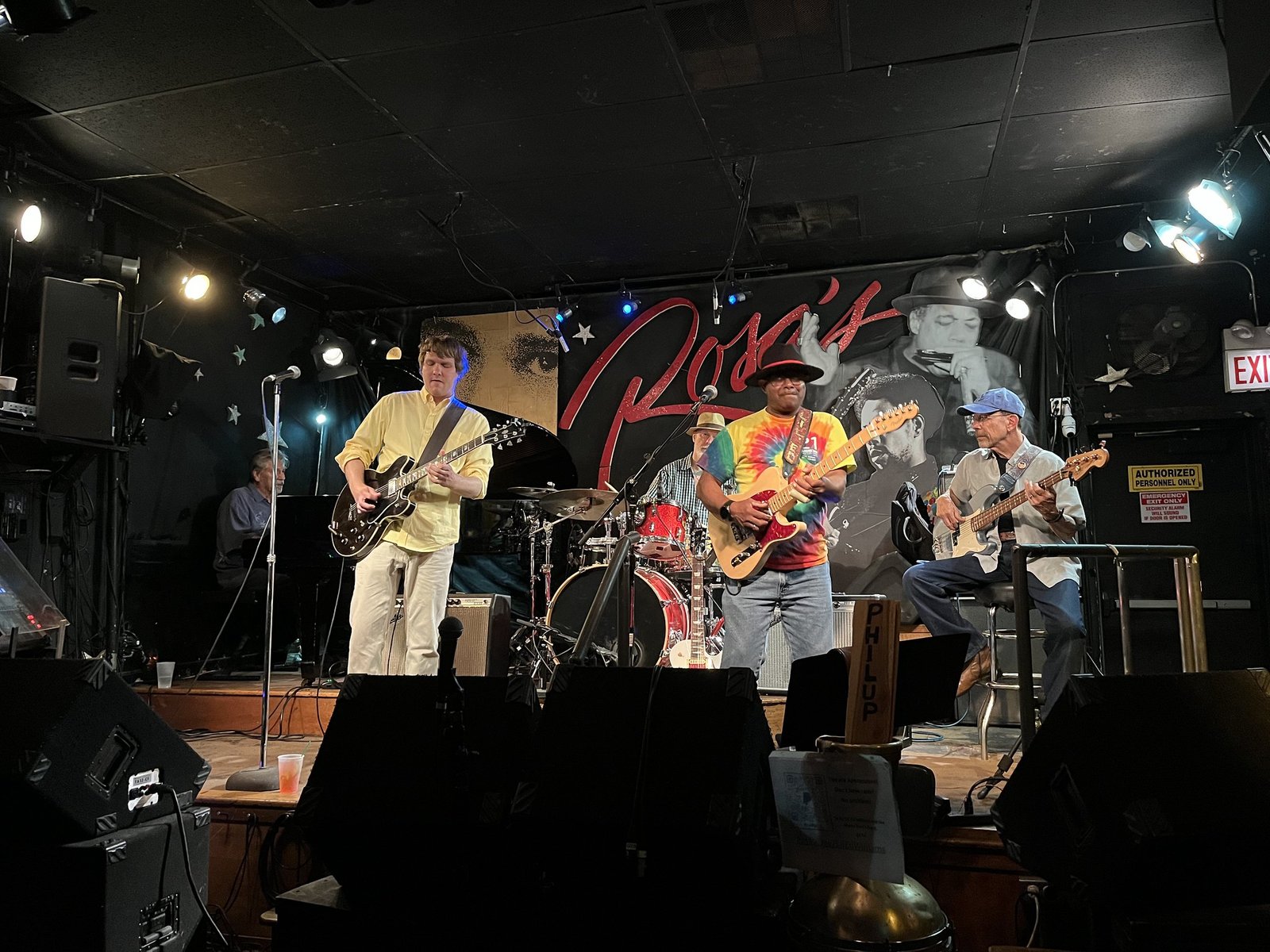
Rosa’s Lounge
This family-owned club has been around for over 40 years and is our favorite place to take out-of-town guests for the blues. The owner, an Italian immigrant, Tony Manguillo, named the venue after his mother, Rosa, and the spot has been a hidden gem for the blues-loving folks in Chicago. Due to its location in Logan Square, the club is slightly off the main tourist route. As a result, Rosa’s Lounge feels like a low-key, homey neighborhood joint, where everyone knows everybody. The club may not be as flashy as other options in town, but the cozy atmosphere makes up for it. Many musicians who play here rotate in other city clubs throughout the week as well.
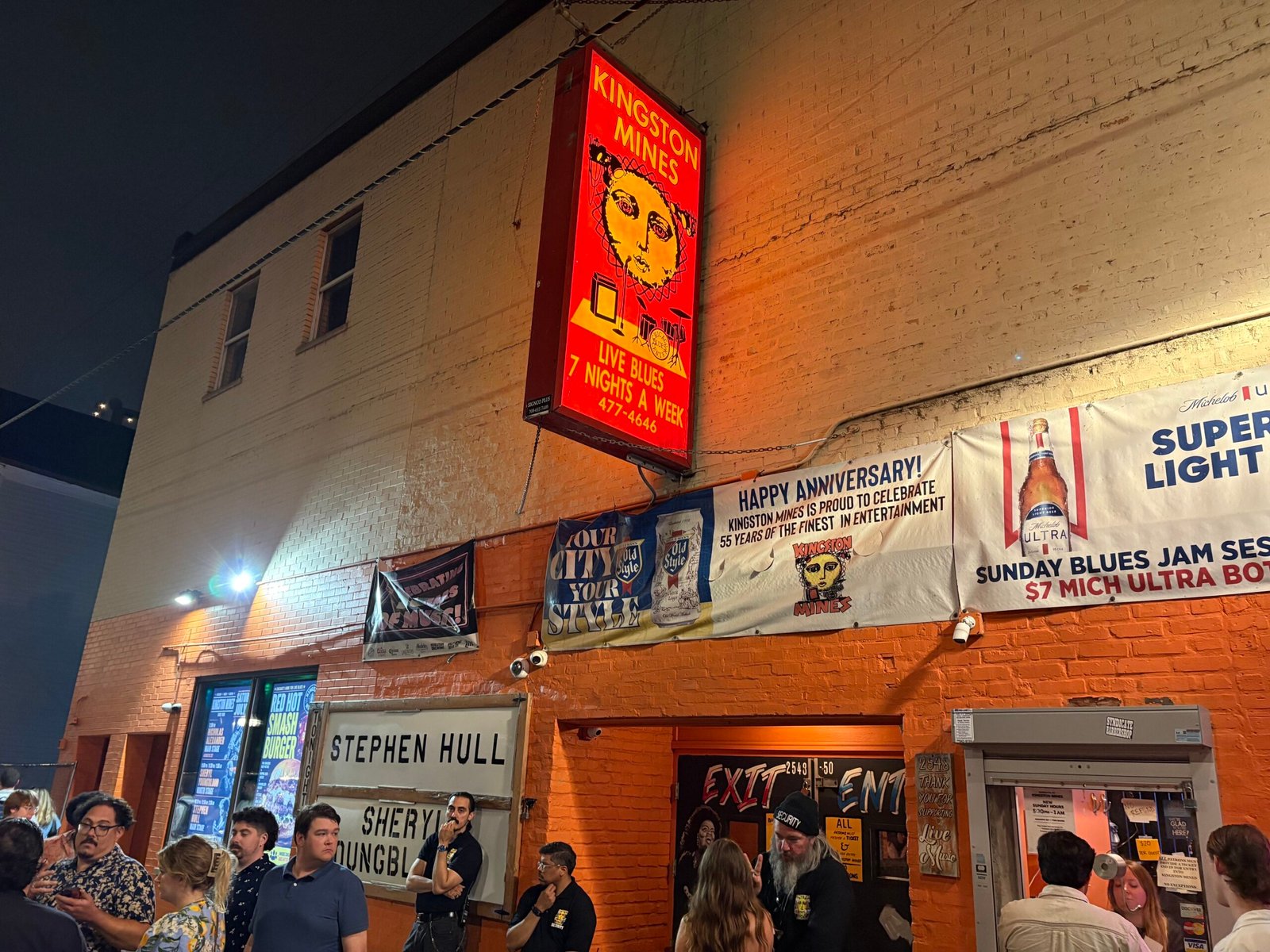
Kingston Mines
Located on Halsted Street in Lincoln Park, this place is the oldest blues establishment in the city and is easily one of the best options for the blues. If you’re not sure where to go, Kingston Mines is a safe bet. The club’s unique feature is that it has two stages, and you can have a fun night out, moving from one stage to another during the evening. Essentially, it’s getting two shows for the price of one. Years ago, buying tickets to Kingston Mines on a Sunday would also get you admission to B.L.U.E.S., a small and intimate blues joint across the street, but unfortunately, the latter didn’t survive the pandemic.
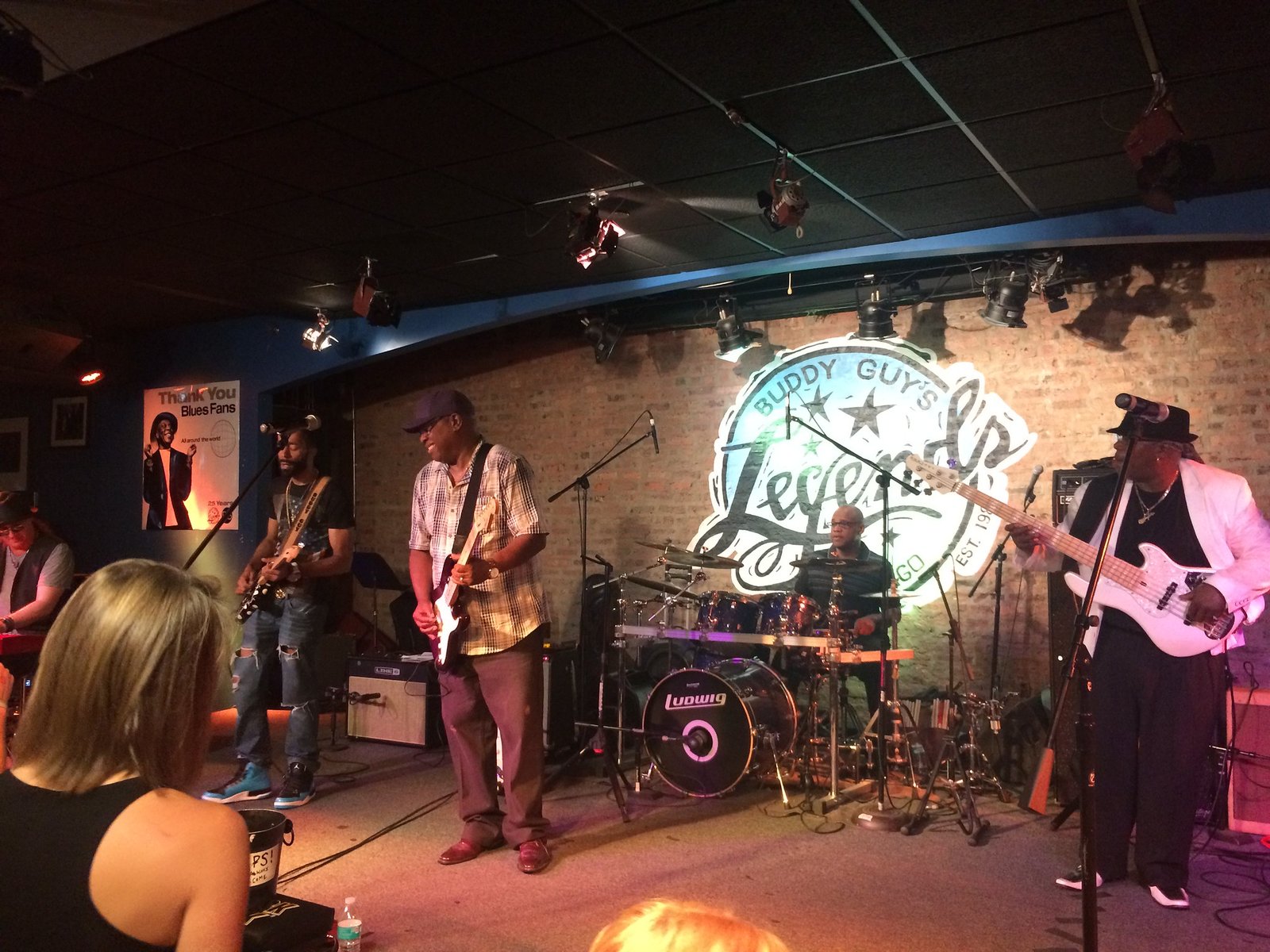
Buddy Guy’s Legends
Despite his age, Buddy Guy still performs and records music. Just a few months ago, he won another Grammy for Best Traditional Blues Album that was fittingly called “Ain’t Done With The Blues.” If you find yourself in Chicago in January, one of the best ways to escape the blistering cold is to hide at the Legends and listen to Buddy Guy play residency with other musicians. At all other times, the city’s best blues acts play here. The place is also a mini museum for Buddy Guy’s illustrious career. The exhibits on the walls and inside glass displays showcase the musician’s lifetime achievements and his impact on music worldwide. The only downside of the Legends is that it can be a little bit touristy, with so many visitors flocking to the club due to the legendary status of its owner.
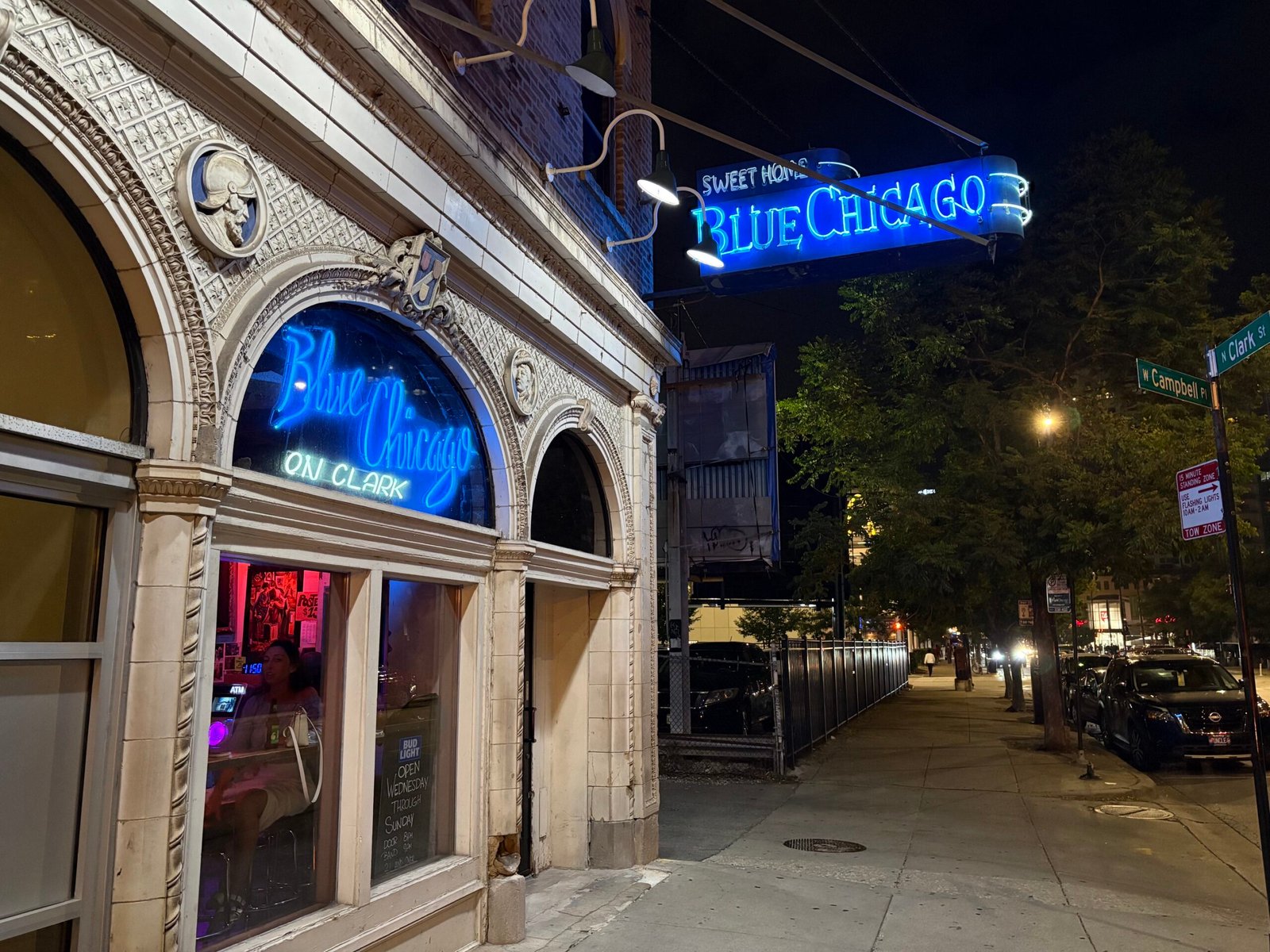
Blue Chicago
Located in glitzy Streeterville, this small blues club sometimes feels a little bit out of place. Still, the venue has a long history in the city (more than 40 years and counting), and its intimate interior gives you more personal experience than Kingston Mines or the Legends. A defining feature of this club is that it often features female singers.
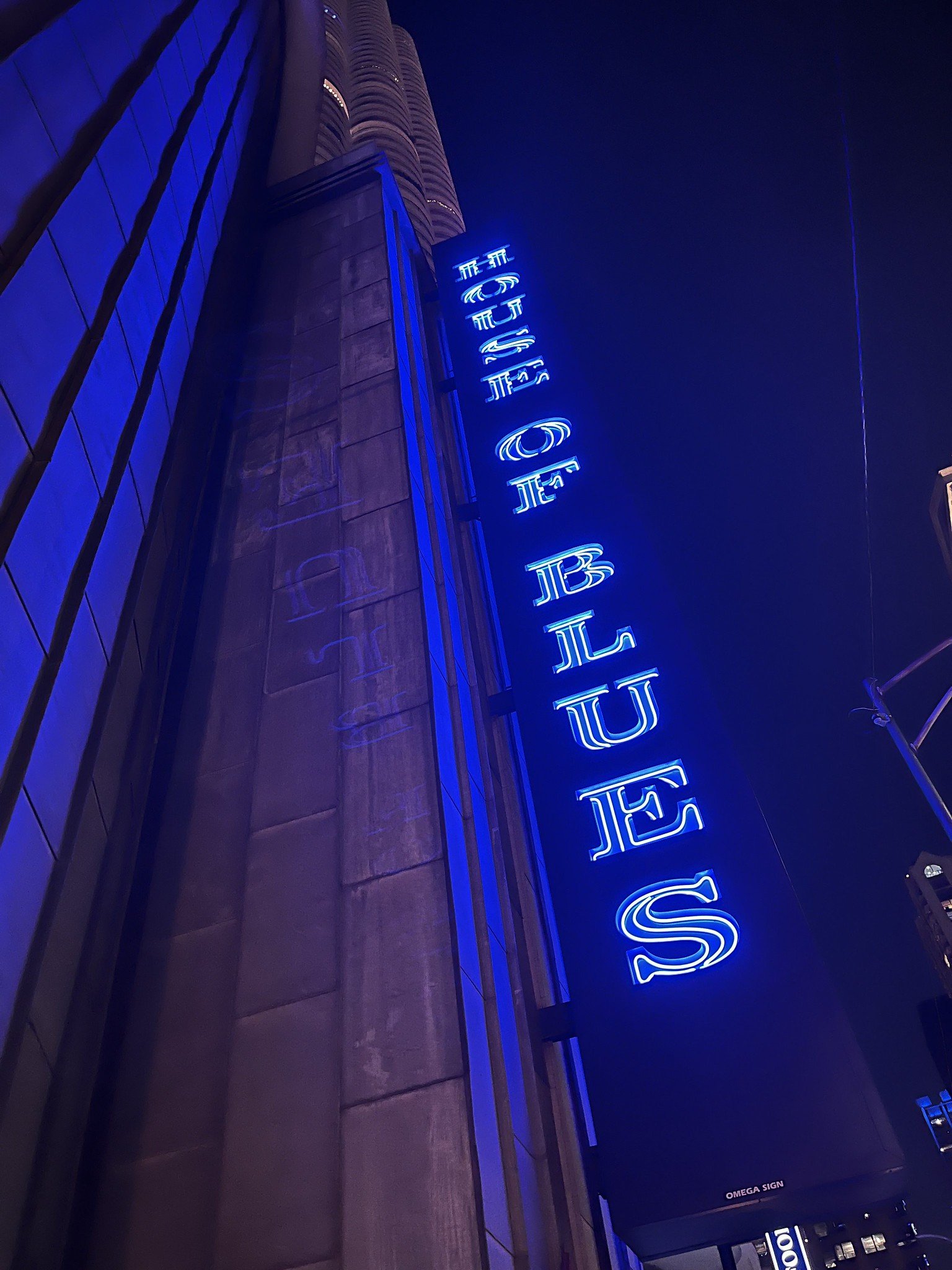
House of Blues
Despite its name, House of Blues is not a designated blues club but a chain concert venue. Of course, blues musicians also perform here, but showing up expecting the blues will not necessarily work, so check the venue’s website for upcoming concerts. Known for its prime location by the Chicago River and unique shape and interior, House of Blues is a coveted spot for musicians to perform, and a great place to catch a concert or a set.
Of course, there are many smaller venues where you can find the blues in Chicago (Lee’s Unleaded Blues, Monday Blues Lounge, and others). So, feel free to find your own favorite spot.
Listening to the blues in Chicago is like attending a fado performance in Lisbon or listening to bossa nova in Rio de Janeiro. You’re getting the city’s quintessential music experience. The blues is as Chicagoan as the lakefront, deep-dish pizza, or the “L” train. It’s Chicago that has transformed and electrified the music and people like Buddy Guy who keeps it alive.
Don’t miss it!