
For those of you following along, I mentioned how our tickets to Monterrey had been canceled twice, and it was becoming increasingly unclear whether the universe really did not want us visiting this part of Mexico or whether Viva Aerobus was only pretending to offer flights there.
Well, we finally made it to Monterrey!
This should not come as much of a surprise since Victor wrote the previous blog post about Cerro de la Silla, the iconic mountain overlooking Monterrey and one of the most recognizable symbols of Nuevo León. Apparently, the third time really was the charm. We finally managed to spend four days there: two exploring the city and two hiking in the spectacular mountains surrounding it.
We hiked Cerro de la Silla on our second full day in Mexico. More than seven miles of steep, rocky climbing left us completely exhausted by the following morning. So what do you do after an exhausting day of hiking? You go for another exhausting day of hiking.
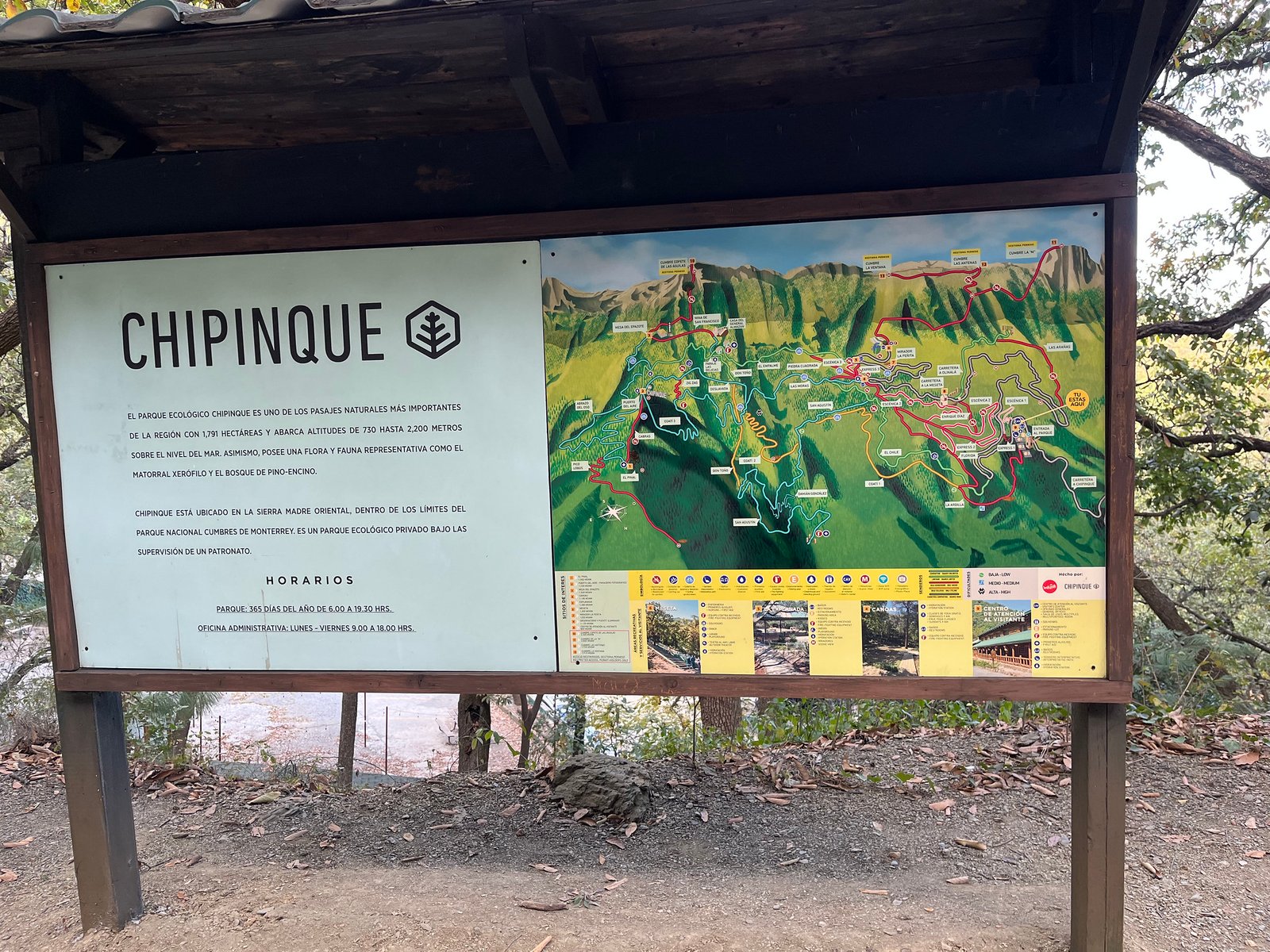
This time we chose Chipinque Park. Victor insisted it would be a lighter day. No major climbs, no dramatic summit, just a network of trails where we could hike as much or as little as our tired legs allowed before heading home to rest. The funny thing is that both of us knew exactly how this story would end, yet we went along with the plan anyway.
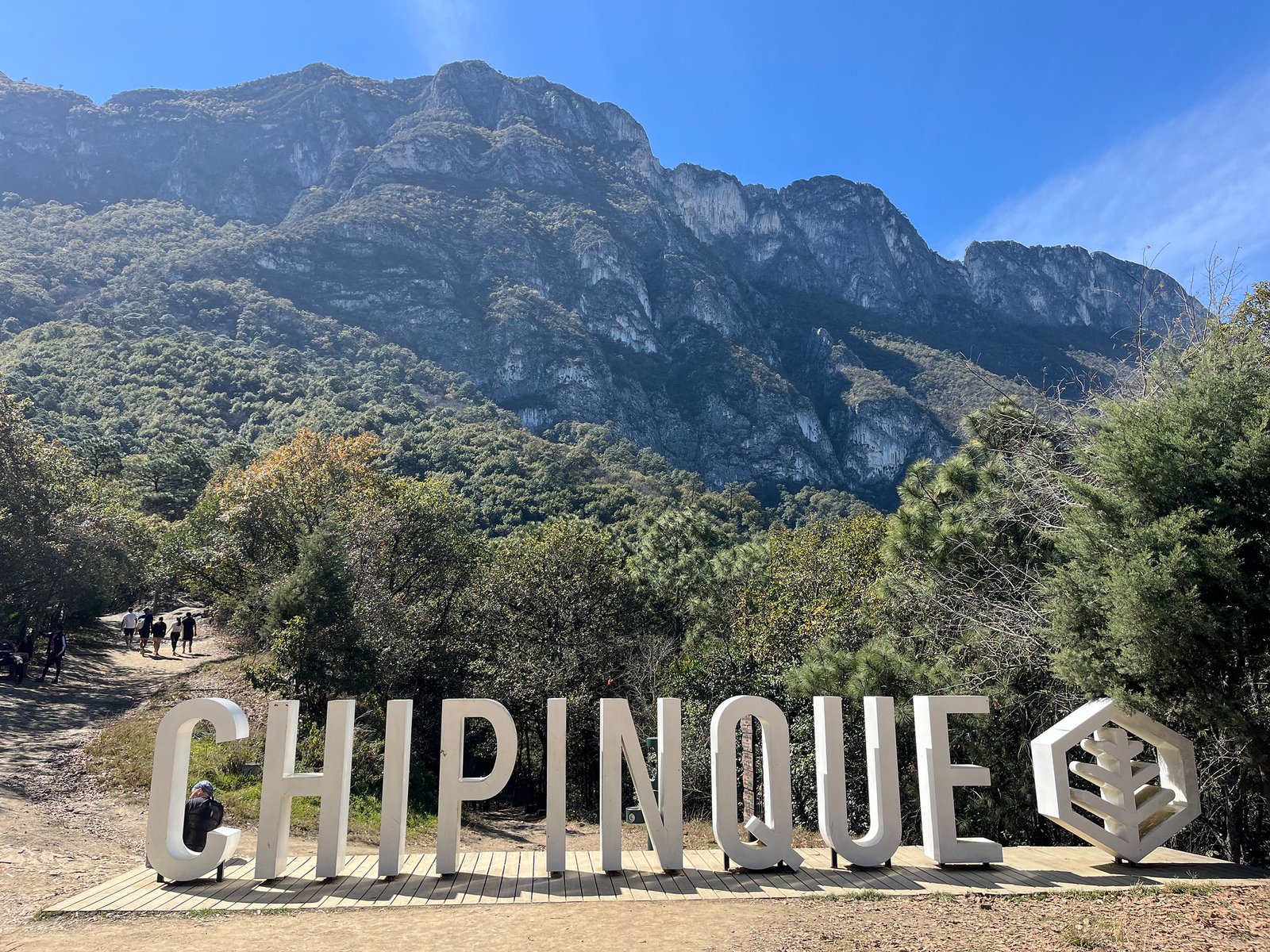
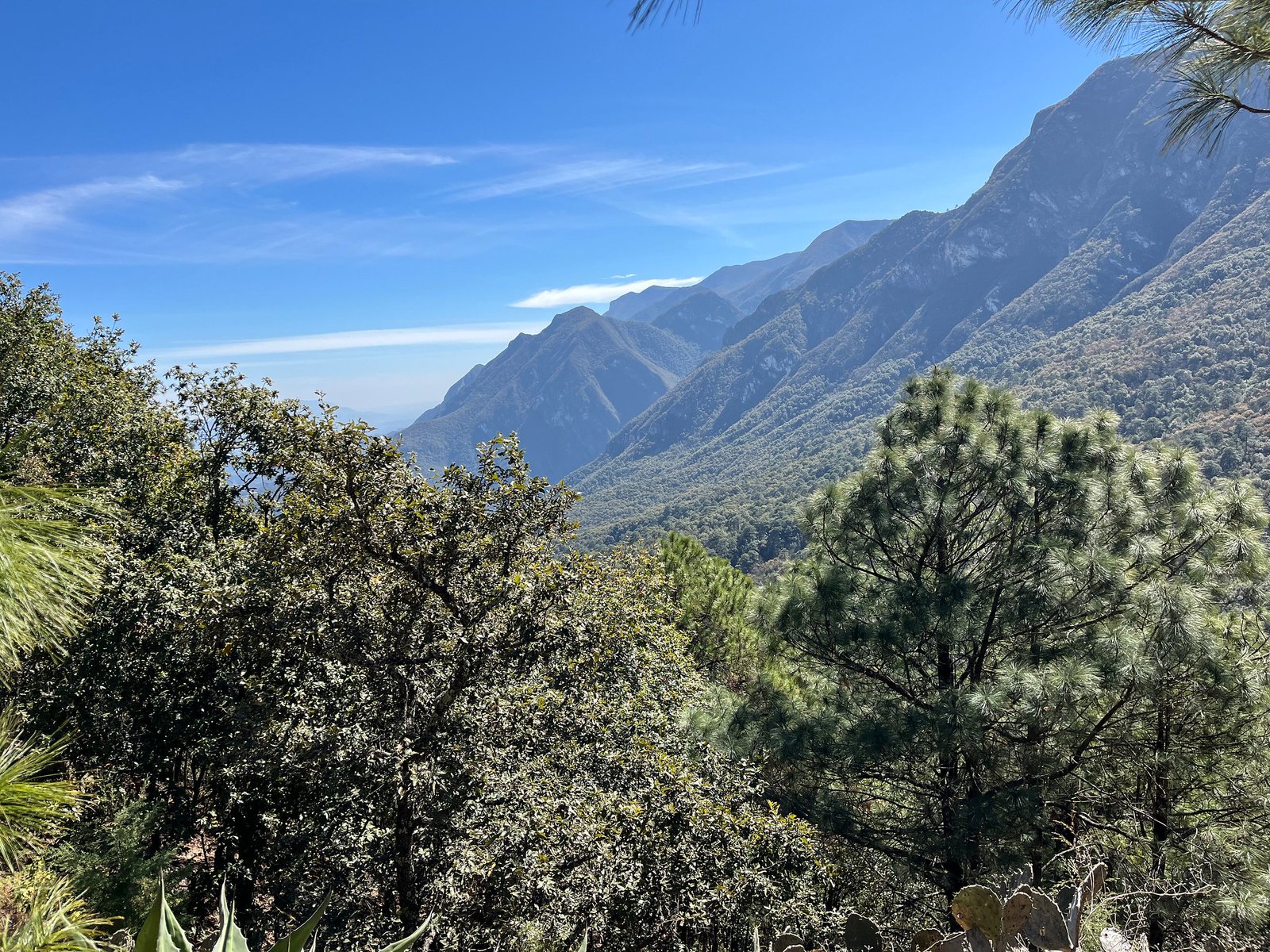
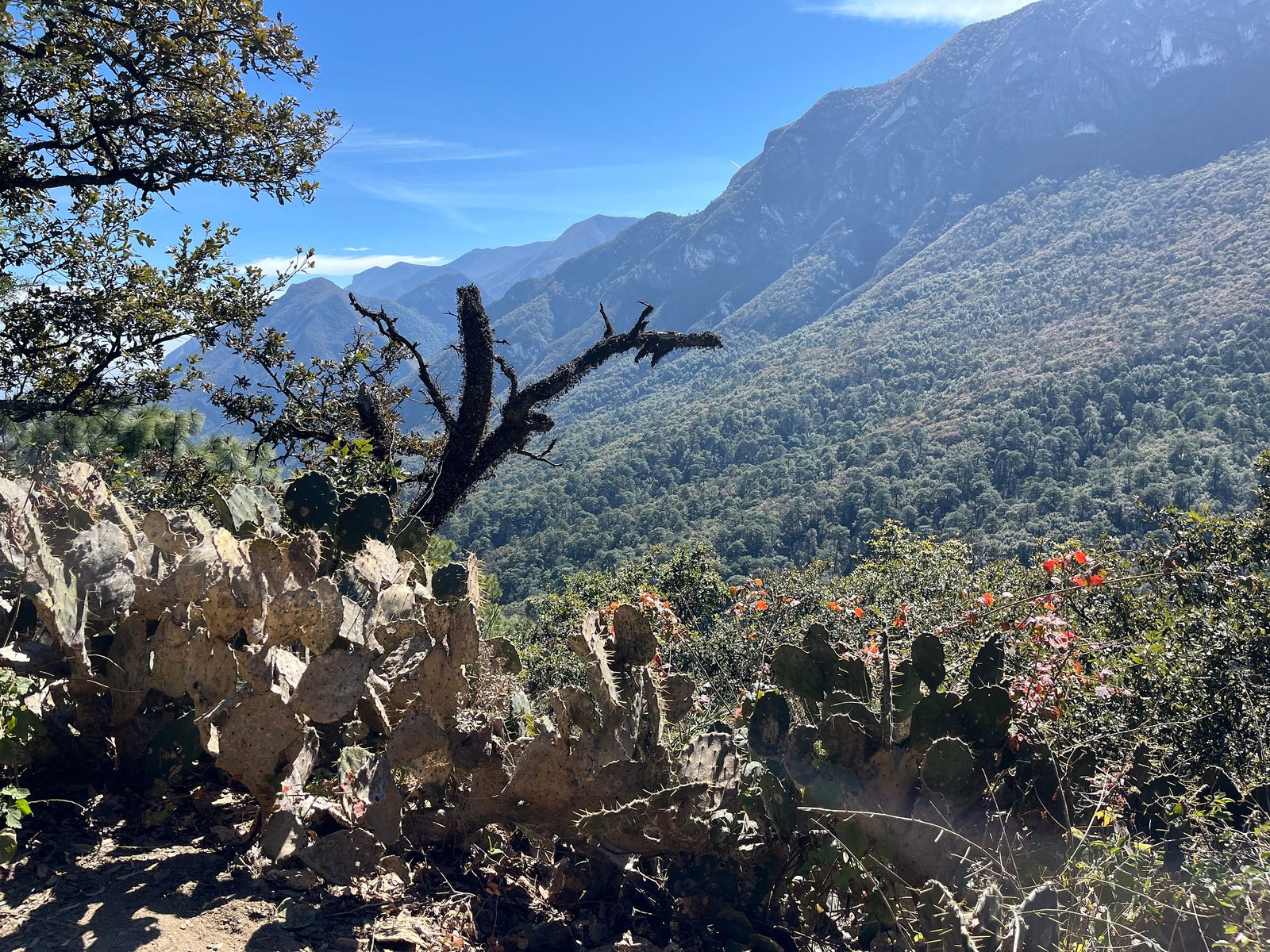
We arrived when the gates opened, left when they closed, hiked more than eleven miles, and barely dragged ourselves back home. Once we entered the park, turning back was never an option. A day in Chipinque is less about reaching a destination and more about following whatever trail looks interesting next. A shaded path beneath a canopy of oak and pine trees would suddenly turn into a steep limestone climb lined with agave and cactus. A bend in the trail would reveal an entirely new mountain vista. Every time we thought we had seen the best view of the day, another overlook proved us wrong.
By the afternoon we finally understood just how extensive the trail network was. We had wandered so deep into the park that getting back to the entrance required another six-mile trek. With daylight slipping away, we picked up the pace, though not enough to stop admiring the scenery. Forested canyons gave way to rocky slopes, ridgelines opened toward distant peaks, and clearings offered sweeping views of Monterrey far below.
Our only regret was not seeing any of the black bears Chipinque is famous for. Then again, it was a regret closely tied to relief. I am not entirely convinced I would have followed the official bear-safety instructions. On one hand, I could easily imagine panicking and running away. On the other hand, I could have easily forgot that bears are wild animals and tried to get close enough for a selfie and possibly a hug.
The hiking was the highlight of our visit, but it was not all we did. On the first day, still recovering from the flight, and on the last day, recovering from two days of hiking, we spent our time exploring Monterrey itself.
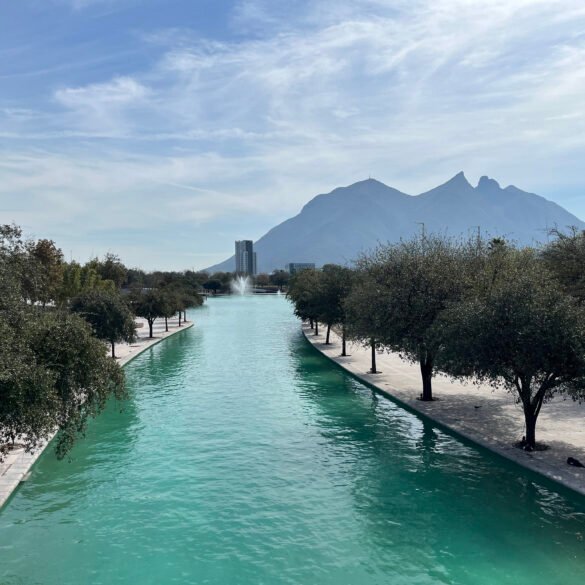
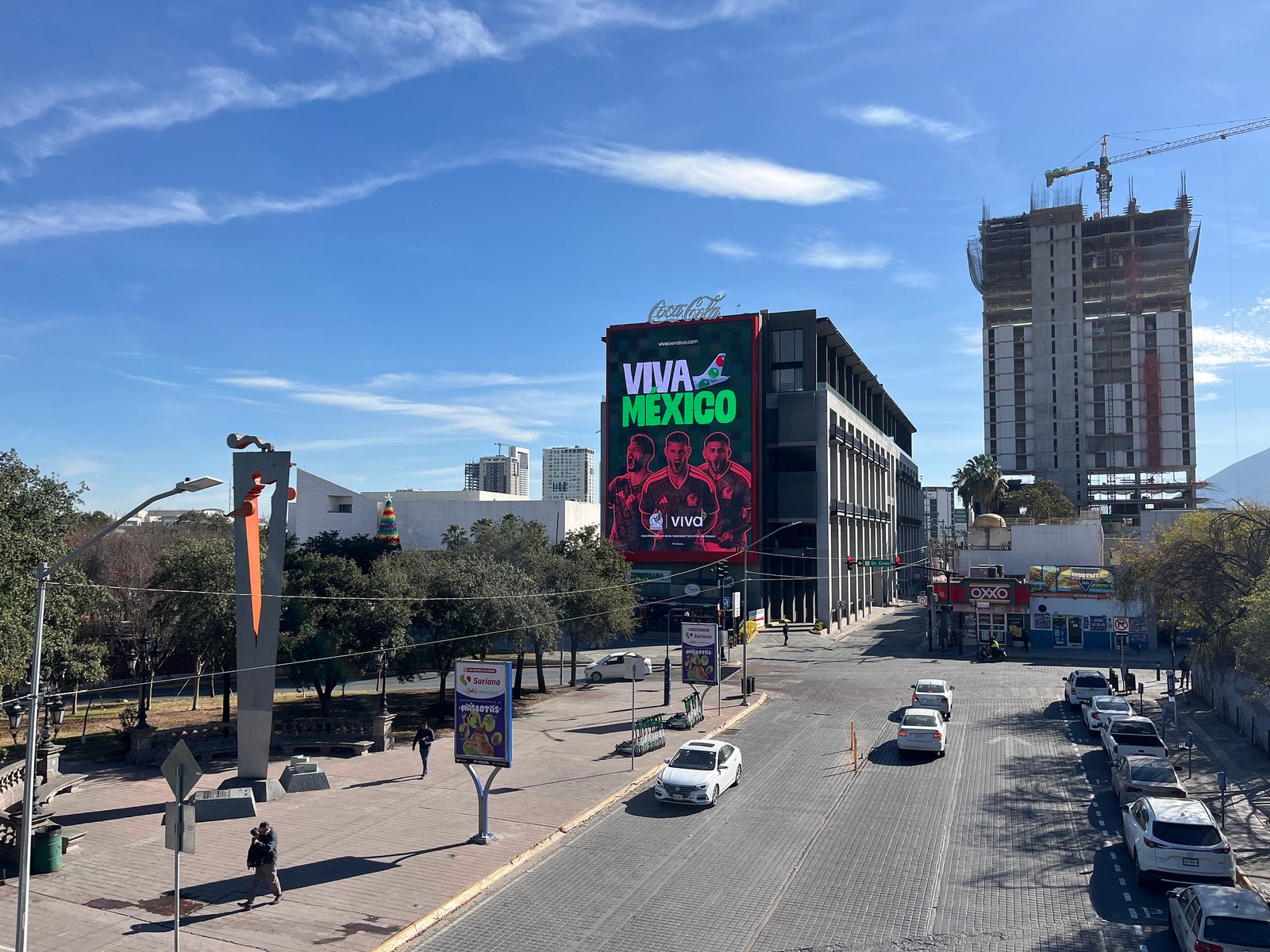
For a Mexican city, Monterrey is quite unique. There is no grand colonial center filled with colorful facades and a historic church, no plazas every few blocks with fountains and monuments, no cobblestone streets lined with historic buildings. Most upsetting, to me specifically, was the absence of the street vendors. After traveling through so much of Mexico, we have grown accustomed to streets filled with vendors selling tamales, quesadillas, tacos, tortas, aguas frescas, atole, and countless regional specialties. Monterrey has some street food, but not nearly enough for my taste. Much of the city is spread out, car-oriented, and built around wide roads rather than bustling pedestrian streets where food vendors naturally thrive.
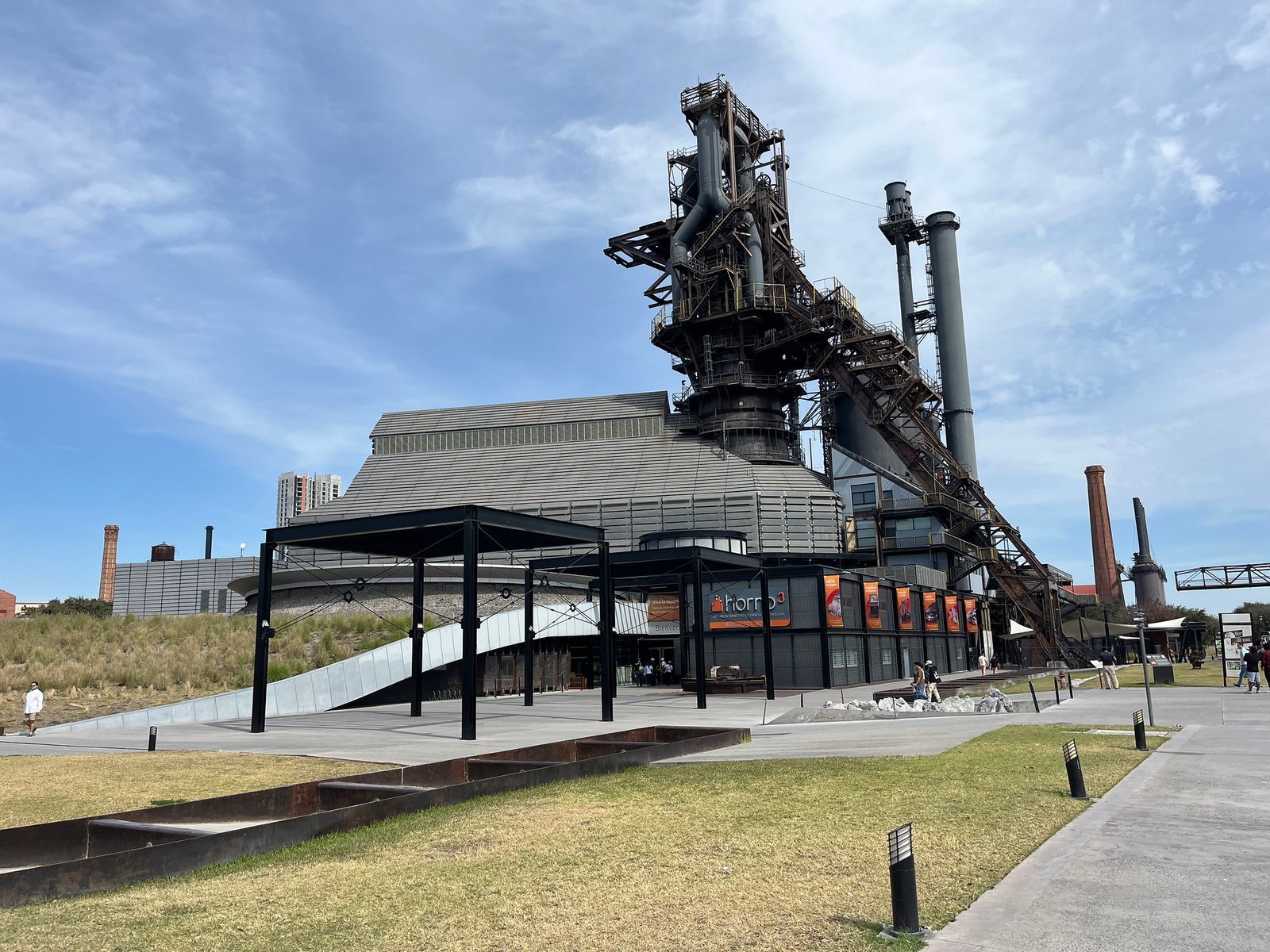
If the US border spontaneously shifted 150 miles south, then Monterrey would be just another standard U.S. city – glass office towers, luxury apartment buildings, industrial complexes, shopping centers, wide highways, and detached single-family homes on cul-de-sacs lined with trees. The city feels like a prosperous North American metropolis squeezed into a mountain valley. The closeness to the border is no accident – the city developed into an industrial and commercial powerhouse with steel mills, cement plants, breweries, and manufacturing companies due to decades of trade with the United States.
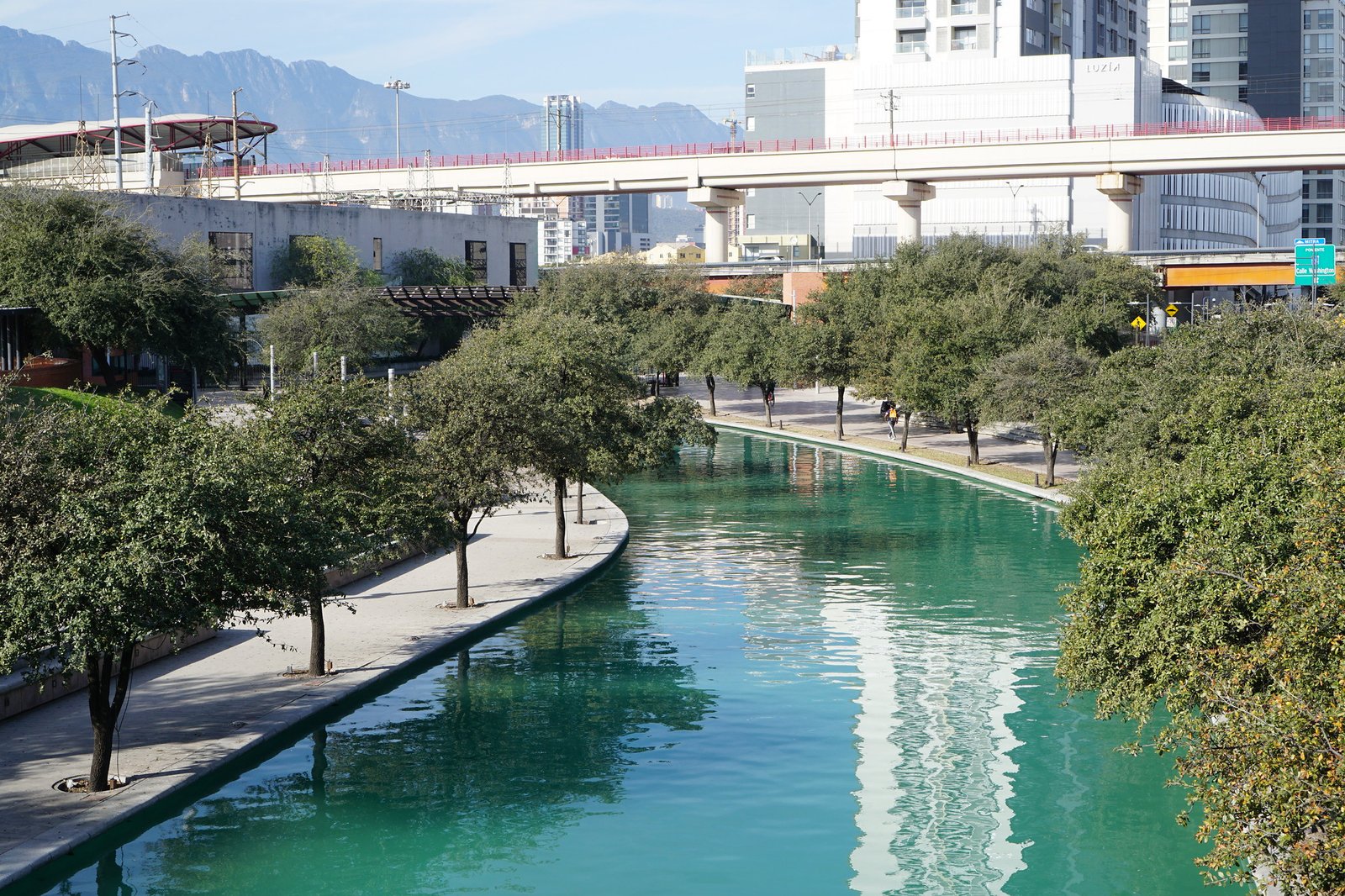
And yet, Monterrey is Mexican in the only way that matters – through its people. The language, the family-centered culture, the soccer obsession, the regional pride, and the warmth of the people are unmistakably Mexican. And of course, the food! The local cuisine reflects northern Mexico with its ranching tradition. Beef and cabrito (young goat) dominate menus, whether served as carne asada, ribeye, arrachera, or any cut of meat.
Monterrey revealed a side of Mexico that we rarely encounter as tourists. Our favorite cities such as Guadalajara, Mexico City, Guanajuato, Taxco, and San Miguel de Allende proudly showcase the country's colonial heritage. Monterrey reflects something different: modern Mexico. During our short visit, we explored fascinating museums, vast parks, contemporary public spaces, and still ran out of time for everything on our list. Local soccer stadiums, several museums, and a handful of neighborhoods will have to wait for another trip.
Hopefully, the universe and Viva Aerobus will not object when we return. We already have a good reason to come back.
South Korea vs. South Africa at the FIFA World Cup sounds like a perfectly reasonable excuse.