It’s been a while since we last wrote about Mexican food, hasn’t it?
To be frank, we could probably write a food post about every Mexican state we have visited and the delicious dishes we ate there. But today we are taking you to one of the most delicious states in Mexico—Michoacán!
Michoacán is a main contributor to Mexican cuisine. And we wouldn’t expect anything less from the state whose nickname is “el alma de México” (“the soul of Mexico”). We visited Michoacán several times, and every time it rewarded us generously, especially when it came to food.
La Michoacana
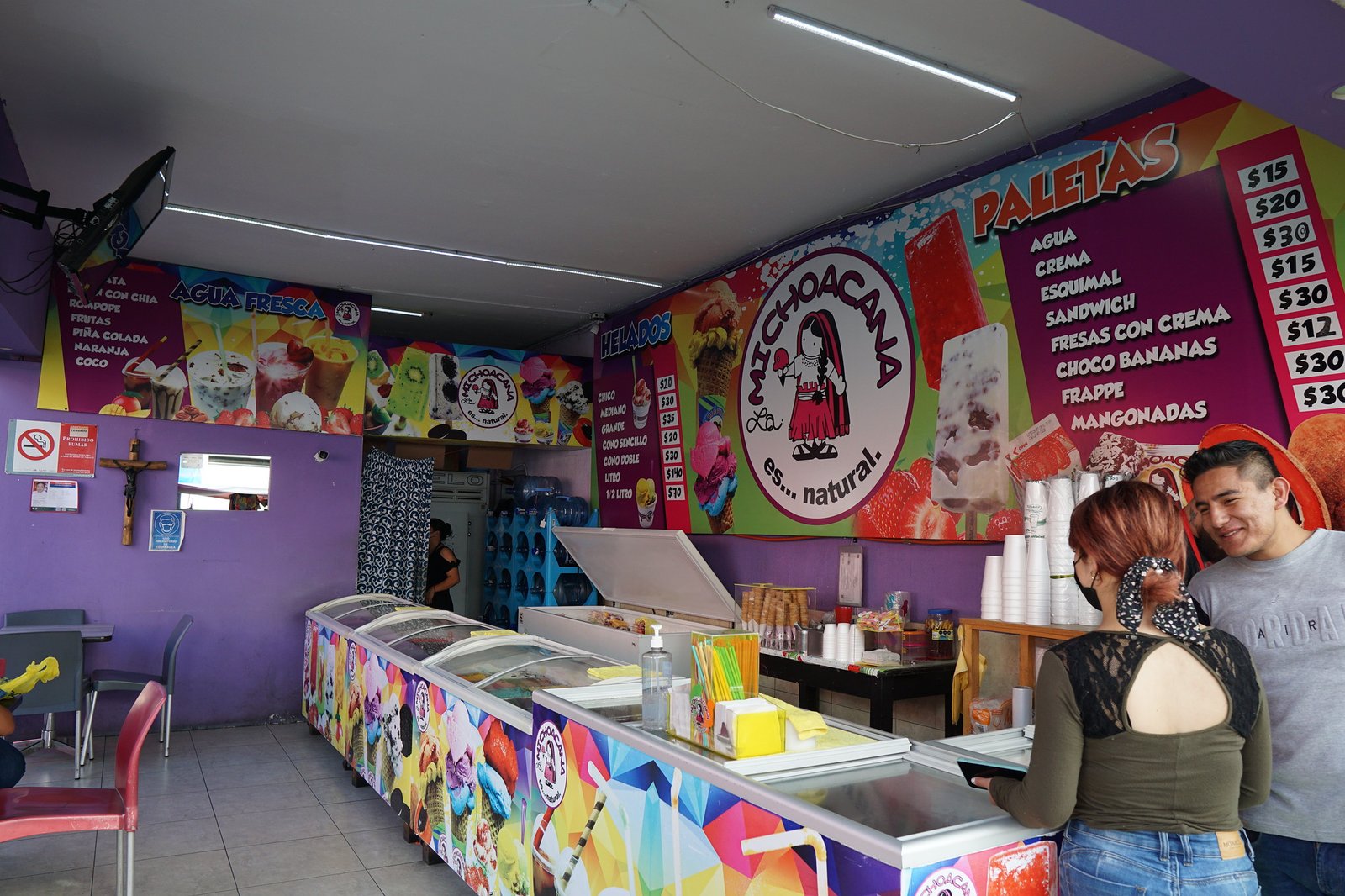
Ironically, our introduction to Michoacán food happened not in Mexico, but just a couple of blocks from our apartment—at our local La Michoacana. This popular Mexican ice cream chain sells not only paletas (ice cream bars) but also snacks like elote, Dorilocos preparados, and Tostilocos. Essentially, it’s Mexican street food sold in a shop. In 2022, when we traveled to Mexico to visit a monarch butterfly sanctuary, we were excited to see not only butterflies in their natural habitat but also a La Michoacana shop in Michoacán. And our neighborhood La Michoacana continues to be our guilty pleasure stop, where we occasionally indulge.
Carnitas
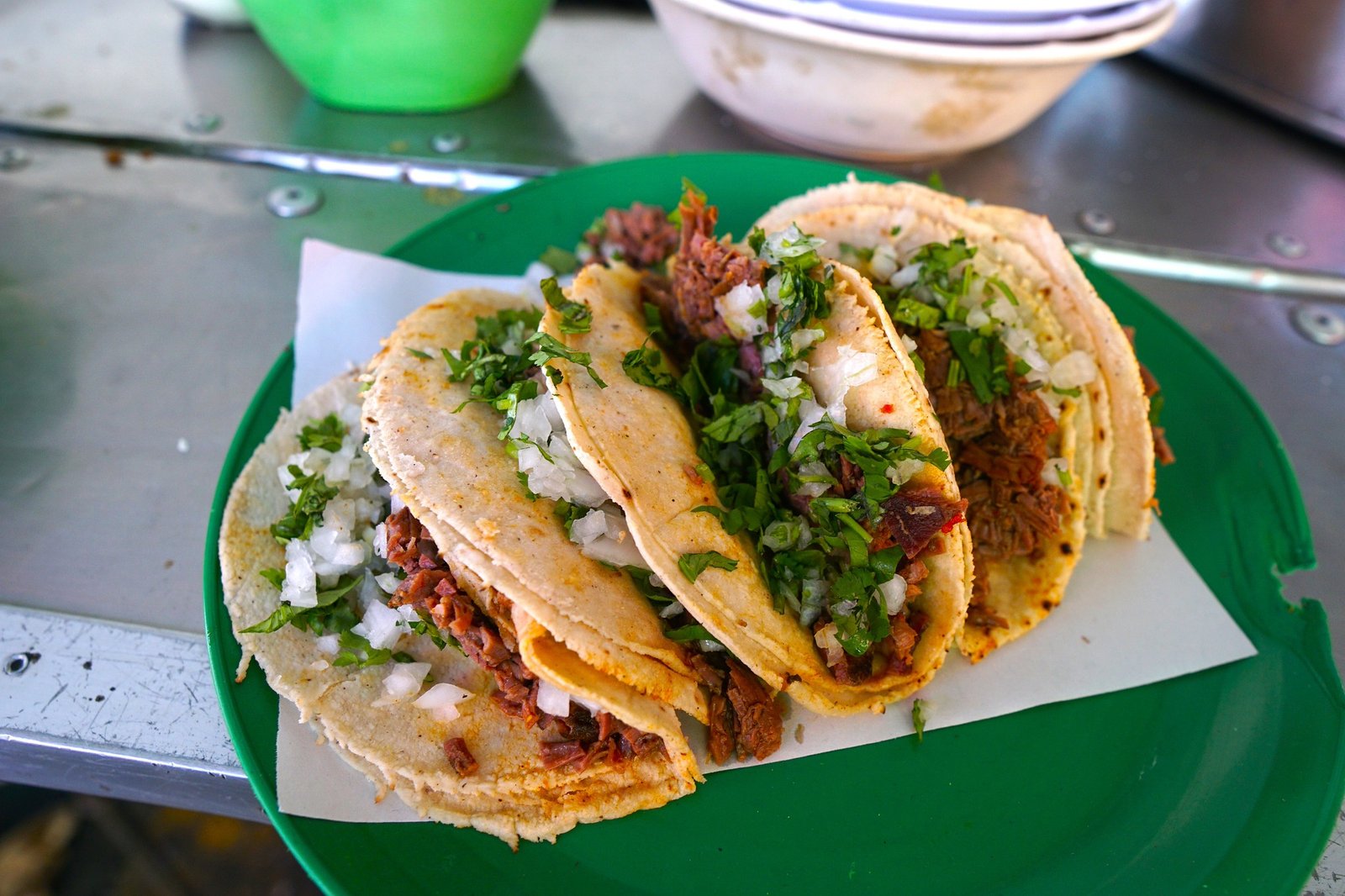
Carnitas are traditionally made by slowly cooking pork in lard until it's tender, then allowing it to brown in the rendered fat, creating crispy, caramelized edges. Served with cilantro, chopped onion, and salsas, carnitas are the perfect taco filling. Although you can find carnitas in other Mexican states and in the US, carnitas are Michoacán’s signature dish. Quiroga, a small town near Lake Pátzcuaro with its ubiquitous carnitas stands, was even featured in “Tacos Chronicles” on Netflix. Although we didn’t have time to travel there, carnitas from a market stand in Pátzcuaro were simply mouthwatering. The meat was so juicy that Julia fought hard not to stain her shirt while eating it.
Gazpacho
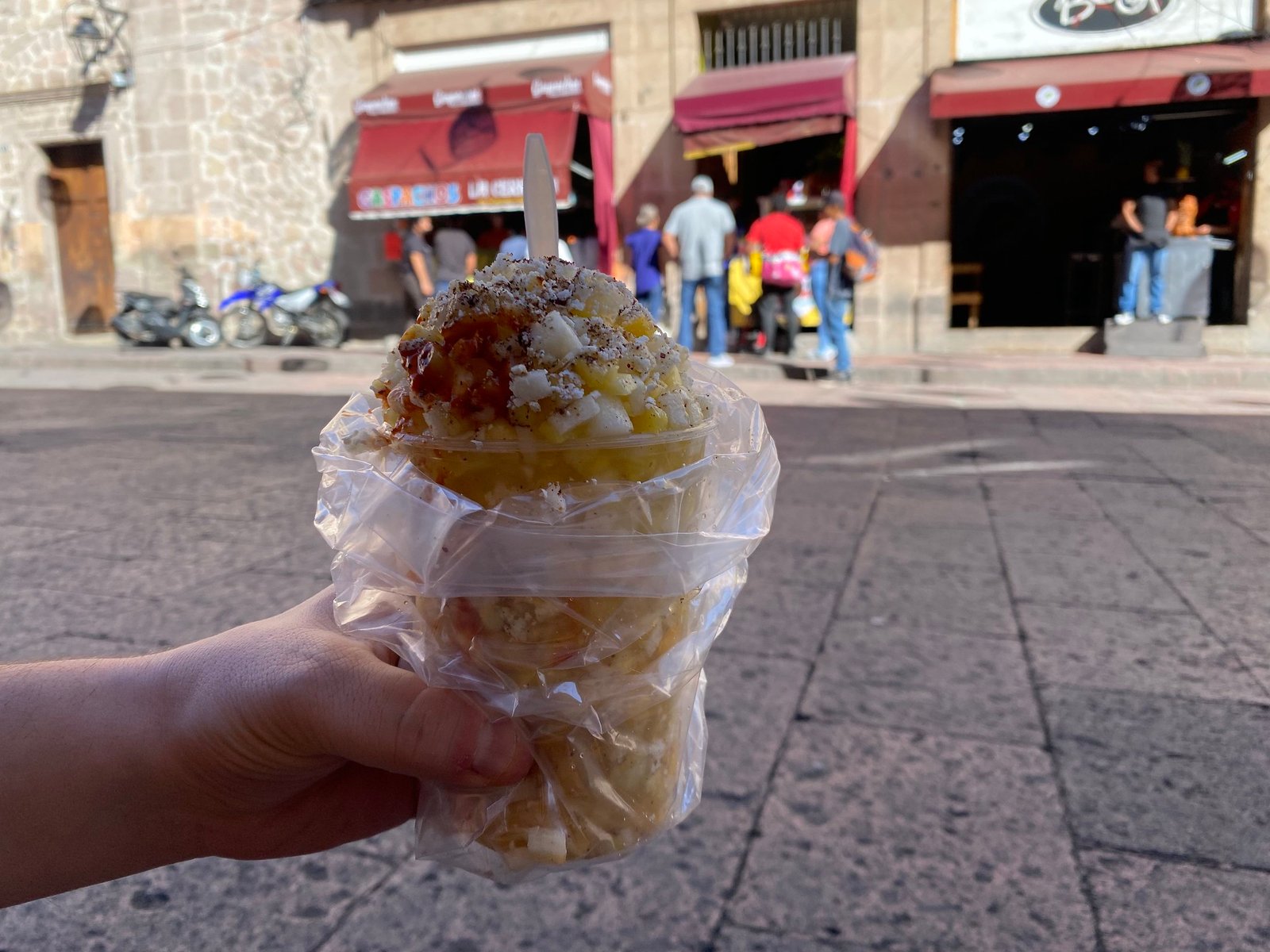
With its striking colonial architecture, Morelia—Michoacán’s largest city—looks very Spanish. Yet, if you order gazpacho here, you won’t receive a cold Spanish tomato soup. In Michoacán, gazpacho means something completely different: a tasty fruit salad served in a tall plastic cup. Interestingly, despite containing mango, pineapple, and orange, the dish wasn’t nearly as sweet as we expected. With added salt, lime, shredded cheese, onion (!), and chili, it was even a little bit savory. But the best part was that, like Spanish gazpacho, the Mexican version was just as refreshing in the middle of a hot day.
Uchepos and Corundas
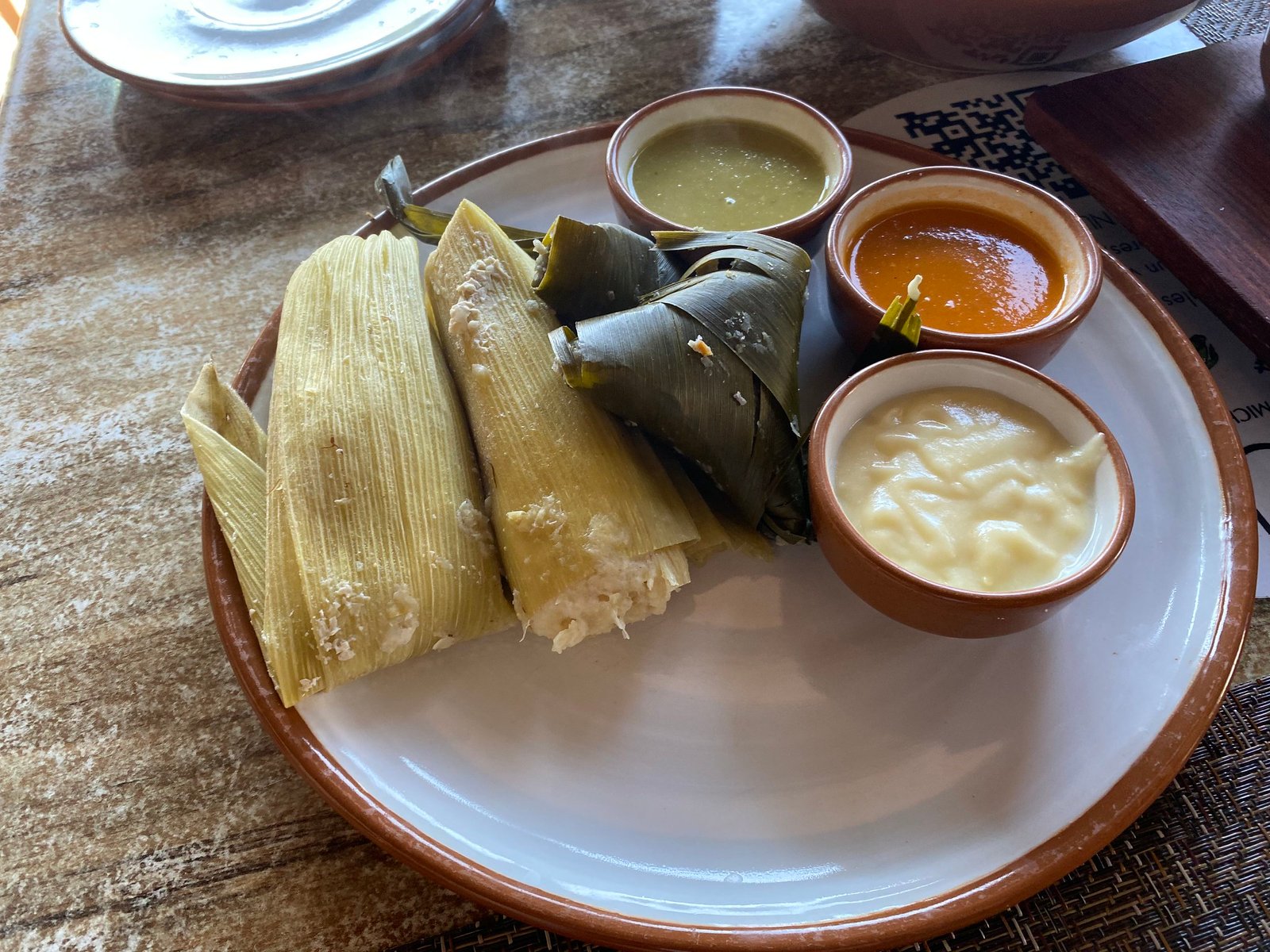
If you like a good tamale, uchepos take the tamale game to the next level. Like tamales, uchepos are wrapped in corn husks. But unlike tamales, they are made not from dried corn masa but from fresh young corn. As a result, the dish has a pleasing, sweet taste, and its texture is soft. Their cousins, triangle-shaped and wrapped in banana leaves, corundas have a denser texture and an earthy, savory flavor.
We ordered uchepos and corundas for breakfast on our first day in Morelia. Sitting in the shade of imposing colonial buildings, we generously topped them with crema and green and red salsa and chased them with cinnamon-flavored café de olla. Yum! When we returned to Chicago, we desperately searched for uchepos and corundas in Mexican restaurants, only to find none. If someone knows a good place, please let us know.
Tarascan soup
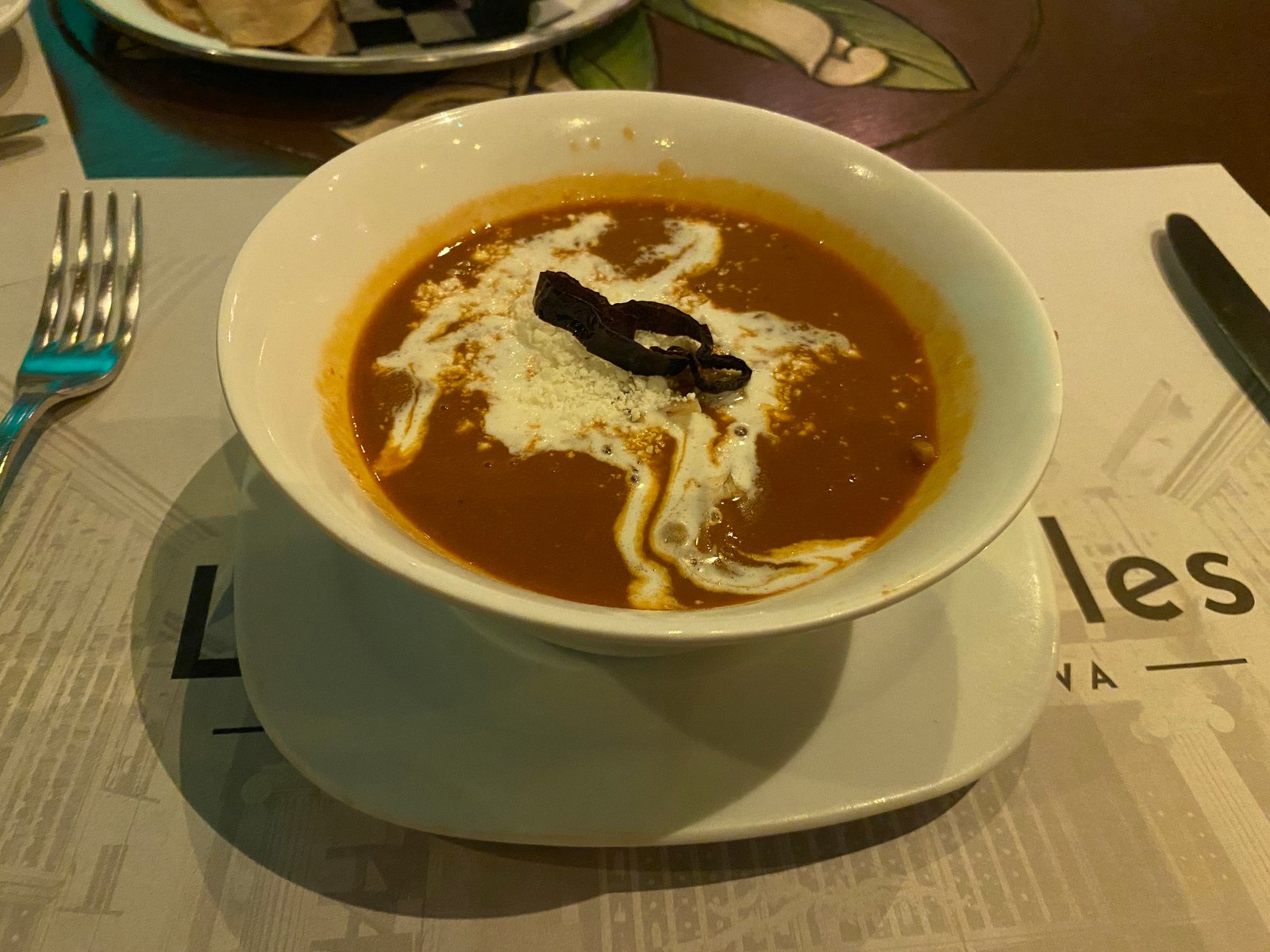
In Morelia’s history museum, we learned about the Purépecha indigenous people who historically populated Michoacán and the surrounding areas. They were also known as Tarascans. So, when we saw Tarascan soup on the menu in a restaurant, we knew this was a dish with history. The soup was rich and creamy and made from local ingredients: pureed pinto beans, roasted tomatoes, and dried chiles. The soup that was delivered to our table was topped with fried tortilla strips, crema, and avocado. Silky and smooth in texture and with tomato as the main ingredient, Tarascan soup was closer to Spanish gazpacho than Morelian gazpacho.
Charales Fritos
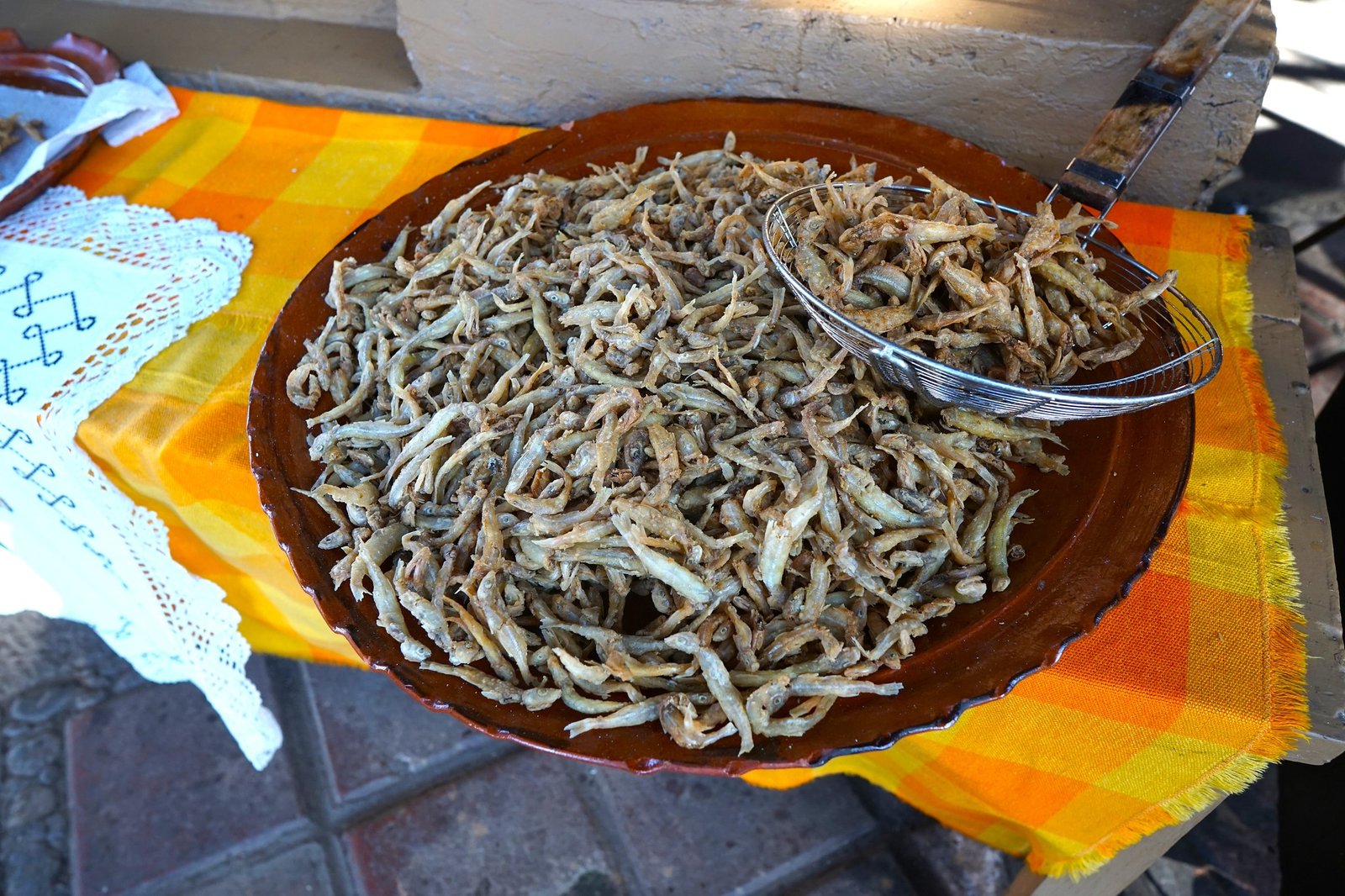
The word “Michoacán” in Nahuatl means a “place of the fishermen”. The name most likely refers to Lake Pátzcuaro—a large lake in Michoacán and home to many fish. Gliding through the lake’s calm waters in the evening, we didn’t get to see the iconic butterfly-net fishermen. It was late in the day, and only grey herons hunted for fish at that hour. But we did try fruits of the fishermen’s labor. Right by the pier, local women operated giant woks frying charales—tiny fish that look a little bit like anchovies. Sprinkled with lime juice, the fish was served in a plastic cup and was crunchy and smoky, a perfect late-night snack.
Avocados
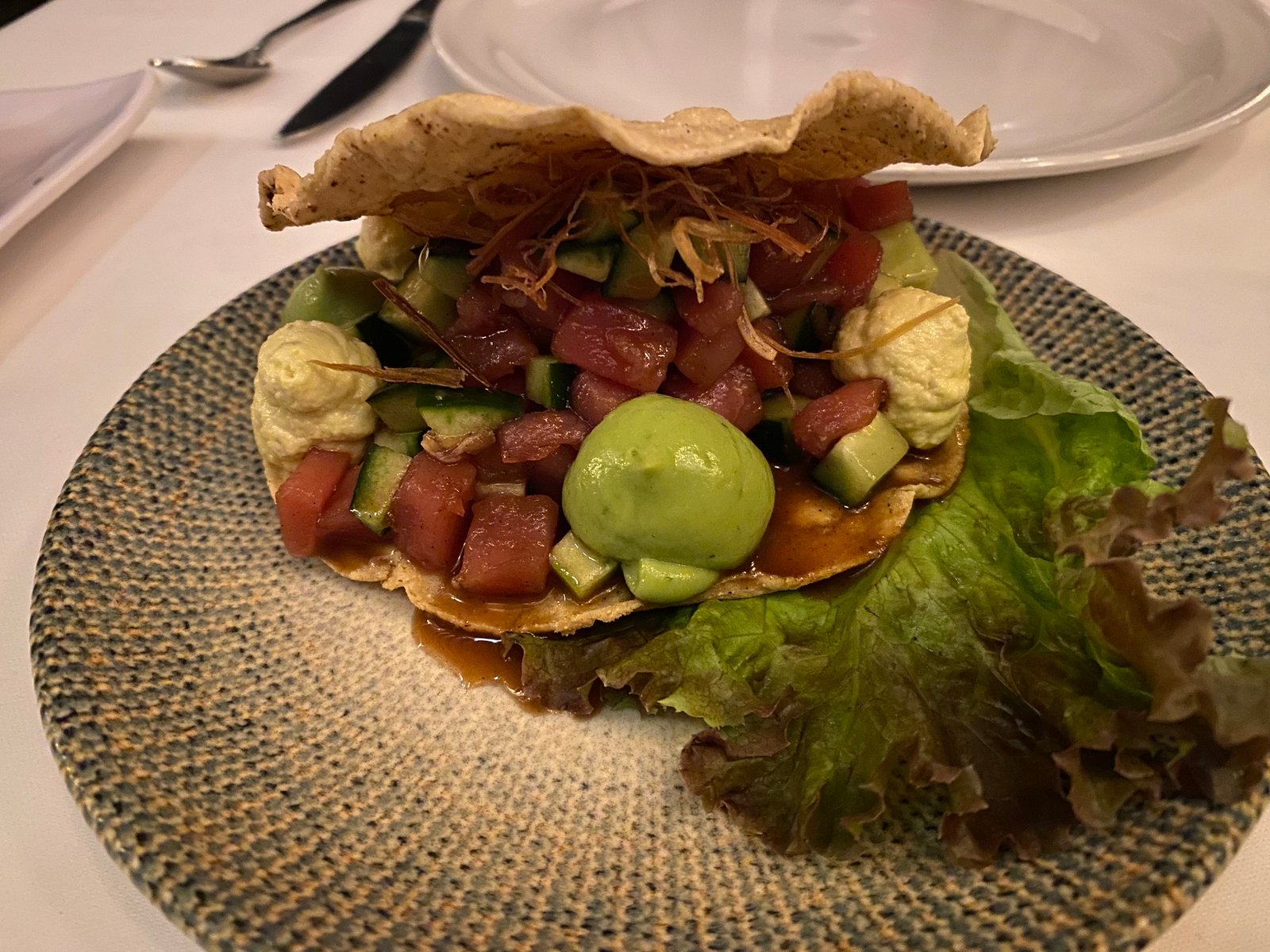
If you enjoy a good avocado in the US, the chances are it came from Michoacán. About one-third of the global avocado output comes from Mexico, and Michoacán is a leading producer. With its rich volcanic soil, the state provides ideal conditions for avocado orchards. Although we didn’t have enough time to visit Uruapan—the avocado capital of the world—nearly all restaurants in Morelia and Pátzcuaro offered delicious guacamole and other dishes made from avocado (avocado toasts, avocado salads, etc.). Like quinoa in Peru, avocados have an almost iconic status in Michoacán. And so, in addition to regular dishes, you can also find a wide variety of unusual choices: avocado-flavored ice cream, avocado beer, and avocado milkshake.
When it comes to food, your plate in Michoacán is always full, both literally and figuratively. We didn’t get our hands on every dish that “the soul of Mexico” had to offer. We’ll be back hopefully soon.