I don’t often travel without Victor, but when I do, it’s to an incredibly beautiful destination with gorgeous nature and exotic animals and birds. That’s just how I roll. Earlier this year, I went on a girls-only trip to Costa Rica and came back endlessly rambling about sloths, monkeys, birds, frogs, and spiders. Now that we’ve finished writing all of the Uzbekistan posts, it’s time to bring all of you into the fold. Welcome to my newest obsession: the animals of Costa Rica.
We were strolling through Manuel Antonio Park on a guided walking tour when one of my friends pointed up at a tree and gasped, “Sloth!”
“Is it smiling at you?” asked the guide.
I turned quizzically to see if the guide was making a joke, when my friend excitedly called out, “Yes!”
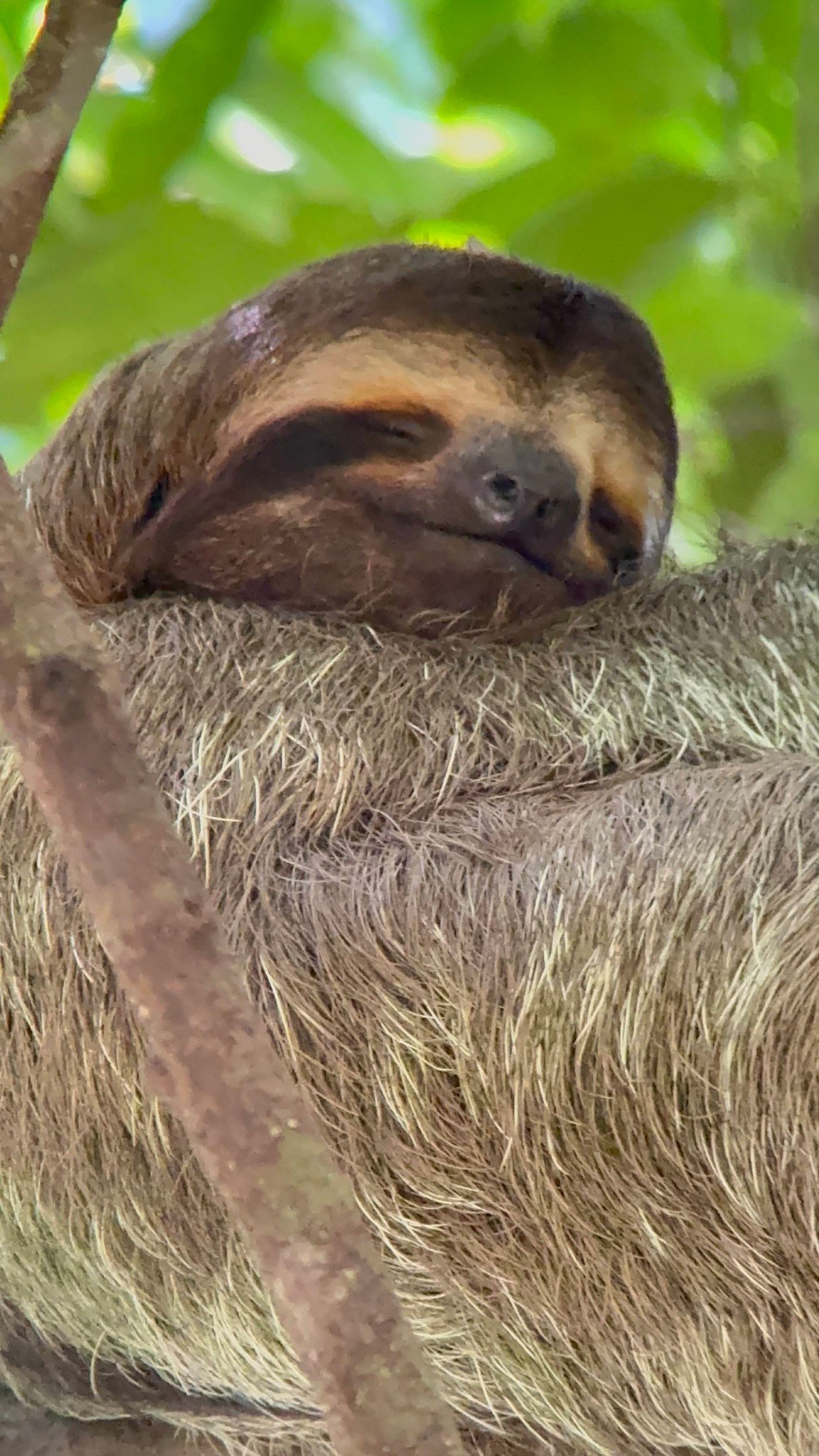
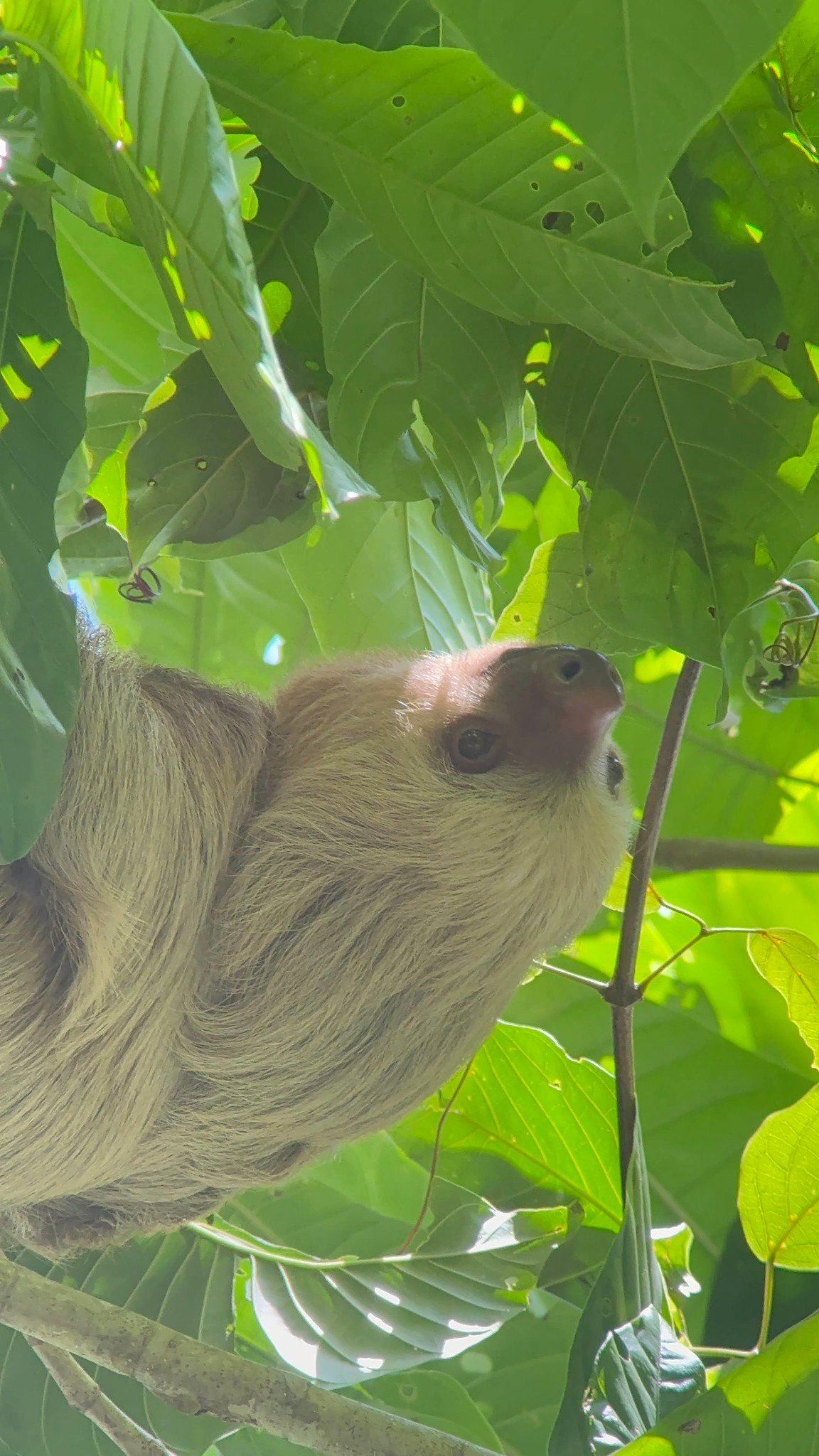
“Well then, it’s a three-toed sloth! We also have two-toed sloths around here, but they don’t smile.”
“Are they upset over missing a toe?” I asked, but no one laughed, as everybody was too busy trying to spot the sloth among the tree branches.
Apparently, the brown-throated three-toed sloth and Hoffmann’s two-toed sloth aren't even the same species. They look similar enough, but are actually very distant cousins on the evolutionary tree. The three-toed sloth has a round face and a permanently smiling expression, with three long, curved claws on each front foot. The two-toed sloth is usually larger and shaggier, with a pig-like nose and two claws on each front foot. It was the first time I had seen both in the wild, and even better, one of the sloths we spotted was holding a baby! I must have spent half an hour just standing there, trying to catch a glimpse of the baby's cute little smiling face.
Another sloth we spotted later was on the move, crawling down a branch and then back up the tree. It was moving a lot faster than I had imagined. It was probably trying to get away from all the tourists surrounding the tree and going, “Whoooooa! Look how fast that sloth is!”
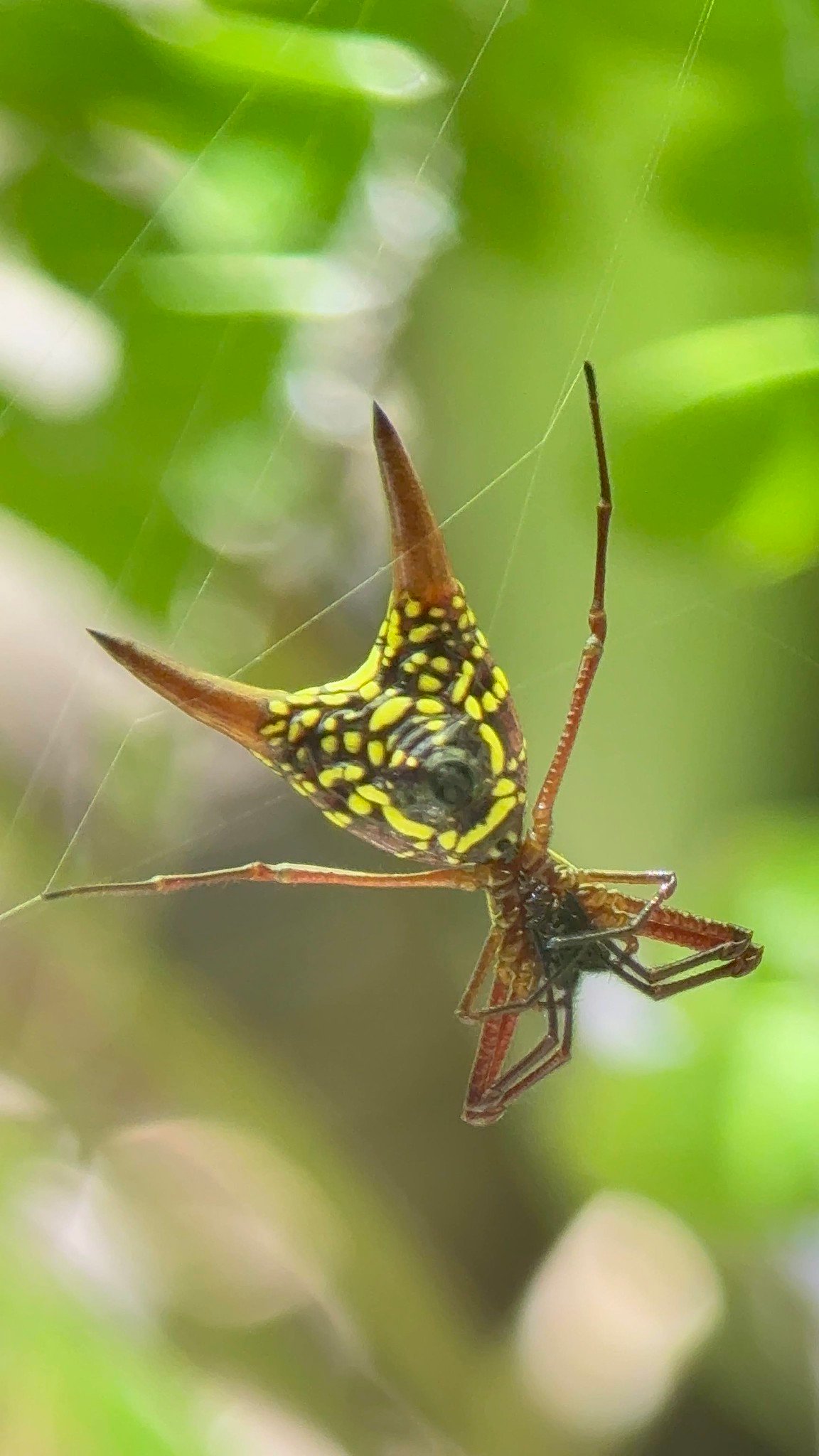
Another favorite find in this park was a large, colorful spider with what looked like two enormous horns protruding from its body. Micrathena sexspinosa is a species of spiny orb-weaver spider that always looks ready for Halloween. Despite its intimidating appearance, it isn't dangerous to humans and just looks scary to discourage predators.
This may be weird, but I love spiders. True story: I wasn't allowed to have pets as a child, so when I discovered that one of the rarely opened kitchen cabinets had a small spider living in it, I named it and decided it was my secret pet. I would wait until all the adults were out of the kitchen, then pull up a chair, open the cabinet, and talk to my spider. This wasn't meant to be a sad story, but here we are. So, it's no surprise that this stunning, arrow-shaped spider very briefly became my new best friend.
Since we're on the topic of insects, even ants are surprising in Costa Rica. We saw them all over the place, little trails of red ants here and there, usually around a tree. What I couldn't initially make sense of were the little pieces of leaves they were all carrying. I figured they were taking food back to the colony, but I was wrong. These were leafcutter ants, and they are farmers! They don't eat the leaves. They chew them up into pulp, use them to grow fungus, and then eat the fungus! How cool is that?
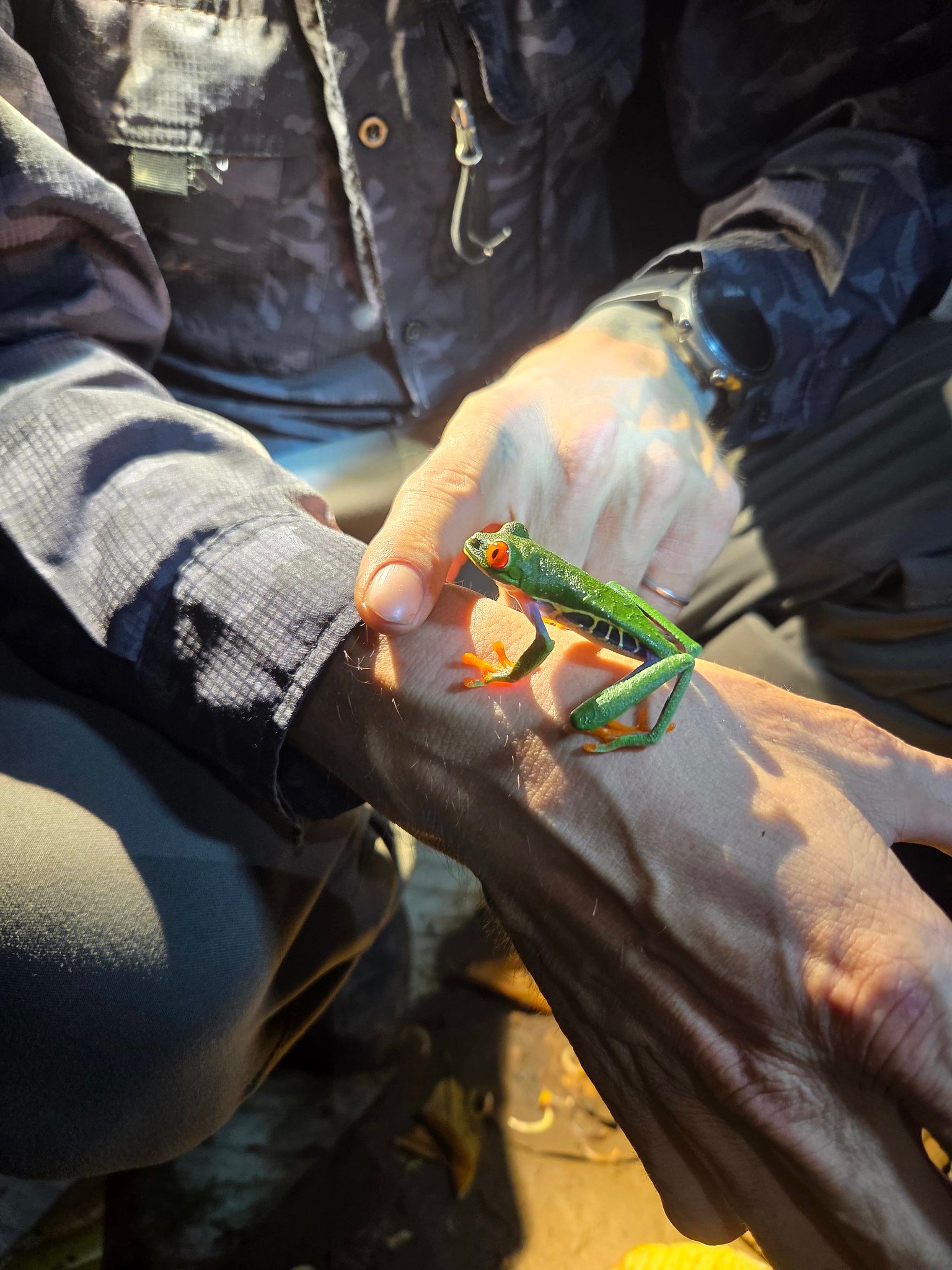
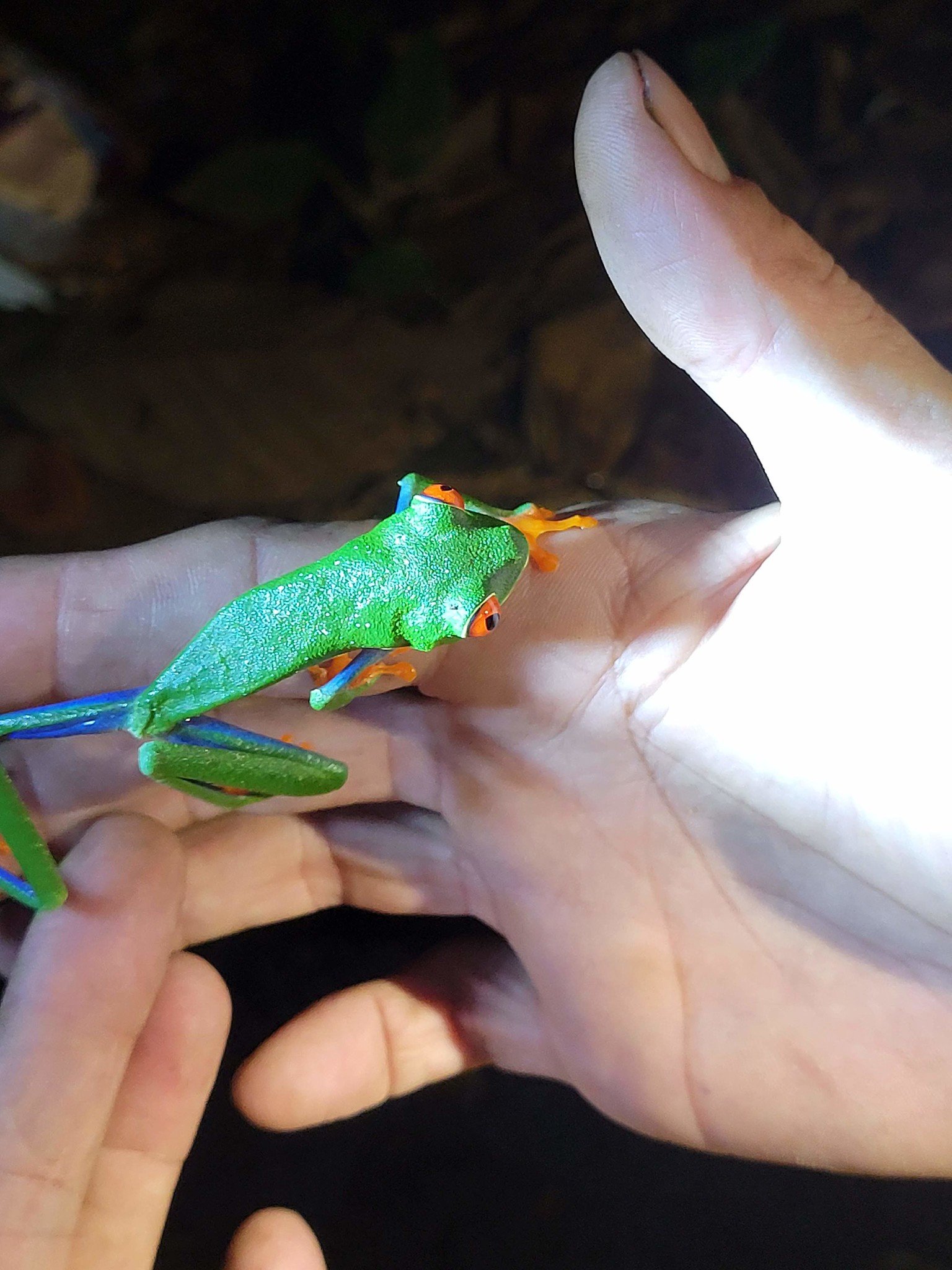
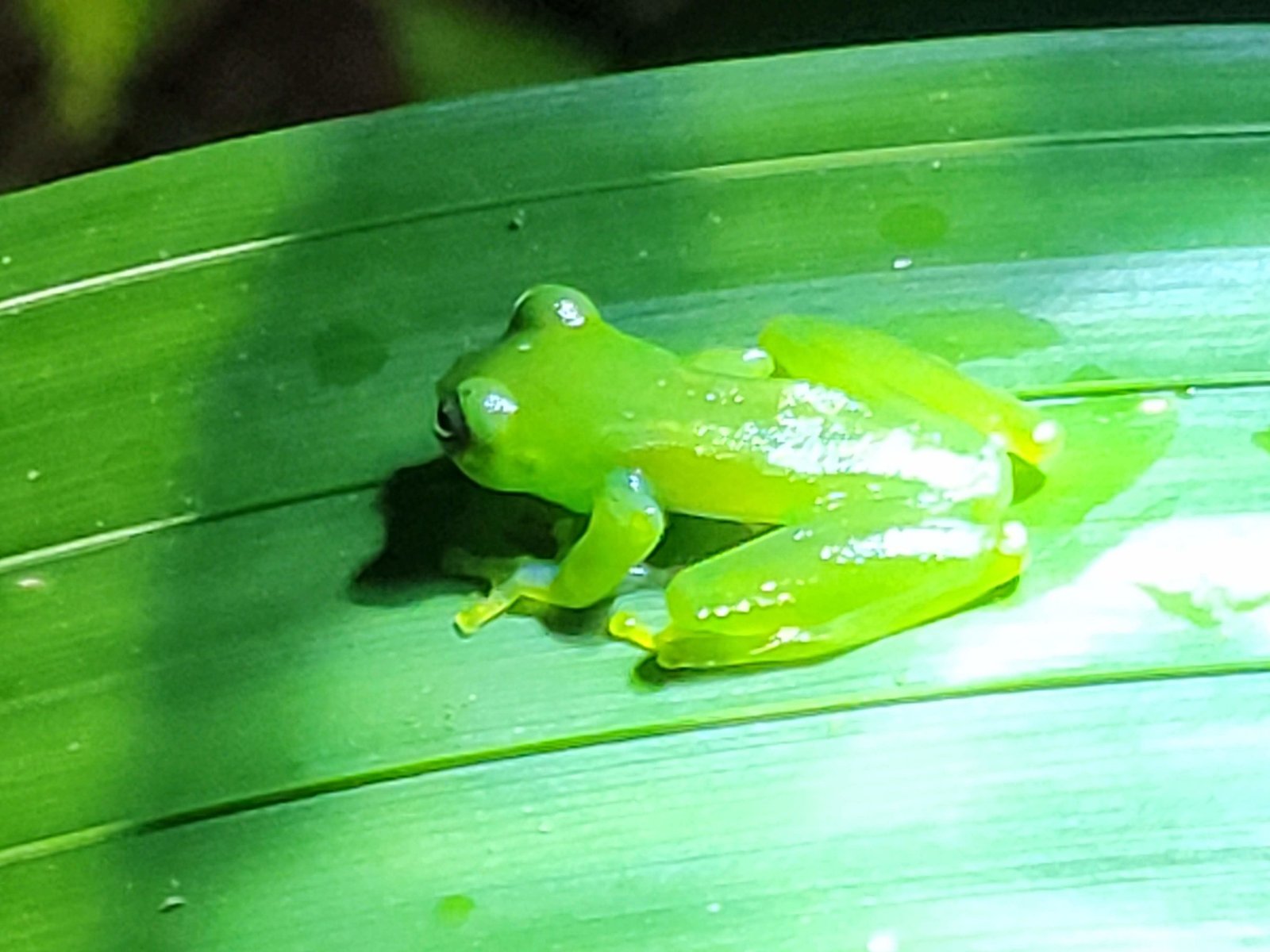
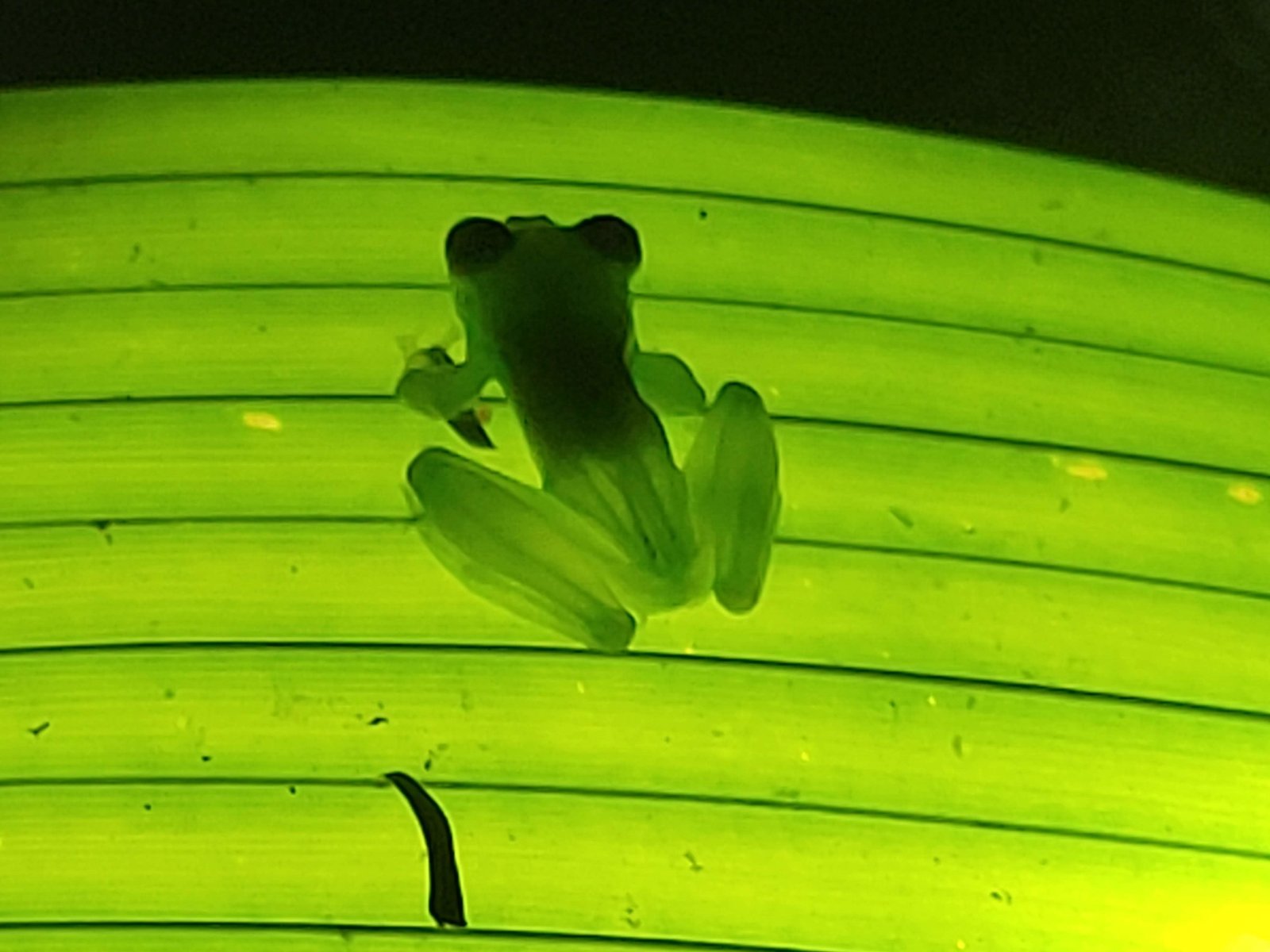
But there's nothing cooler in Costa Rica than the frogs. I first spotted a brilliant green frog with thin blue legs and huge red eyes as a souvenir trinket in the tourist shops. I figured it was a brightly painted trinket that barely resembled the real animal. At the La Fortuna night tour, I finally saw the real red-eyed tree frog and was stunned. I have never seen a prettier or more dangerous-looking frog in my life. But despite its markings, it's not actually poisonous or venomous. It relies on startling predators with its brightly colored eyes and feet. Another awesome frog I (barely) saw was tiny, green, and see-through. As the guide shone his flashlight on the leaf, I could see right through the little frog's body, its pulsing organs and veins. It was a bit of a surreal experience that left me appreciative of the fact that not many other common animals are walking around fully transparent.
Strangely enough, my favorite animal in Costa Rica turned out to be a monkey. At Manuel Antonio National Park, we got swamped by a troop of screaming, jumping capuchin monkeys, climbing all over the entrance gates and trying to swipe food from distracted tourists.
“The white-faced mafia!” our guide said. “They are the reason you cannot bring any food or drink into the park.” He pointed at the lockers by the entrance and a few disgruntled tourists loading their packed lunches and snacks into them. The security guards went through all of our backpacks to make sure we weren't smuggling anything in. In the afternoon, we ended up having to buy food on-site and eat it inside a giant cage, with monkeys looking in as if we were the ones on display at a zoo.
We have seen plenty of monkeys before on our travels, enough that we've previously written about their mischievous ways. Initially, it looked like I would have nothing else to add to that old post, as the monkeys in Costa Rica weren't all that different from those in Thailand, Cambodia, and India. Until one monkey changed that.
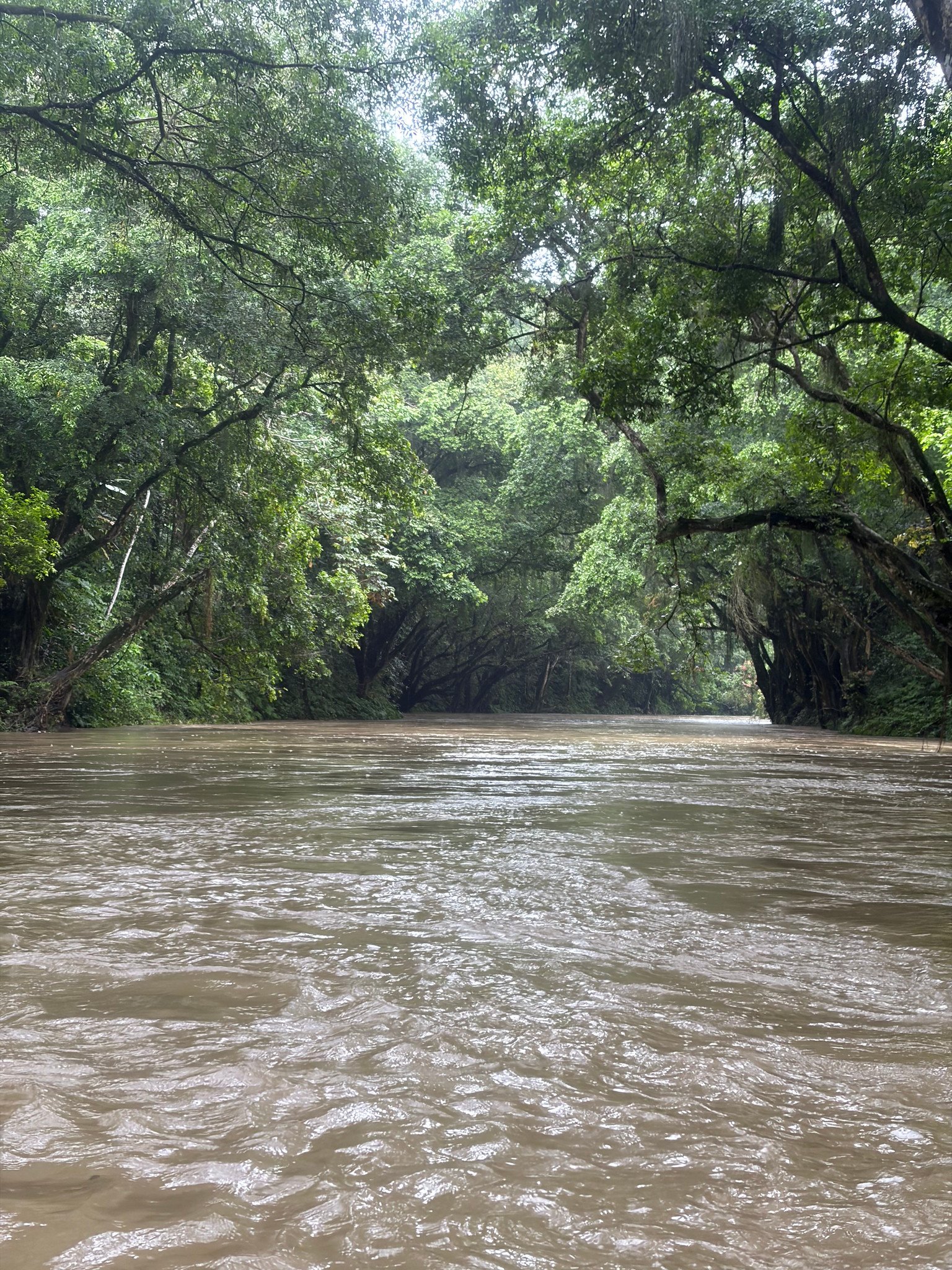
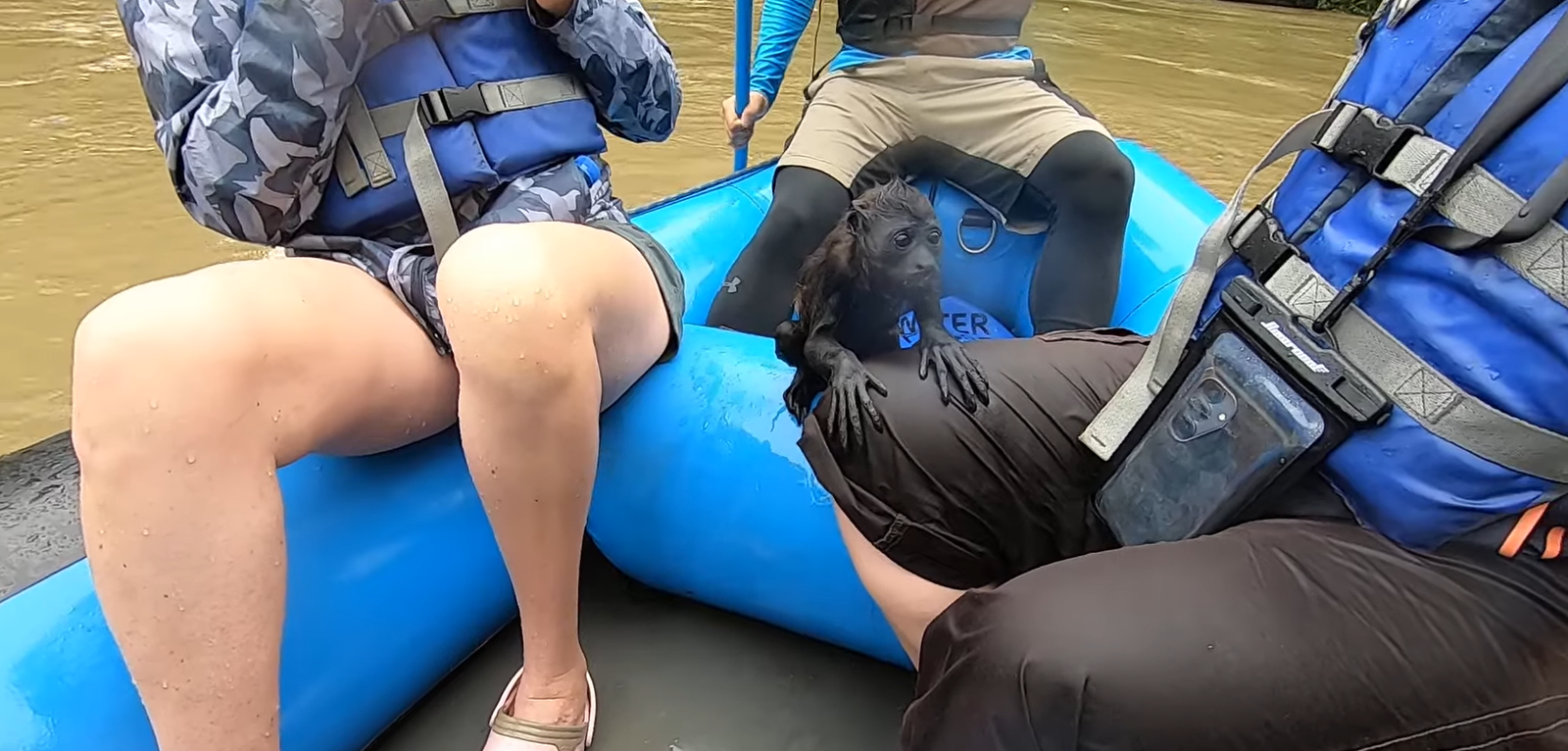
We were in a kayak, floating down the Peñas Blancas River, listening to howler monkeys screaming in the trees on both sides of the river. Suddenly, our guide pointed at something in the water. We strained to see. Was it a crocodile, a turtle, maybe a river otter? As we got closer, it became apparent that it was a monkey, struggling to swim against the current.
“It looks to be a young teenager,” our guide said. “Probably fell in the water while trying to swing from tree to tree. Let's see if it makes it to the riverbank on its own.”
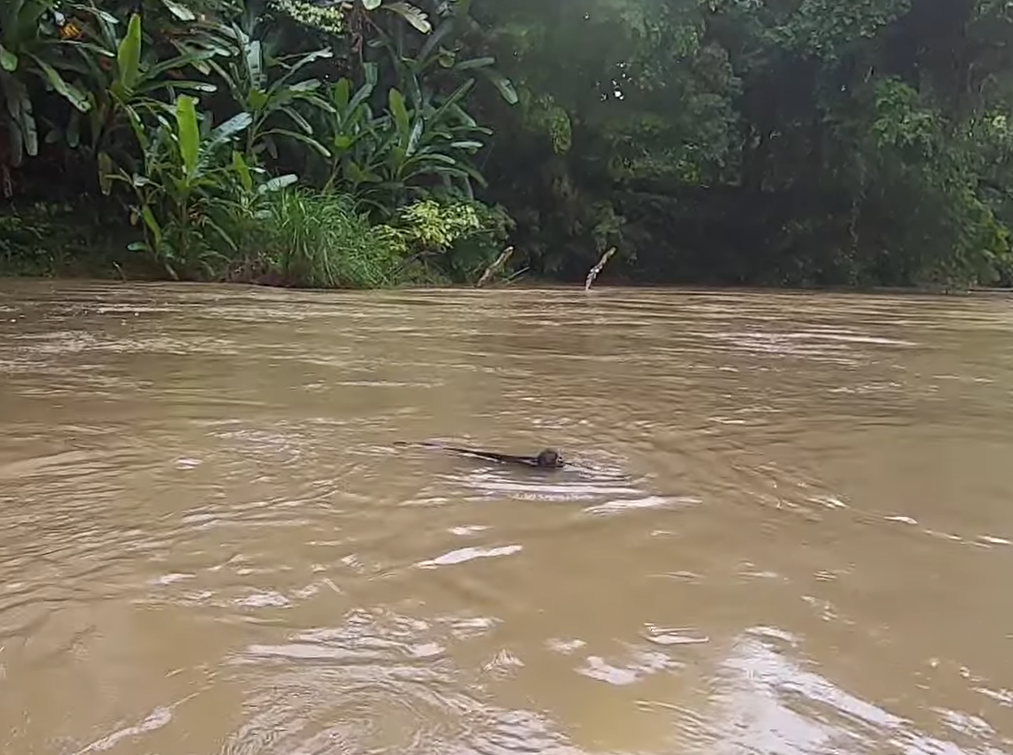
It wasn't looking good. The monkey was clearly disoriented and distressed, being pulled further and further away from land. Our guide sprang into action.
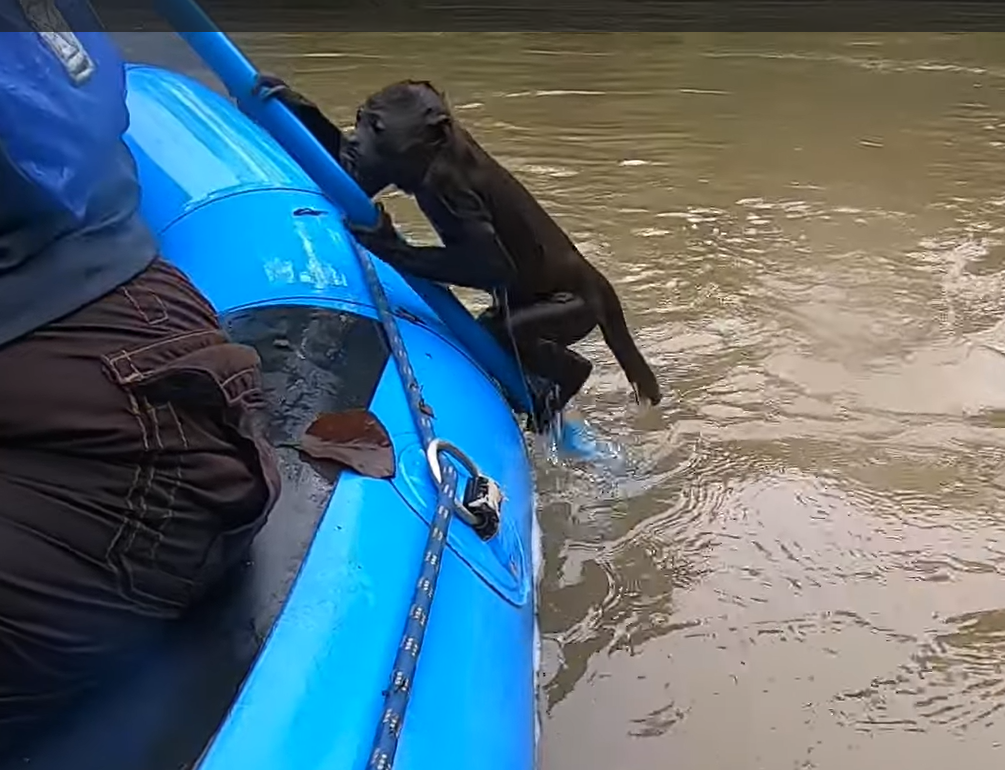
“Row!” he commanded, and we plunged our oars into the water, paddling with all our might. As we approached, our guide held out his oar over the water, and the monkey grabbed onto it and slowly climbed out of the water. It was wet and shaking, its large eyes staring at us, trying to determine whether we meant it any harm.
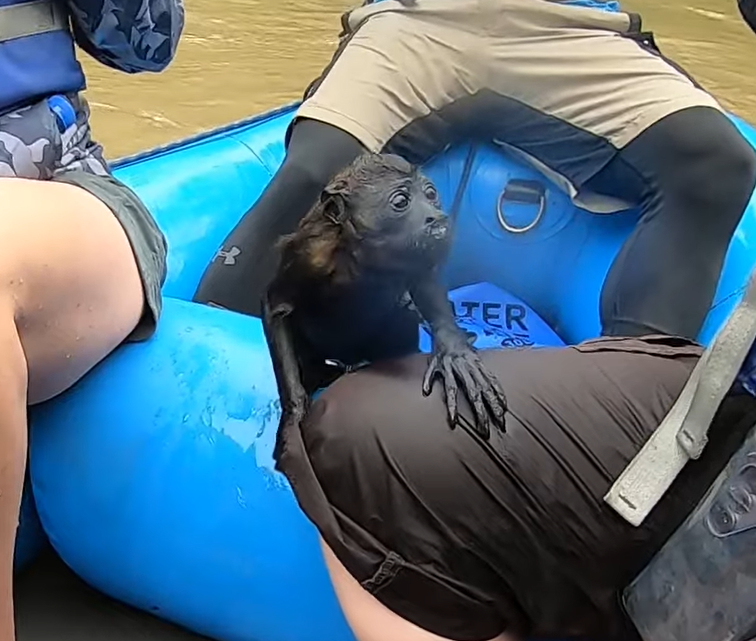
“Remain calm and do not touch it,” our guide said as the monkey made it into the boat and tentatively sat on the deck. Slowly, the monkey started moving and climbed directly into one of my friend's laps.
“It's touching me! I am not touching it!” My friend threw her hands up to show that she was, in fact, complying with the guide's instructions. Carefully, the monkey climbed off her lap, over another friend's leg, then down the edge of the boat, behind me, and toward the stern. It was clear that it wanted off the boat as soon as possible. We rowed toward the land, and as soon as branches appeared over the water, the monkey started reaching for them.
“Not yet, not yet,” the guide murmured, guiding the boat closer to the bank. “We don't want you falling right back into the water.”
Soon, a large enough branch swayed close to the boat, and the monkey jumped, grabbed onto it, and climbed up into the tree. We cheered and screamed our goodbyes.
Even though I still don't know whether the monkey made it back to its family or which side of the river its troop was on, but I like to think that it found its way home safe and sound or at the very least was accepted by another troop.
Hopefully one day Victor and I can go to Costa Rica together, so I can introduce him to all of my new friends, from spiders to smiling sloths to monkeys, and maybe find a few more new favorites.