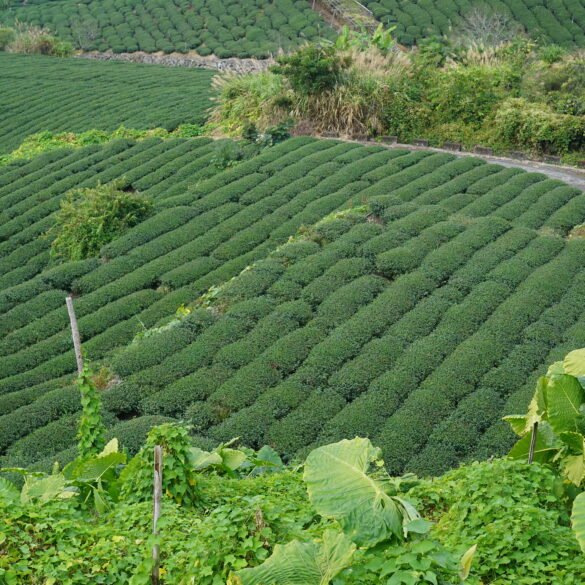

Victor loves coffee, and this blog is a clear testament to that. There are so many posts about coffee tours, coffee shops, coffee destinations, conversations about coffee over coffee, and even hiking through coffee plantations. Yet if you were to go through our kitchen, you'd find at most two bags of coffee, usually our staple "Sputnik" from a Chicago-based roastery, and something from our recent travels.
I, on the other hand, enjoy tea. That sounds casual until you open one of my kitchen cabinets to find all three shelves filled to the brim with tea canisters, tea cans, tea bags, and all kinds of tea brewing apparatuses. And despite all that, I haven't written a single post about tea, and that's going to change now. We've previously visited countries where tea grows, China and India for example, but we'd never visited a tea plantation until we got to Taiwan.
It's strange to admit, but until our tea plantation visit, I had no idea how tea is grown or what the procedure is to go from a plant to a delicious brew in my cup. In fact, I didn't know what tea was, and the worst part? I didn't even know that I didn't know that. After decades of drinking tea, I thought tea was "any leaves that make hot water drinkable."
The facts, as explained by our tea plantation host in Alishan, are as follows.
All true tea comes from the Camellia sinensis plant, and everything else is just a herbal concoction. This was a double whammy for me. First, I had no idea that all tea - white, green, oolong, black, pu-erh - comes from one plant. That made absolutely no sense. How is it possible that zingy white tea and grassy green tea and flavorful black tea all come from the same place? But even more startling, all herbal tea not actual tea? Have I been drinking hot hibiscus juice and peppermint water this whole time?
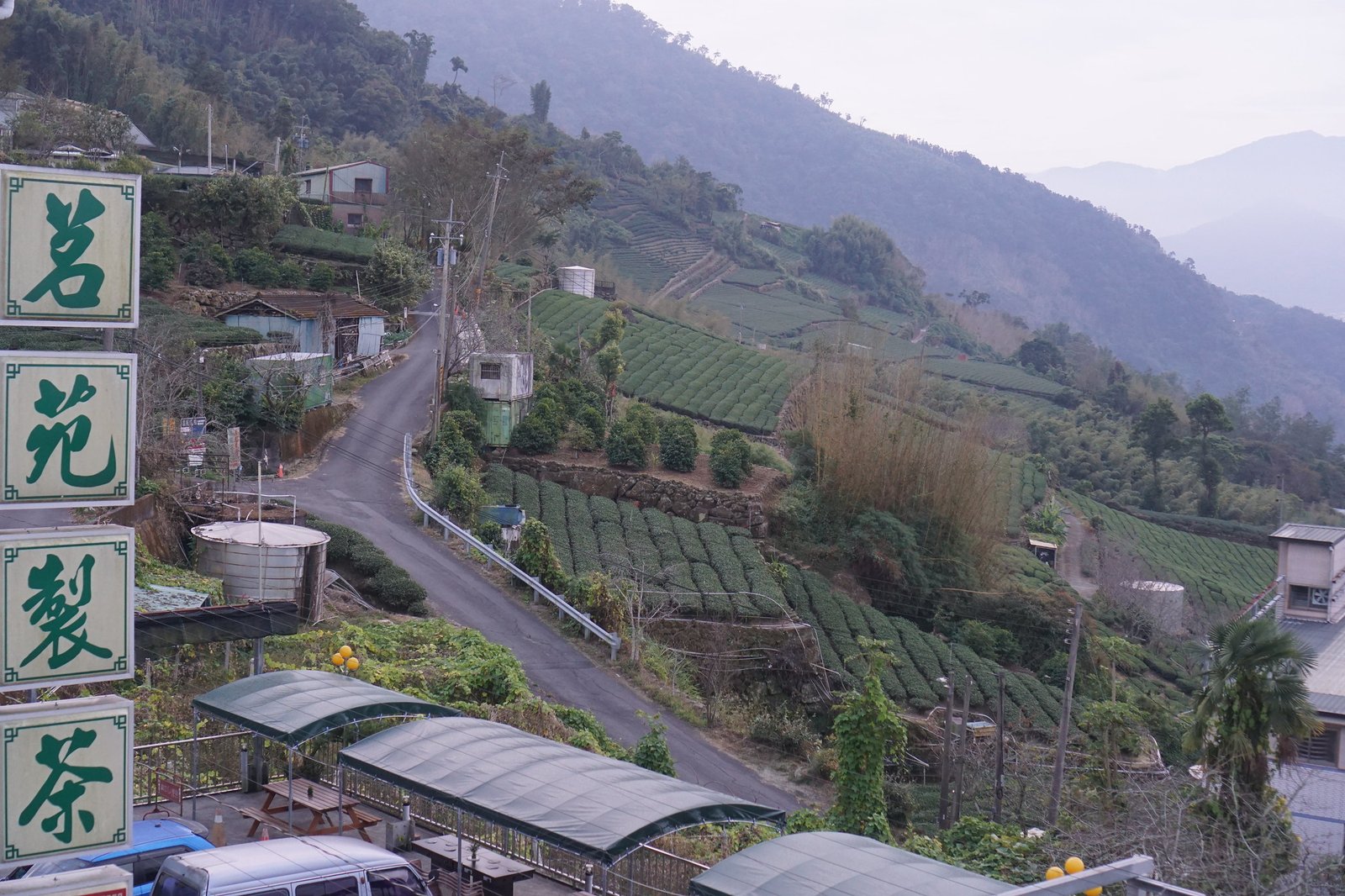
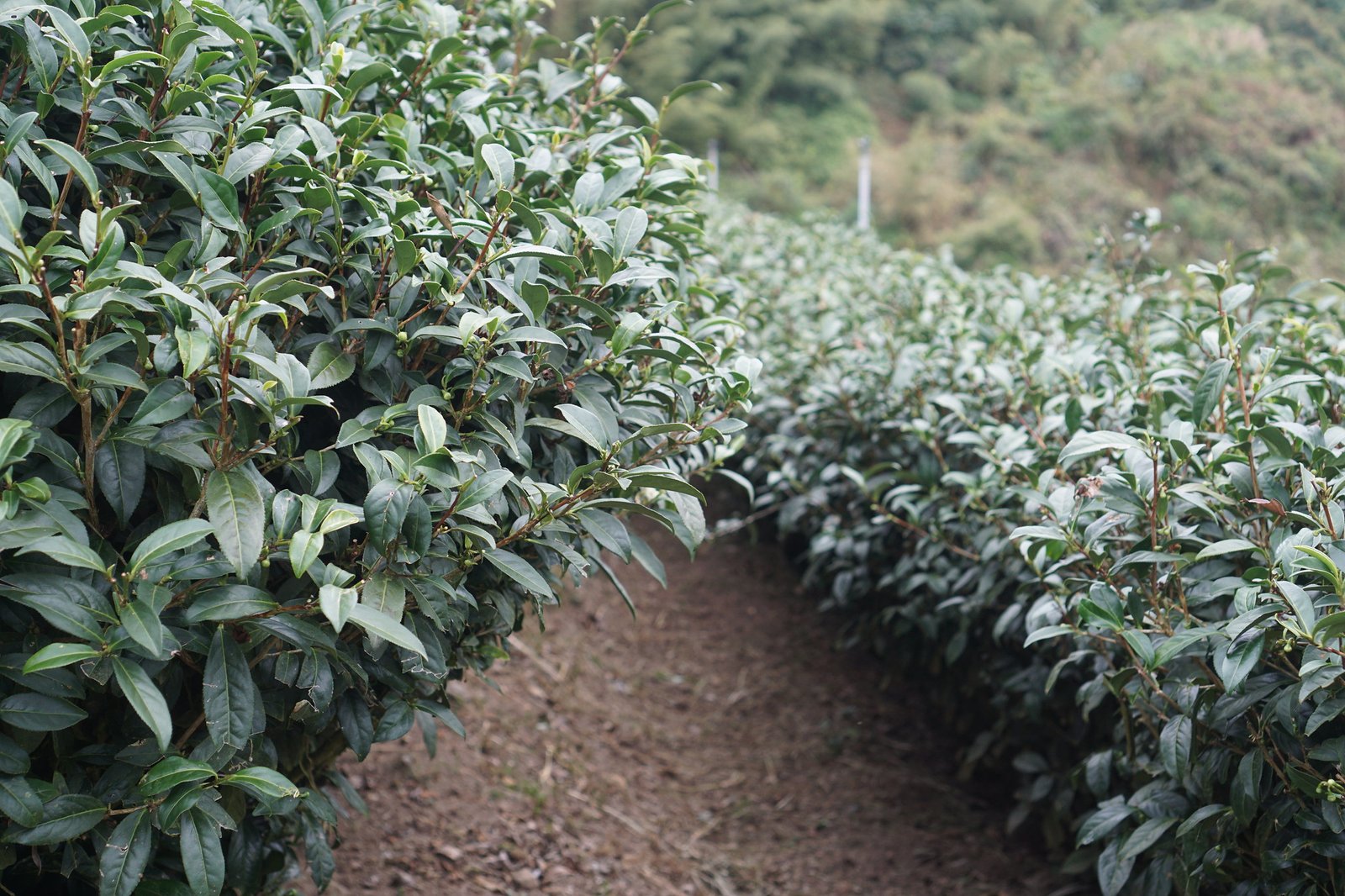
As our host prepared a tea ceremony, he began with the basics. His family has been growing tea in Alishan for over 40 years, and he explained that the region offers near-perfect conditions: high elevation, cool temperatures, mineral-rich soil, clean mountain water, and constant mist that slows growth and deepens flavor.
While the water was heating up, I asked what the actual difference between white, green, oolong, and black tea is. The answer was oxidation. White tea is barely processed, simply withered and dried. Green tea is heated right after picking to stop oxidation, preserving its fresh, grassy character. Oolong sits in between, partially oxidized, sometimes up to 80 percent. Black tea is fully oxidized, which gives it its dark color and bold flavor.
Alishan is known almost exclusively for oolong, but that still leaves plenty of variation. There are floral oolongs, milk oolongs, high-mountain varieties, and different roasting levels that change aroma, texture, and taste. Our host pulled out two teas, one floral and one milky, and set up a side-by-side tasting.
The leaves in both were tightly rolled into small, dark green pellets. He explained the process: the leaves are picked, withered in the sun, partially oxidized, then rolled into tight balls using traditional techniques. He warmed two small clay teapots with hot water, added the leaves, and poured in near-boiling water. Almost immediately, the leaves began to unfurl. Then, to my surprise, he poured out the first infusion, explaining that it was just a rinse to awaken the tea.
The second step lasted less than 30 seconds before he poured the pale golden liquid into tiny cups no bigger than shot glasses. The floral oolong had an intense aroma but a delicate, almost restrained taste. The second tea, milk oolong, had a mild grassy aroma and a much richer texture and fuller body. I could not wrap my head around the fact that this was the same plant, grown in the same place, no flavor additives, and the resulting tea was so different. The floral oolong almost smelled and tasted like jasmine and the milky oolong had an almost creamy mouthfeel. While the host talked of oxidation, roasting, and different rolling methods, all I could think was – this is magic. That was the only reasonable explanation.
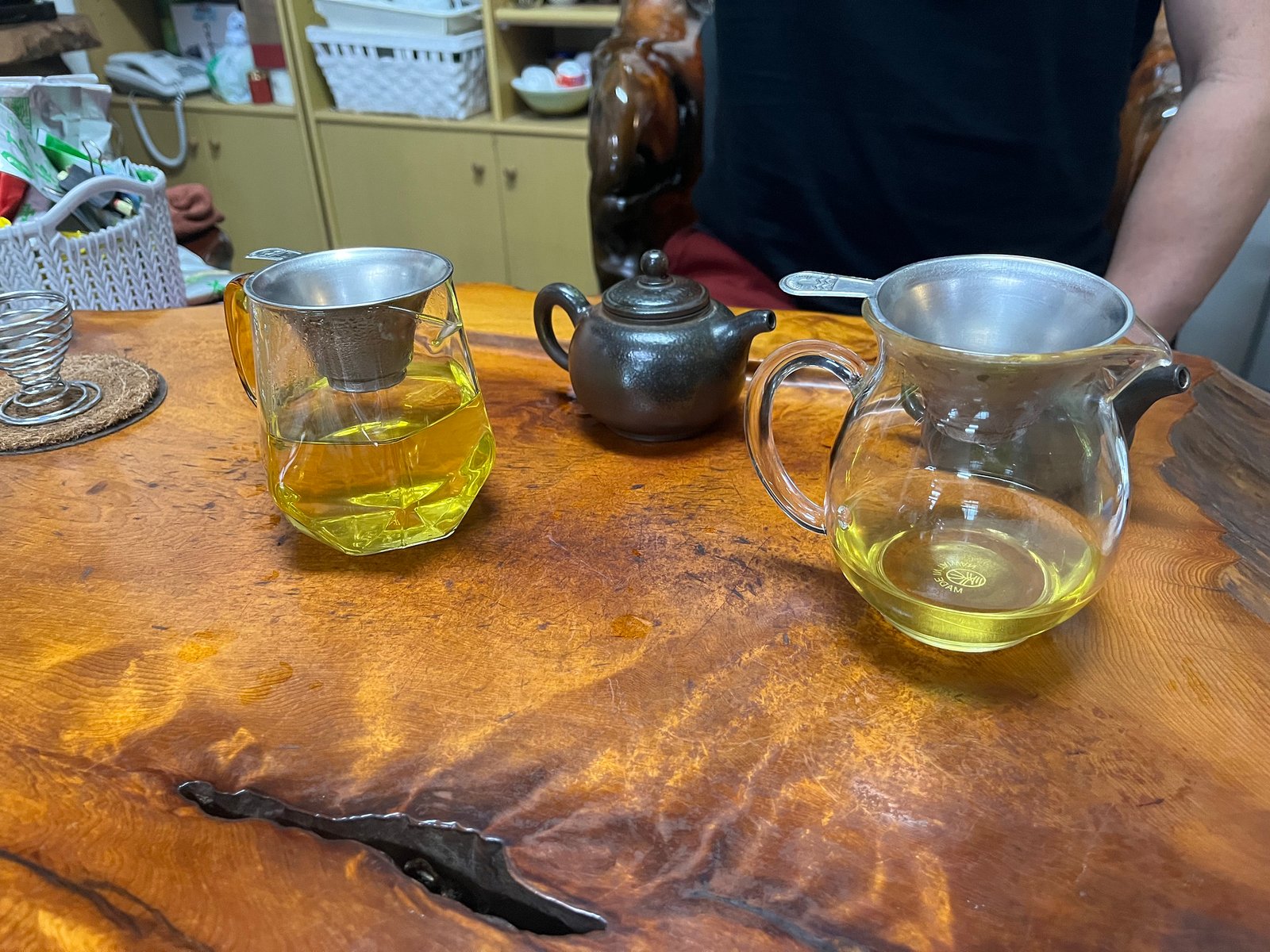
As we chatted about all things tea, our host brewed the same leaves again and again, each steeping slightly longer than the last. I, who has faked my way through many wine, tequila, rum, and coffee tastings by pretending to recognize the difference between different types of samples, was pleasantly surprised. Each cup of tea did taste different, and I was able to follow along as the tea in my cup became stronger and more flavorful around third-forth brew and then progressively milder until the end of brewing, around the eighth cup. I was so excited that I kept describing each tea brew out loud, almost like straight A student trying to show off in front of class. Neither our host nor Victor were impressed with my tea descriptions, but I certainly enjoyed myself.
Before that day, I'd assumed tea ceremonies were stiff, formal affairs. After all, this is a tradition going back a thousand years. And there were all these beautiful accessories: gorgeous little clay teapots, dark wooden tongs and scoops, a carved tea tray, delicate porcelain cups. In my mind, all of this belonged in the hands of a beautiful woman in silk robes, gracefully pouring tea while cherry blossoms swayed in the background.
Instead, a tea ceremony turned out to be a casual, friendly gathering full of chit-chatter, laughter, and even a few snacks.
“How often would you drink tea like this?” I asked our host.
“Oh, a few times a day!” he exclaimed. “Any time, really. In the mornings, certainly! Usually in the afternoon as well…”
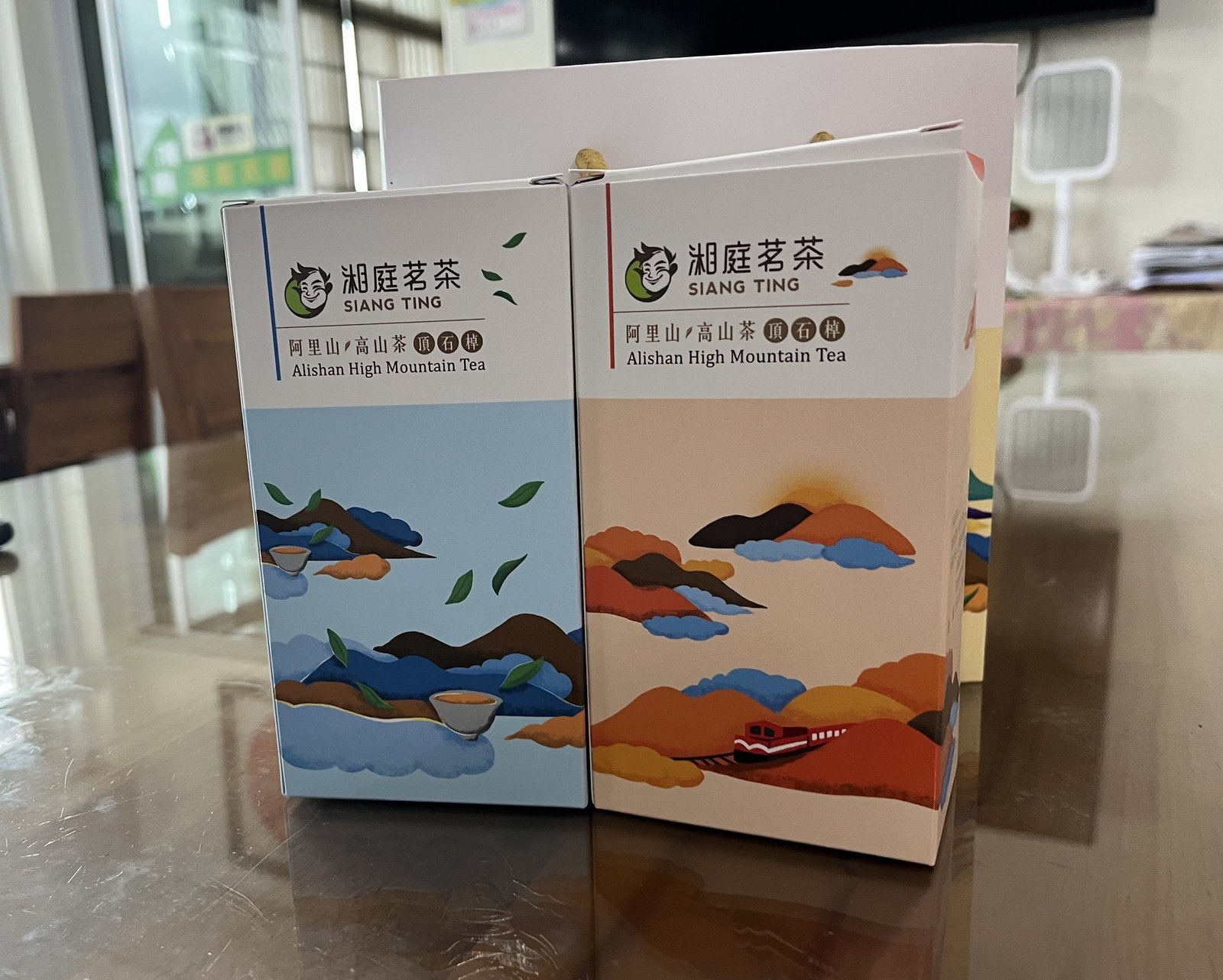
Swept up in the idea that I too can brew myself delicious oolong tea every morning and possibly afternoon, I bought two bags, one floral and one milky oolong, and a gift box of tea bags for my sister. And now came the practical questions. It was clear that there was no need for robes with long sweeping sleeves or an open window leading to a garden full of cherry blossoms. But I did still need all the brewing accessories.
Coming up soon: I can never walk past a pottery village. And this time, I buy everything.