
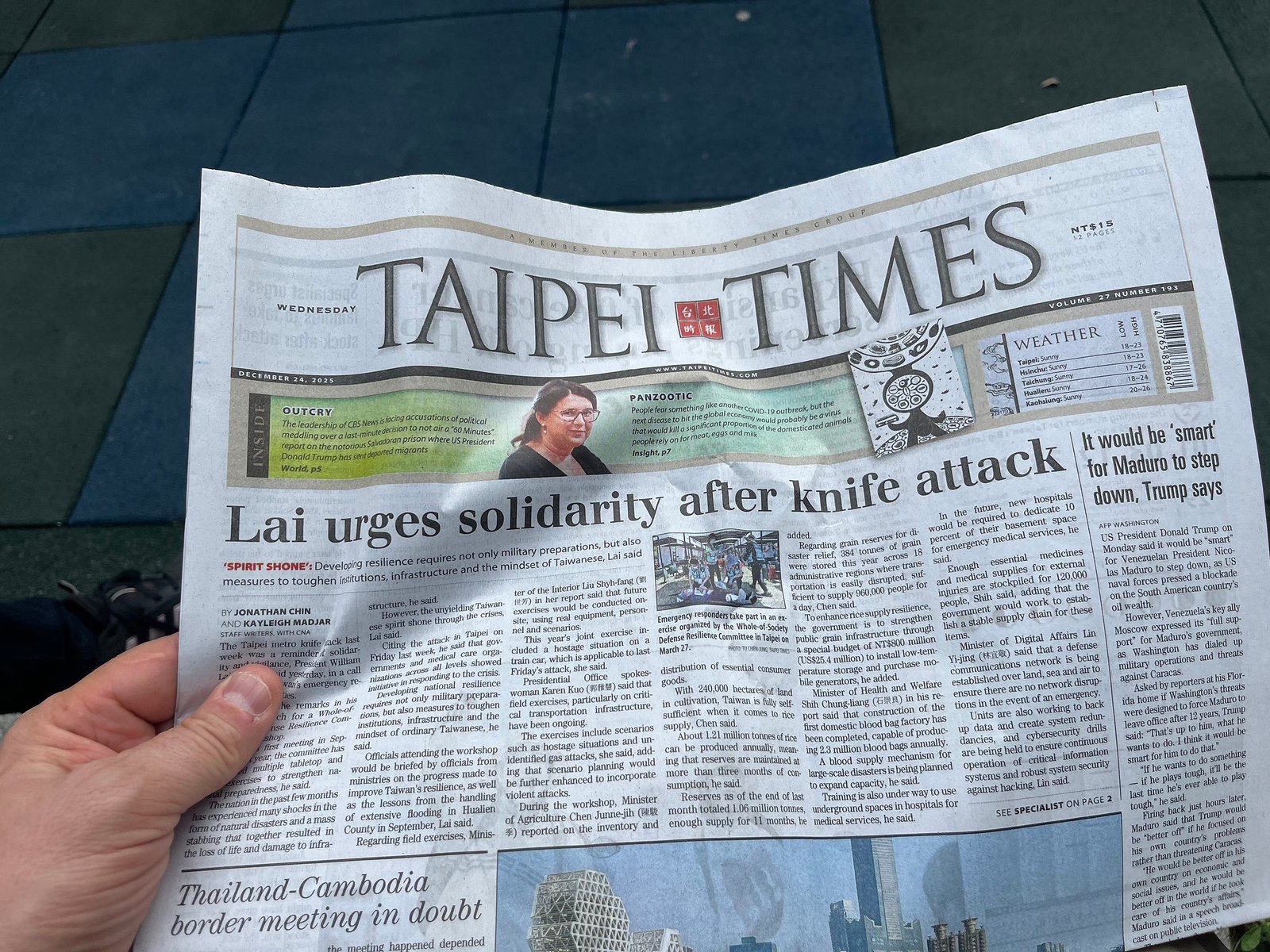
We arrived in Taipei on December 13th and left on the 18th to explore Alishan. On December 19th, 2025, a 27-year-old man threw smoke grenades and stabbed people in a Taipei metro station, killing three people and injuring eleven others. He then killed himself by jumping from a building. This would have been page six news in a Chicago newspaper and gone from the headlines within three days. In Taiwan, this was a national tragedy that dominated the news cycle for weeks, with newspapers on every corner of the island filling their front pages with grieving families, incensed politicians, and opinion pieces on how to prevent such horrific events in the future.
The nation came together in its mourning, creating memorials for the victims, increasing security at metro stations and airports, and closing markets and businesses near the attack site. Regular train safety videos in Taipei stations were replaced by anti-terrorism videos with skits showing how to use an umbrella or a backpack to keep themselves safe in case of a knife attack.
We witnessed all this as we continued our tour of the island. It was a sobering reminder that we were on vacation in the middle of other people’s lives; that while we decompressed from work, explored a new culture, tried new foods, and hiked through mountains, valleys, and tea fields, the whole time we were there, we were in someone else’s home, surrounded by their tragedies, history, and politics.
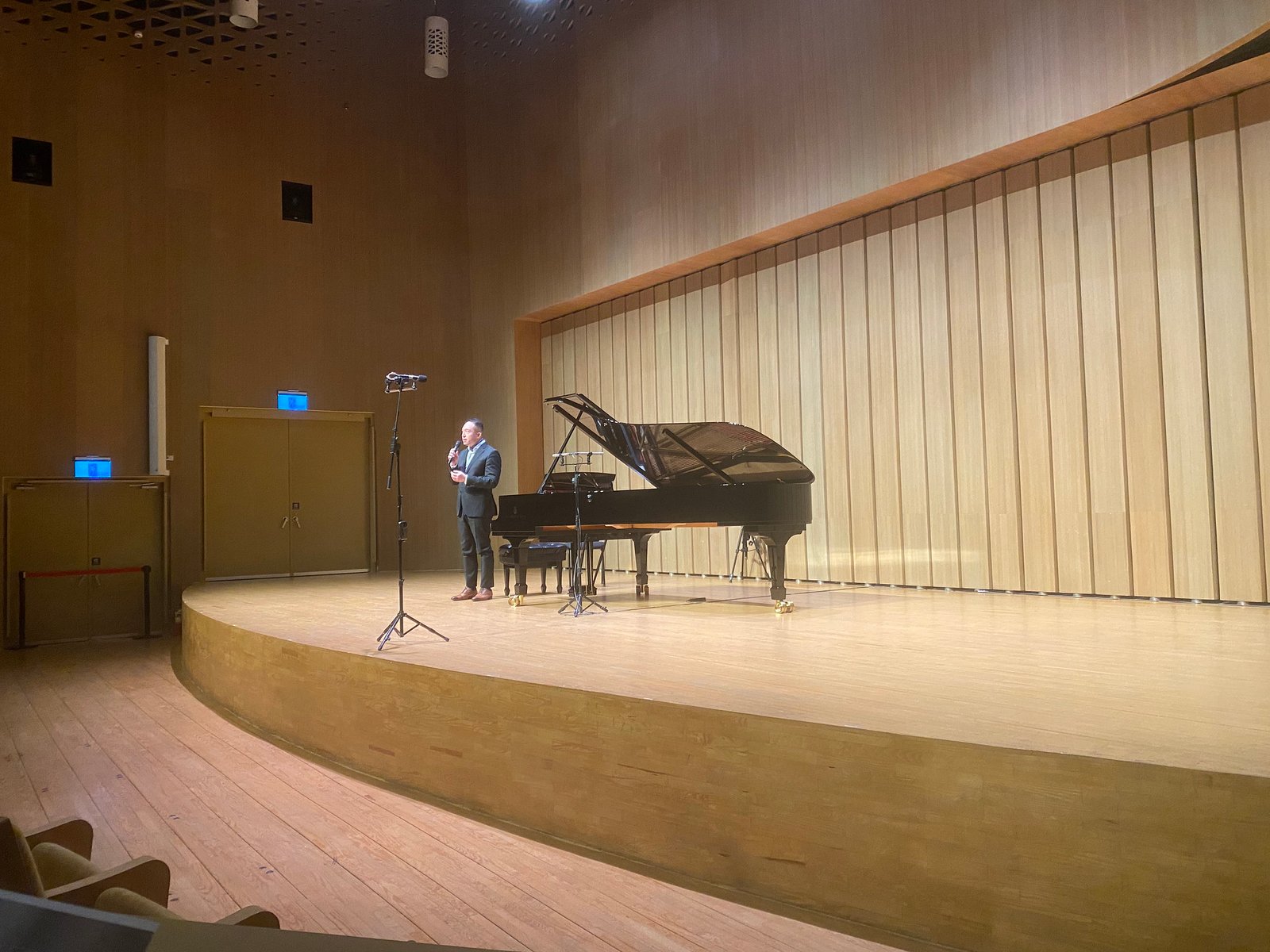
In Kaohsiung, we met a nice lady who gave us free tickets to a classical piano concert by Thomas Yu-Tung Pan, who beautifully performed pieces by Tchaikovsky, Shostakovich, and other composers. We have already described this encounter in one of the previous posts, but failed to mention a small episode. At the end of the concert, the performer got up from the piano, picked up a microphone, and began to speak to the audience. As neither of us understood even a tiny bit of Mandarin, we began to tune out. As we were sitting in the very front row, and it would have been disrespectful to leave or pull out our phones, I simply looked around the theater, lost in my own thoughts. Suddenly, I realized that the pianist was crying. His voice broke, and he wasn’t able to contain his tears. A sympathetic murmur spread through the crowd. Someone in the front row passed him a tissue. A few people in the audience were crying as well. We sat motionless, unsure what exactly was going on.
After the concert, our new friend, who had provided us with the tickets, met us in the lobby and explained that the pianist had been talking about the tragedy in Taipei. He talked about the fragility of human life, how fleeting our time in this world was, and how senseless the tragedy had been. It had been almost a week since the incident, and we were on the other side of the island, yet people around us were still shaken and deeply affected by the terrible event.
The very next day, we experienced our first earthquake, and a few days later, a much stronger second one. It seemed like Taiwan really wanted to shake things up for us. I say “for us” because literally no one else on the island seemed to notice or care about the earthquakes. Despite the scary numbers on the Richter scale, there was no damage and, therefore, barely any news about them.
Our trip was coming to an end, and one of us joked that bad things usually come in threes. So: one terrorist attack and two earthquakes. That should be it, right? Turns out, we forgot about the original reason we were concerned about this trip.
China. And China doesn’t like to be forgotten.
Right before leaving Chicago, I told my sister to send a helicopter for me in case China attacked. It was a funny joke right up until China actually threatened to attack. Upset about a major U.S. arms sale package to Taiwan, China announced that it would conduct large-scale live-fire military exercises around Taiwan on December 30th, the exact day we were scheduled to fly home.
Domestic flights in Taiwan were being canceled, travelers were becoming stranded in airports, and we were anxiously refreshing our United Airlines reservation, waiting to see whether our flight would be canceled as well. It was the day of our flight, the Chinese military drills were in full swing, and our flight was still scheduled to take off as normal. Honestly, I didn’t know whether this was good or bad news. On one hand, no one wants a canceled or delayed flight. On the other hand… who wants to fly through live-fire military exercises?
We were on the train heading to the airport with our backpacks, anxiously watching the other travelers. Were they concerned about this Chinese so-called “Justice Mission”? Were they worried that these exercises were just a pretext and that this could turn into a full-scale attack? Was Taiwan in danger?
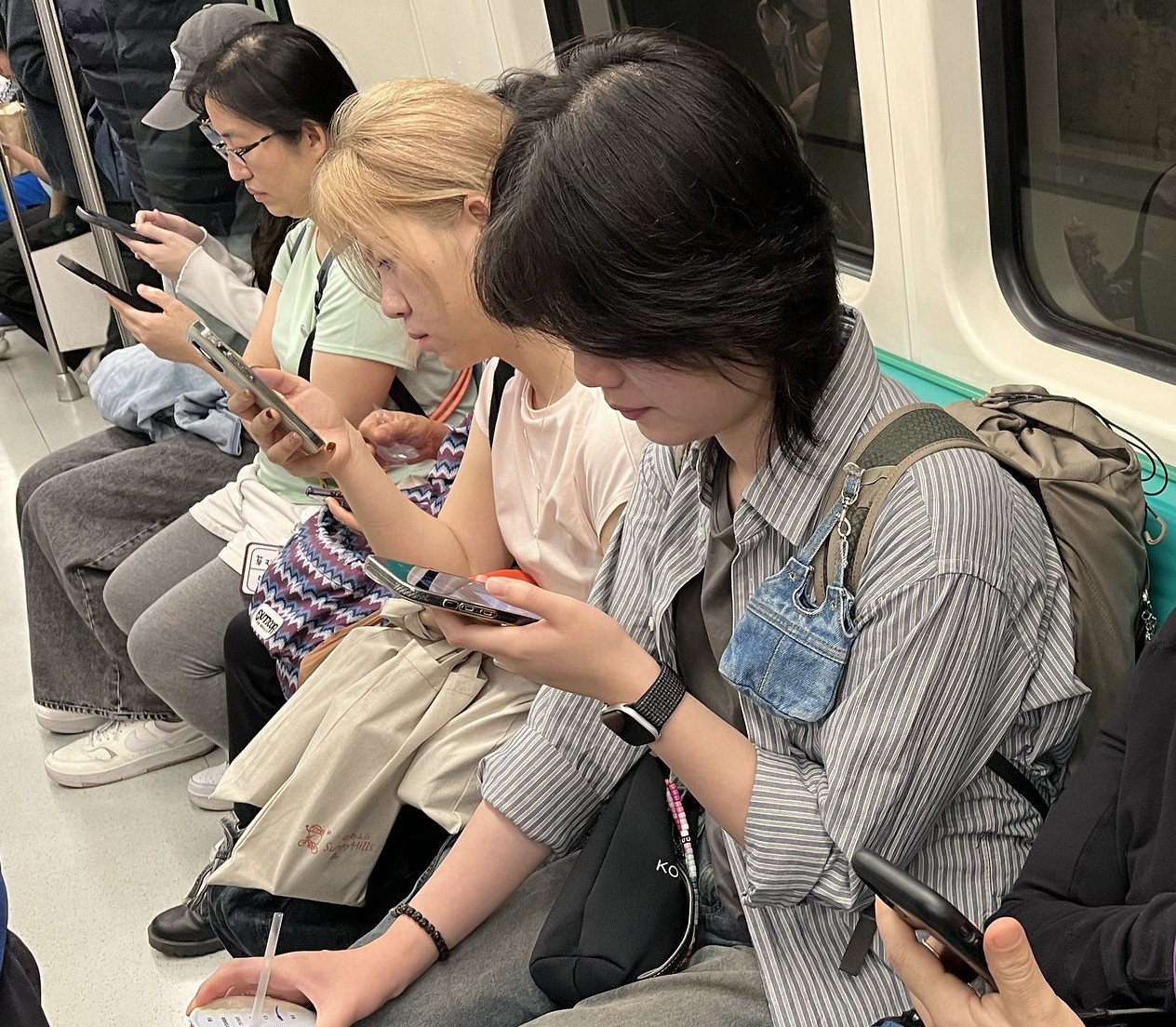
Lacking the ability to talk to the people around me, I decided to do the next best thing: peek at their phones. The girl next to me was scrolling through cat videos. Another man was reading celebrity news. A few people were playing video games. Someone was watching sports. Absolutely no one was reading headlines about the Chinese military drills, no one was checking Twitter updates, and no one seemed concerned in the slightest. Apparently, Chinese threats around here are just as common, numerous, and boring as offshore earthquakes that cause no damage. People had long since learned to tune both out.
After a slight delay, we finally boarded the plane and took off. I looked nervously out the window, but there was no sign of military planes or anything else out of the ordinary. We were leaving, safe and secure, the island’s coastline disappearing beneath the cloud cover.
Goodbye, Taiwan! We won’t soon forget a country where people shrug at earthquakes and military drills, but cry openly for strangers lost in tragedy. We might travel the whole world, but unlikely to find another place where the threat of catastrophe is so routine, and yet, every human life still matters deeply.