

We rarely drink alcohol. Julia claims that she is too much fun as is and that alcohol would be wasted on her. I like to keep my head clear and maintain a healthy lifestyle. When we are in the U.S., we don’t drink at all. But when we travel, we like to try local liquor to better understand the local culture. To date, we drank sake in the small Japanese town of Takayama, savored tequila in a Mexican town with the same name, enjoyed Belgian beer in every Belgian town we visited, sipped moonshine out of a dusty bottle with a marinated cobra in Cambodia, and survived home-made brandy in rural India.
We came to Portugal ready to sample local booze, as we heard it was a big part of the country’s culture. On our second day in Lisbon, we walked through the doors of the Institute of Port Wines, prepared to take our alcohol education to the next level. Port wine, a rich dessert wine, is probably the most well-known type of Portuguese wine. I never quite liked it due to its heavy taste. But we were in rainy Lisbon and had no plans for the evening.
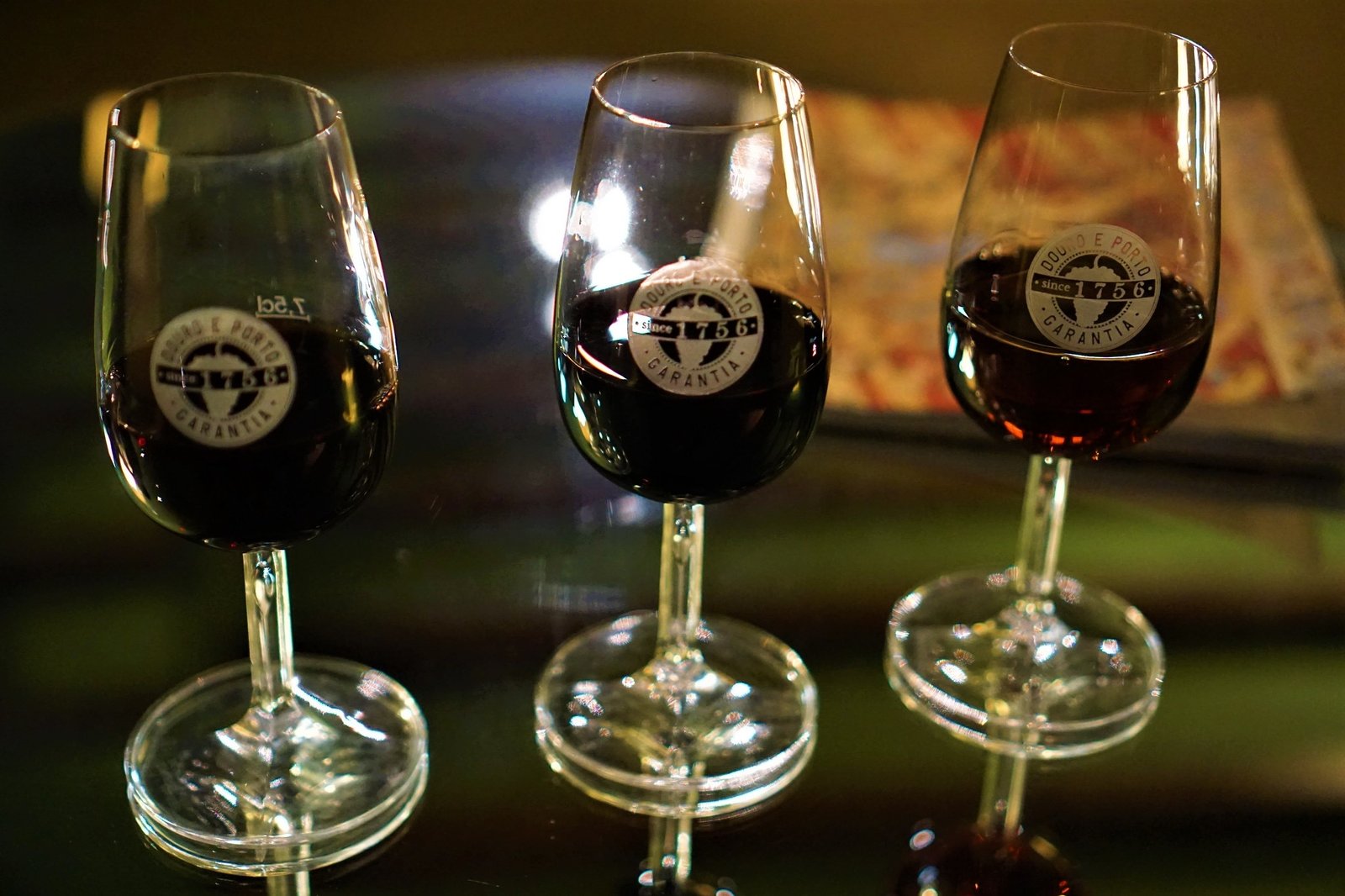
The Institute of Port Wines is located in an 18th-century mansion, and its interior looks like an upscale bar, which slightly upset Julia, who was expecting more of a classroom experience. Inside, we were seated in comfortable armchairs and were offered three out of several hundred different types of ports. There were red and tawny ports, with flavors of chocolate, berries, caramel, and cinnamon, from recent 3-year-old batches to wine from 20-year-old barrels. The waiter gave us a very short presentation identifying the name and year of each wine and left us to enjoy the ports. Although each glass was barely half-filled, when he came back to collect our empty glasses, he found us completely and hopelessly drunk. Our already low tolerance for alcohol, topped with surprisingly high alcohol content disguised by sticky-sweet taste, had us giggling ridiculously as Julia demanded to see her diploma as the newest graduate of the Institute of Port Wines. The waiter showed no appreciation for this highly “original” joke, but we were in a great mood, stumbling out of our new “alma mater” into the warm and rainy Lisbon evening. The fuzzy streetlights seemed even fuzzier.

If you don’t like heavy wines, like me, Portugal has something else in store for you. Before the trip, we were intrigued by and eager to try the green wine (vinho verde). The green wines we tried were light and refreshing—a great way to cool down on a particularly warm day. But the word “green” in the name tricked us a little bit. When we ordered it for the first time, what was delivered to our table was definitely not green.
“It looks more like white wine,” Julia said, disappointed.
It turns out “green” means “young” wine released only 3-6 months after harvest. It has nothing to do with the color. Turned off by the fact that she was not going to be sipping what she expected to look like “witches’ brew”, Julia barely sampled the wine, leaving me with the entire bottle. We just had a long, sleepless intercontinental flight and planned to go to a museum after the meal before turning in early. The bottle of not-even-green wine derailed our plans for the evening. After finishing two and a half glasses, I slowly lifted my head toward Julia.
“I am sorry. I don’t think I can go to the museum today. I am so sleepy.”
“Can you even walk?” she laughed at me.
I could, as a matter of fact, walk. Just not far. We skipped the museum, and thirty minutes later, I was dead asleep in the Airbnb.
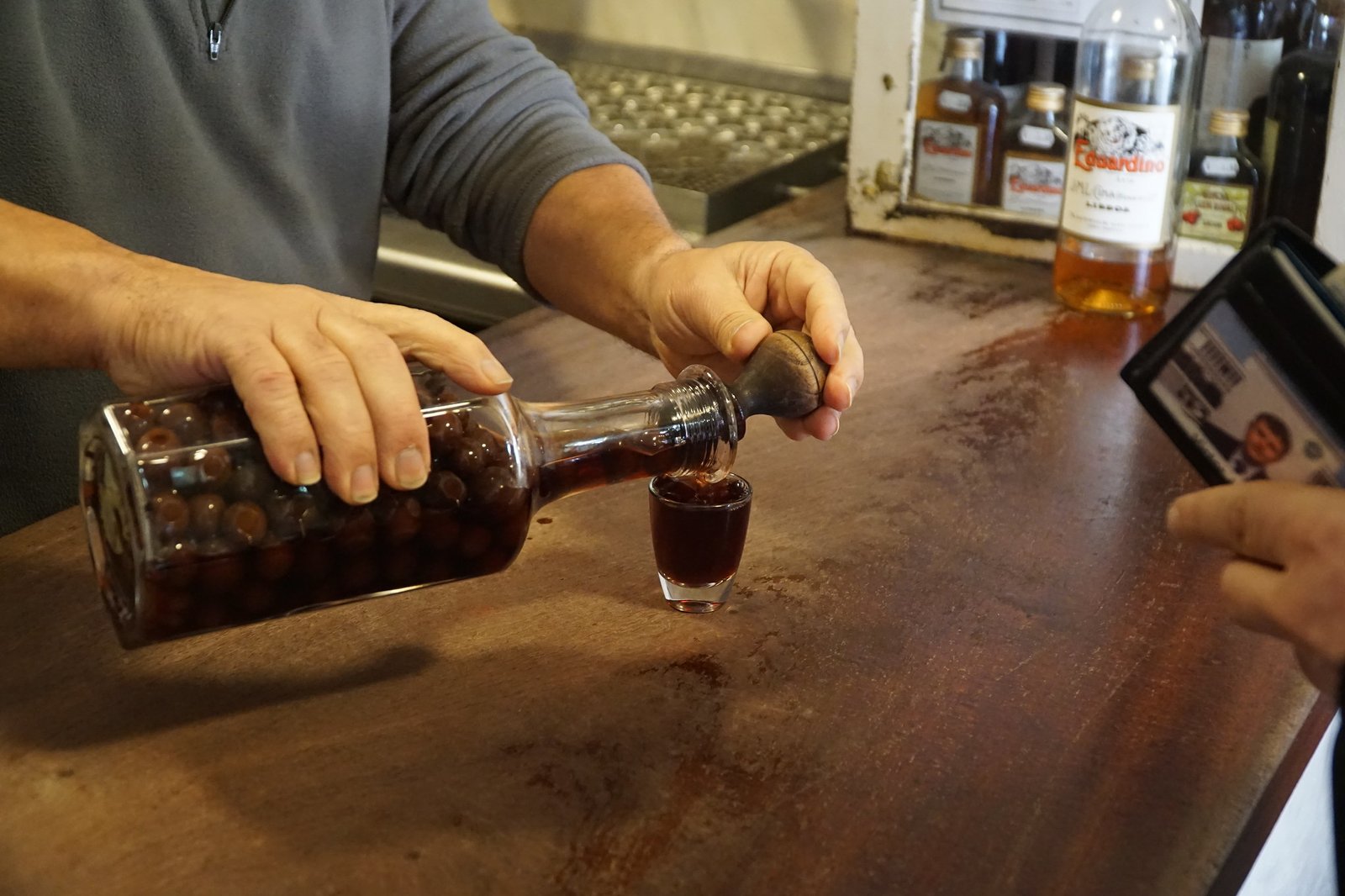
Our absolute favorite Portuguese drink was a tongue-twisting ginjinha, a sour cherry liqueur served in a shot glass with a Maraschino cherry on the bottom. The drink is quite popular in Lisbon. One of the city's squares has several stands selling this sweet delicacy. We were in Portugal in November, and the weather at times was quite chilly, so when we were cold, and ginjinha stands were nearby, we would have one shot between the two of us to warm up and continue with the sightseeing without getting tipsy.
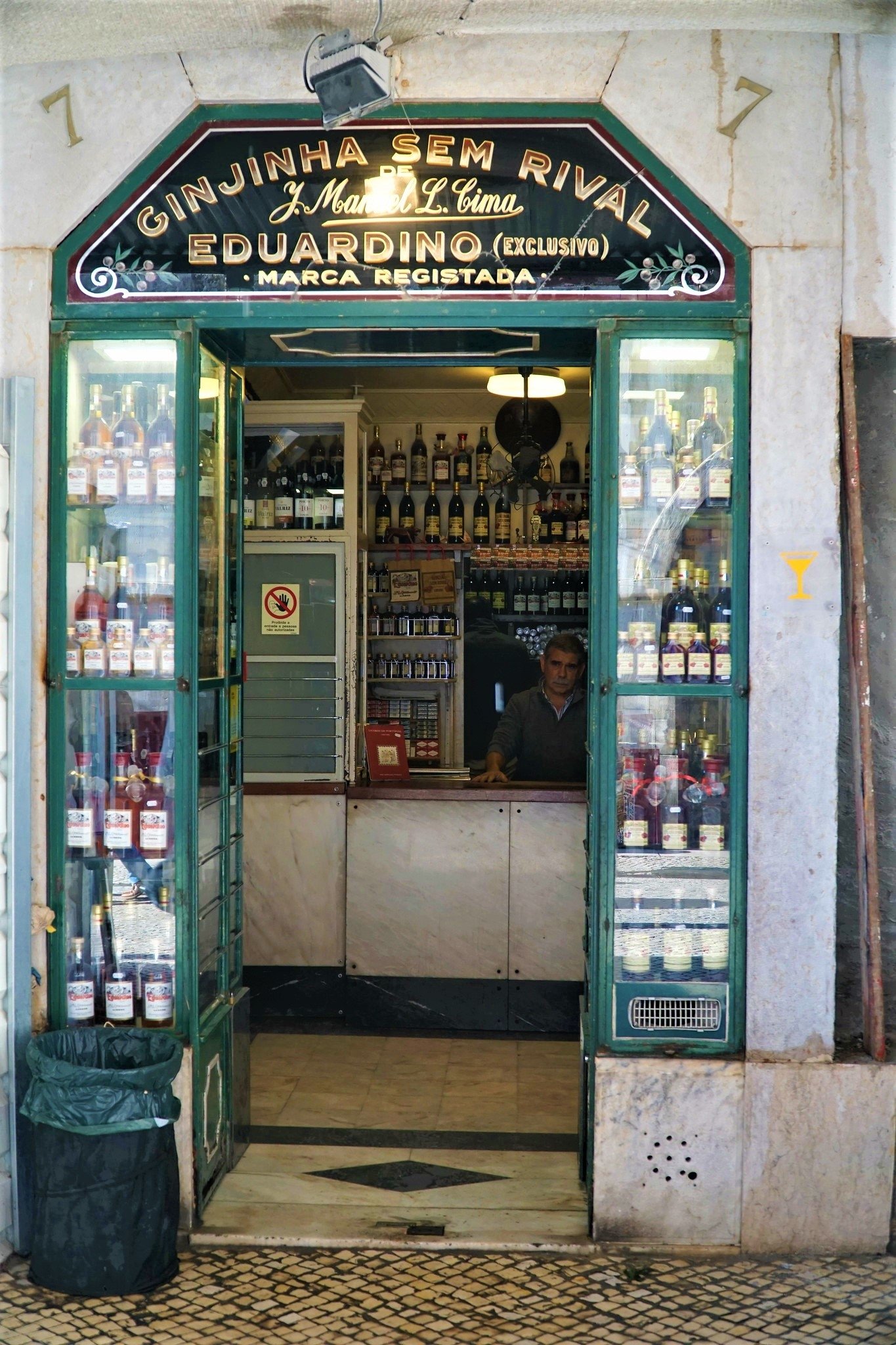

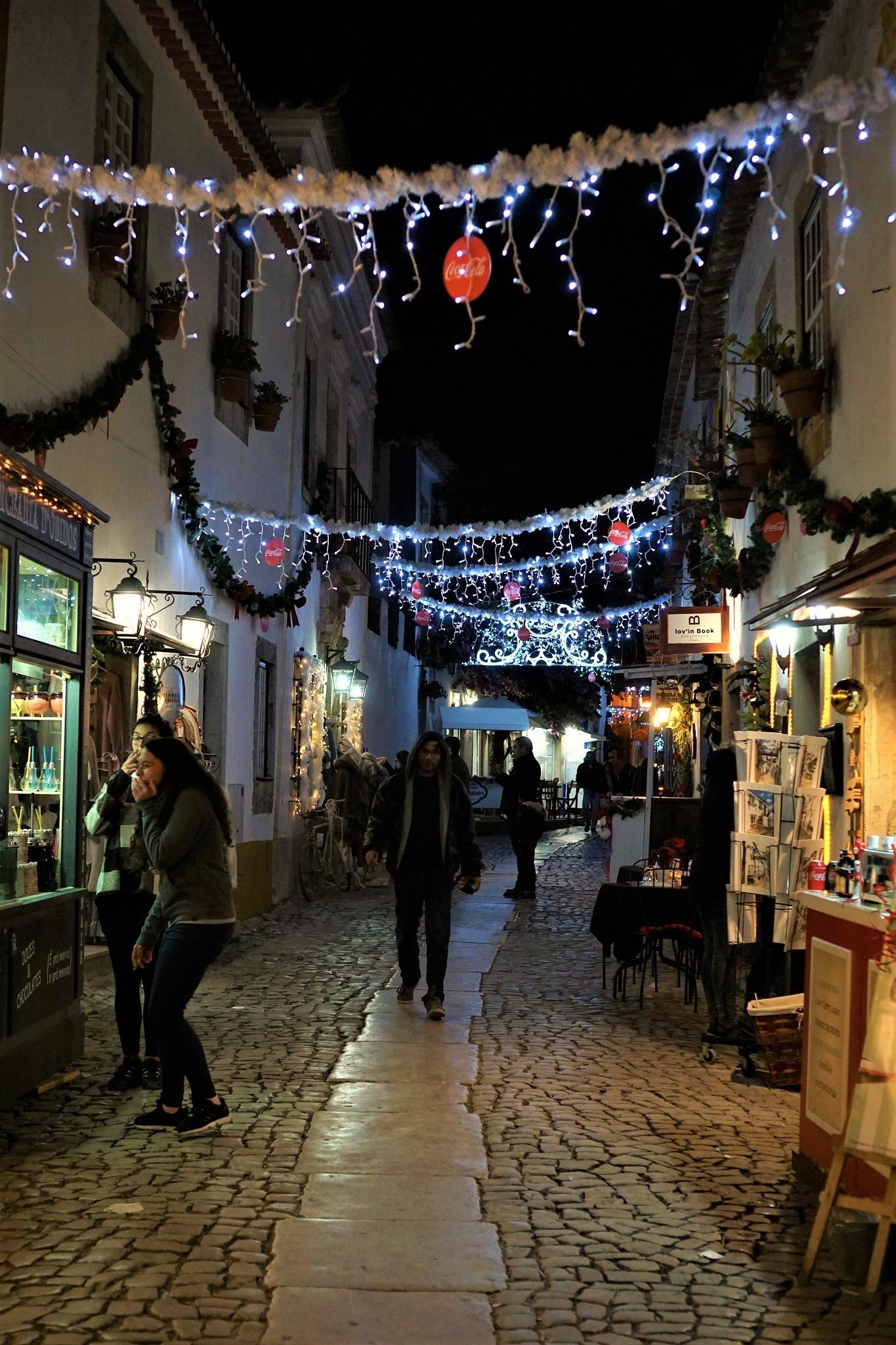
The coldest day we experienced was at the end of our trip when we were in the postcard-pretty Obidos. We arrived late in the evening, as the temperature was dropping to the freezing point, and we were shaking from the cold. Entering the town gate, we saw that the main street was packed with ginjinha stands. Every few feet on either side of the cobblestone road was an unmistakable giant bottle filled with thick red liquid and two cherries painted on the doors or windows of the stores. Julia, rubbing her freezing hands together, had a brilliant idea:
“Let’s walk this street and try it from every seller! Let’s see who has the best stuff, and this will keep us warm through the rest of the evening.”
“Let’s do this!” I said, taking 2 Euros from my pocket and approaching the first station.
I should mention that ginjinha is extremely sweet and tastes like candy syrup, so when drinking, one can barely notice it has any alcohol content. We stopped by the first seller and gulped down our first shots, immediately feeling the warming effect. In better spirits, we kept walking on the narrow street, admiring the typical white-washed houses, and a minute later, we saw another ginjinha stand. This one offered ginjinha in chocolate “shot glasses”. We stopped and again downed two shots of this deceptively sweet drink, followed by a crunchy bite of the chocolate shell. As I was finishing my shot, from the corner of my eye, I spotted another stand fifty feet down the street. I headed toward that seller, determined to complete this alcoholic marathon when Julia grabbed me by the sleeve and blurted out:
“I’m so drunk! I am done!”
I turned around, dismayed by her sudden surrender, and saw my drunk friend smiling goofily at me, chocolate smeared all over her lips. It was clear that this challenge was over before it even started.
“When it came to port wines, I finished an accredited institution, but all my ginjinha skills I learned on the street!” she exclaimed, “This street!”



The rest of the evening was spent with Julia running into every chocolate shop (and there were many) and holding intense conversations with various truffles as to what filling they had inside and if they wanted to be eaten today.
When I first decided to write a post about our drinking adventures in Portugal, it wasn’t just to keep track of various wines and liquors we drank, but mostly to remind ourselves of why we usually don’t drink. Annoying waiters with stupid jokes, skipping museums, and interrogating chocolate candies is occasionally fun on vacation, but mildly concerning as part of daily life.
Our next and last post for this year: We managed to remain sober in Japan long enough to discover Japanese baseball and jazz.


I wish i was there when Julia said “I’m so drunk! I am done!”
🙂