
“Please just point to it on the map. Don’t try to pronounce it!” Julia pleaded with me as we approached a ticket counter at the Tainan train station to buy tickets to our next destination.
The day before, she was chatting with her massage therapist and tried to tell him where we were going next, and no one in the massage parlor had any idea what city she was trying to say, despite it being located just 30 minutes away.
“They thought we were leaving Taiwan and going somewhere else.” She continued to make her case.
I just shrugged it off. She probably said it wrong. It’s Cow-see-you-ng.
Yet, as our turn to buy tickets quickly approached, I felt increasingly unsure and started to doubt if I was going to pronounce it correctly. Finally, when it was my turn—with the fear that I might buy tickets to the wrong city rising inside me—I admitted defeat and reached for the iPhone.
“Gau shaang,” said the ticket clerk, pronouncing the name completely differently and handing us two tickets.
Whew! Disaster averted.
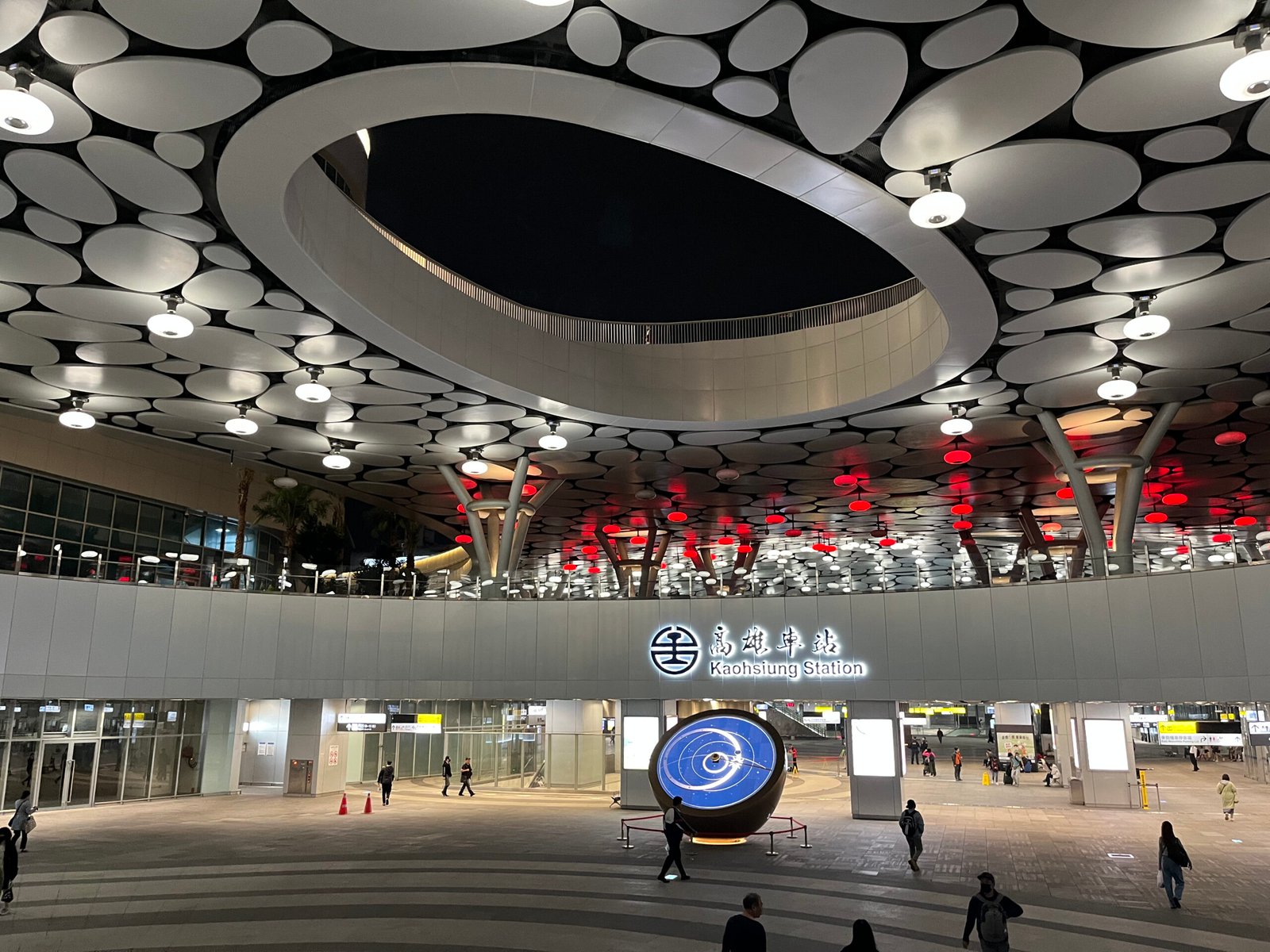
Disembarking at the Kaohsiung (or Gau shaang) train station, the city immediately struck us as very modern. The train station was sleek and polished as if we arrived at an airport somewhere in the Middle East. But the city exploration had to wait until the next morning. We arrived late and had only the time and energy for a quick late-night bite at a night market.
The next morning, we headed to the Yancheng District, across the Love River. The city and its landmark skyscraper, Sky 85, were dissolving into early morning smog and looked like an Impressionist painting. From what we’d read, the air quality in Kaohsiung is one of the worst on the island, but we were willing to compromise - just give us your best, Kaohsiung, and we’ll breathe your toxic air for the next 48 hours.
And Kaohsiung didn’t disappoint.
The second largest city in Taiwan, Kaohsiung, is not your typical industrial port city. Due to the initiatives of local mayors in the last twenty years, the city has been turned into a cultural destination. Dutch and Spanish architecture firms were commissioned to build concert halls, contemporary artists were hired to create public art installations, and posh jazz clubs and wine bars opened their doors. With its new modern identity, Kaohsiung doesn’t look like a miserable industrial city but rather like an exciting mix of Yokohama and Rotterdam.
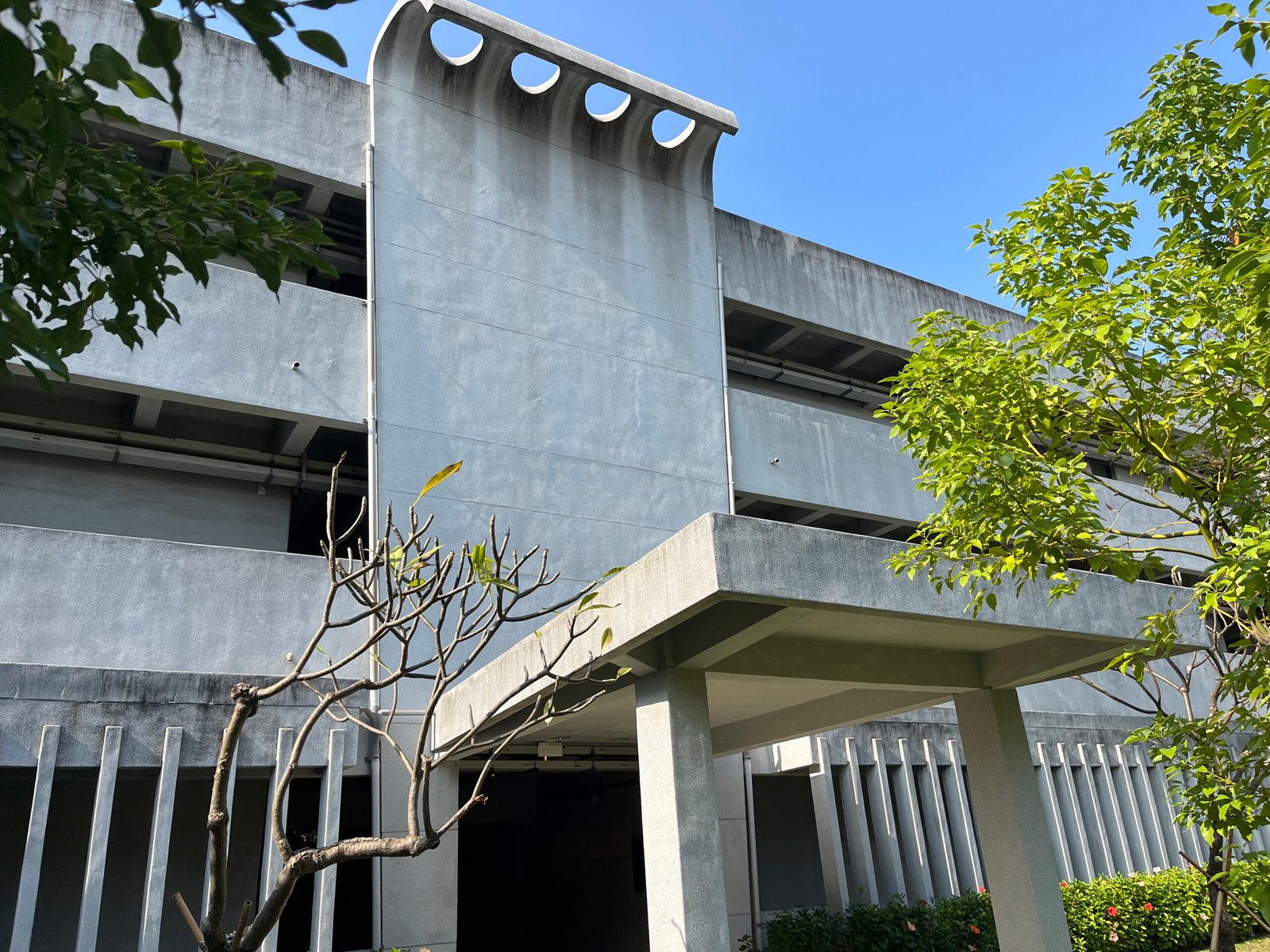
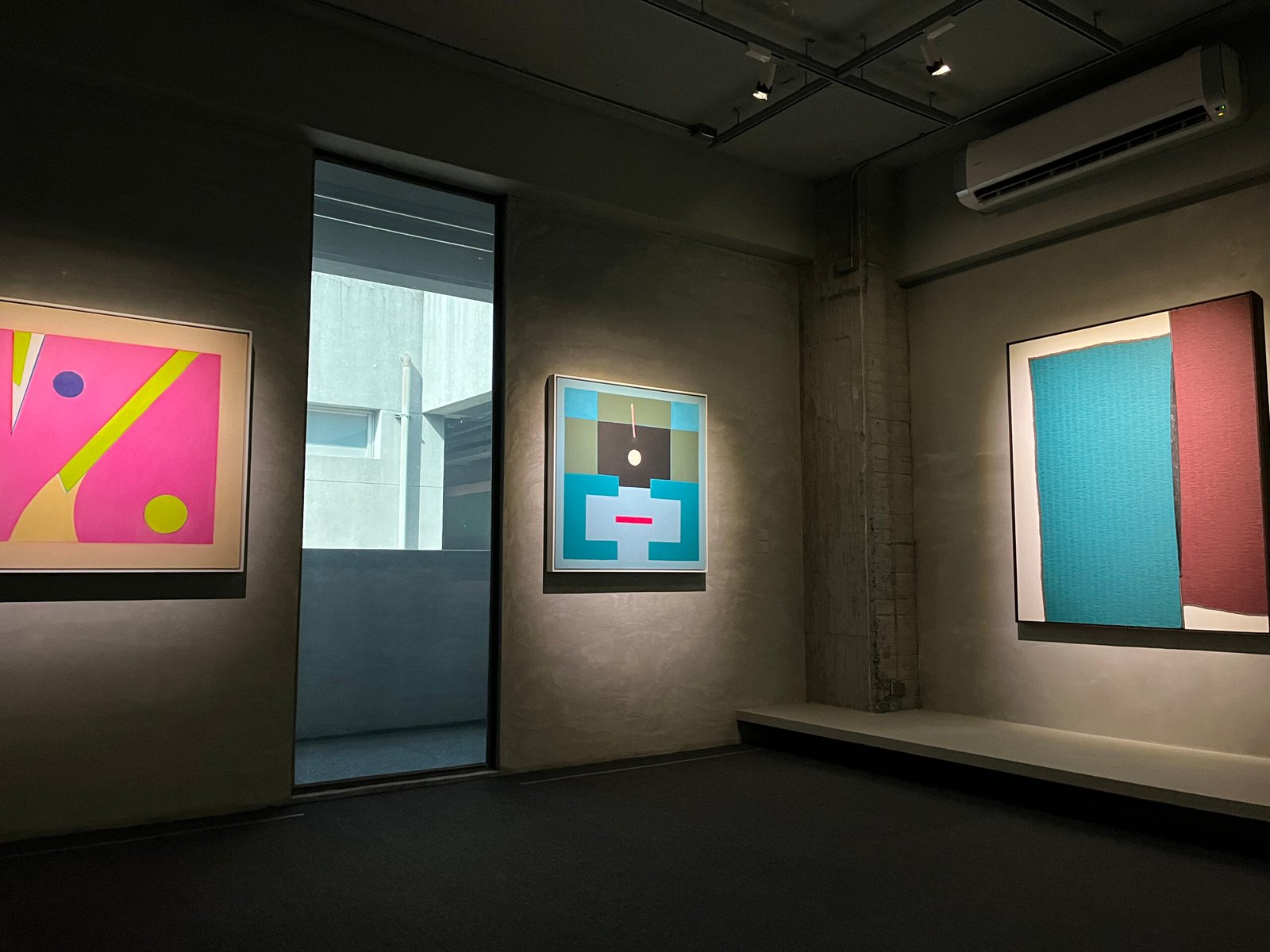
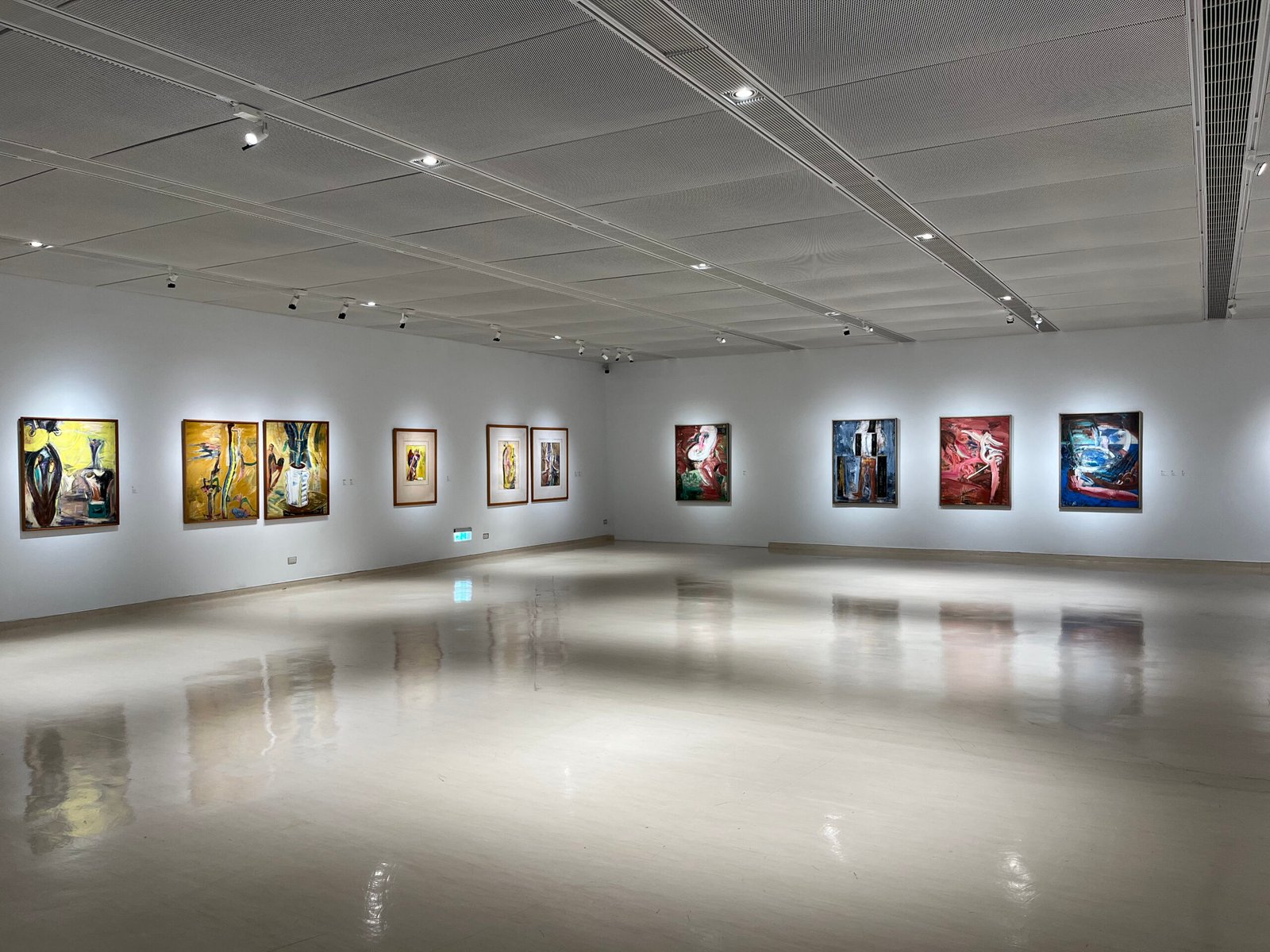
The best example of the city transformation is the ALIEN Art Center. For many years, a military hostel built in a brutalist style was a dreaded place for many young Taiwanese men, who were stationed here before their military service deployment. In 2018, this dark and heavy housing project was converted into an art space, and the barren concrete walls became home to world-class art exhibitions. On the day we visited, the ALIEN Art Center hosted works by contemporary Taiwanese, Korean, and Japanese artists. We spent several hours roaming the floors, admiring the creative output of the region’s leading artists. A museum café with delicious coffee and snacks, where the price of museum admission tickets was deducted from the final bill, was also a nice bonus and a good spot to recharge.
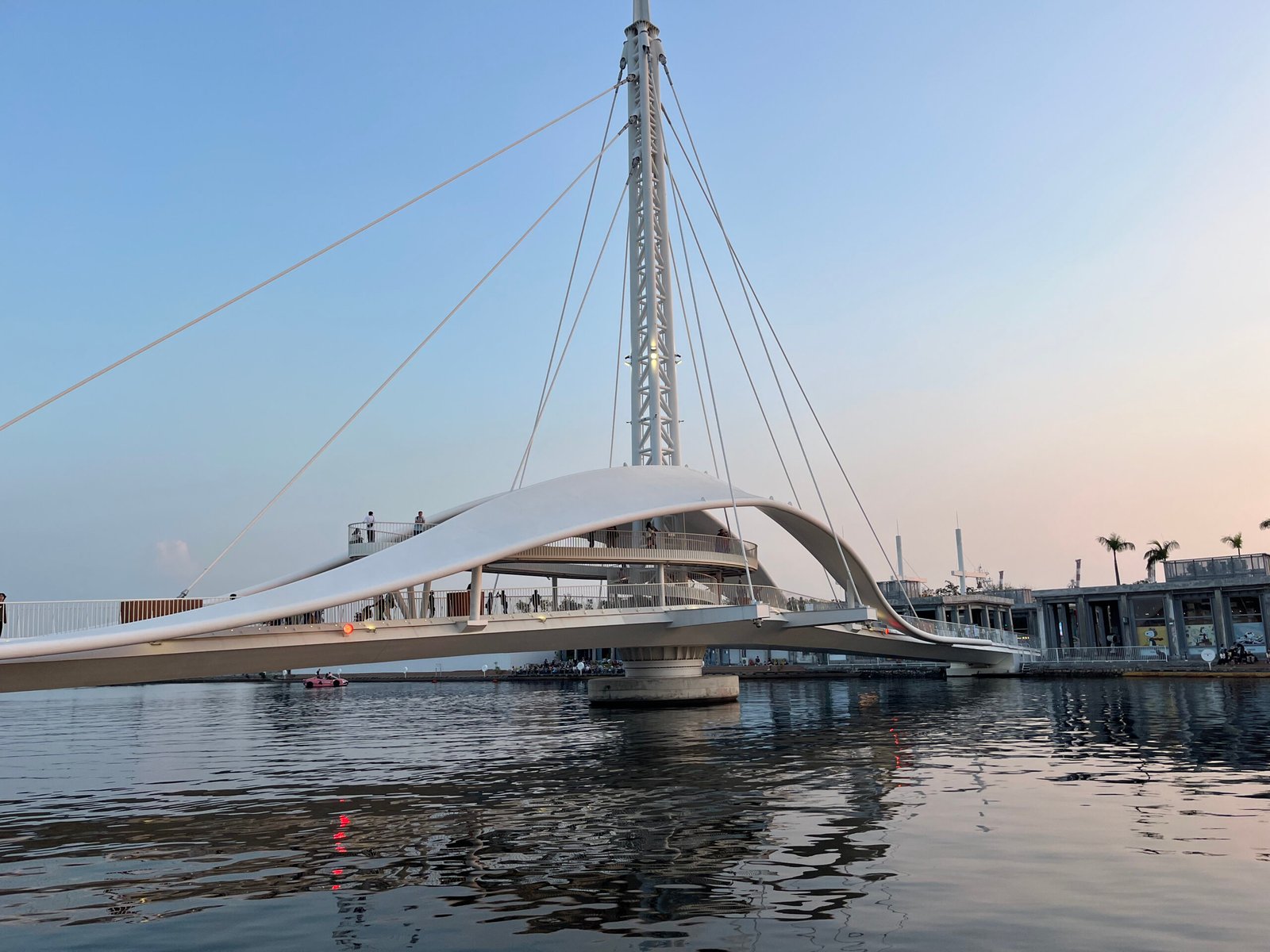
Just a short walk away is another landmark – The Pier-2 Art Center. With the city getting a dramatic makeover, the abandoned warehouses by the port have been turned into vibrant spaces with art galleries, creative installations, and sculptures. The area is a popular place to hang out, especially at sunset. The Great Harbor Bridge, looking very much like something Santiago Calatrava could have designed, provides a view of the port, the city, and the most unusual architectural project – Kaohsiung Music Hall.
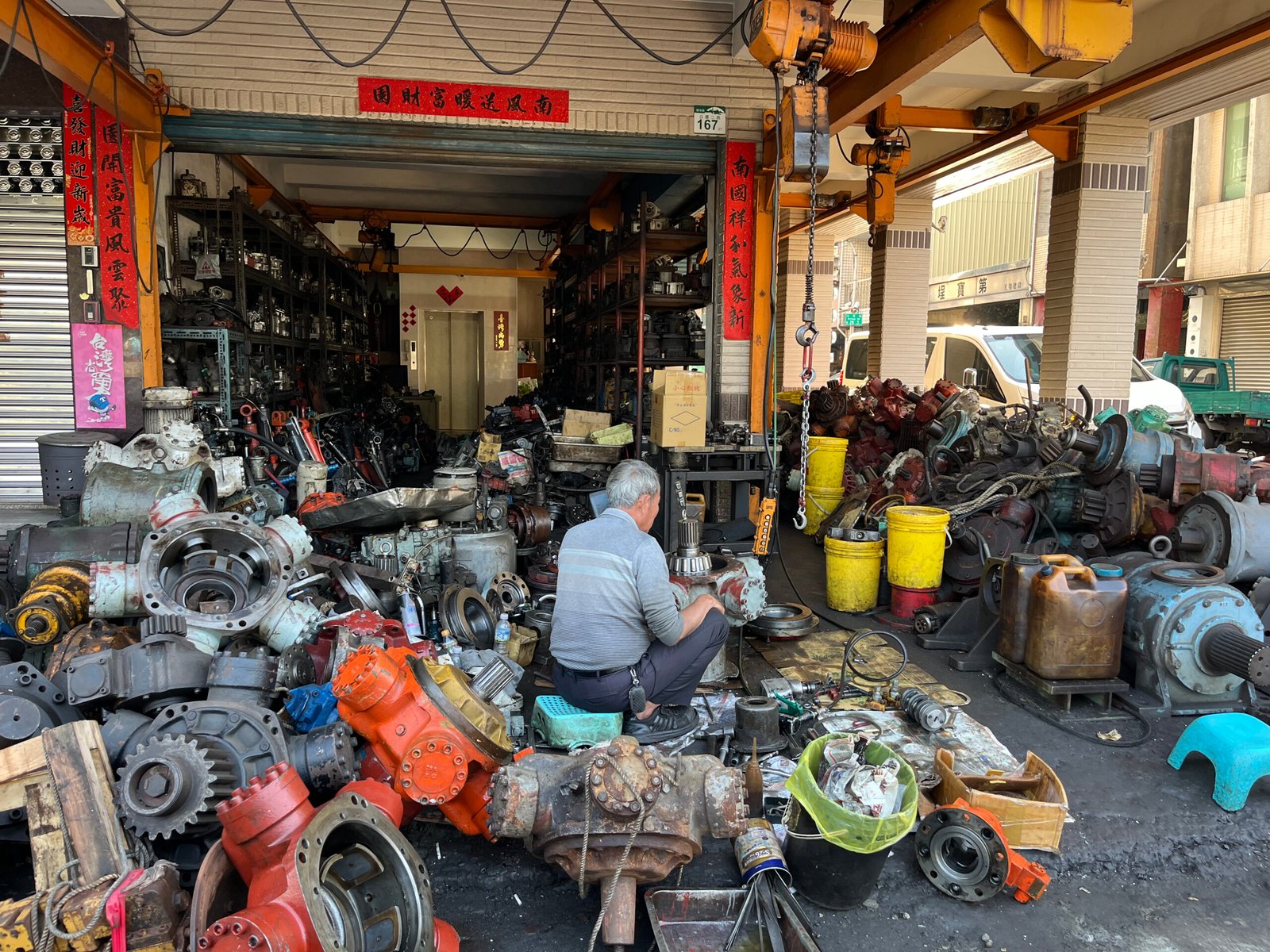
The most comforting aspect of the area’s transformation is that the change hasn’t destroyed the identity of the city or its blue-collar roots. The port is still active and one of the busiest in Taiwan. And on the way to the Pier-2 Art Center, we passed the functioning warehouses full of motors, engines, and metal parts, with people inside working on them. The artsy space didn’t feel gimmicky or like a tourist trap because it supplemented rather than replaced the real thing.
Our two days in the city were filled with other cultural explorations. We admired modern architecture, examined public art installations, and visited the Kaohsiung Museum of Fine Arts with thought-provoking exhibitions covering such topics as environmental protection, teenage suicide, and women’s rights.
But one of the most vivid memories was attending a classical concert. We capped one night at the National Kaohsiung Center for Performance Arts and were blown away by both the architecture of the concert hall and the human connections that we made there.
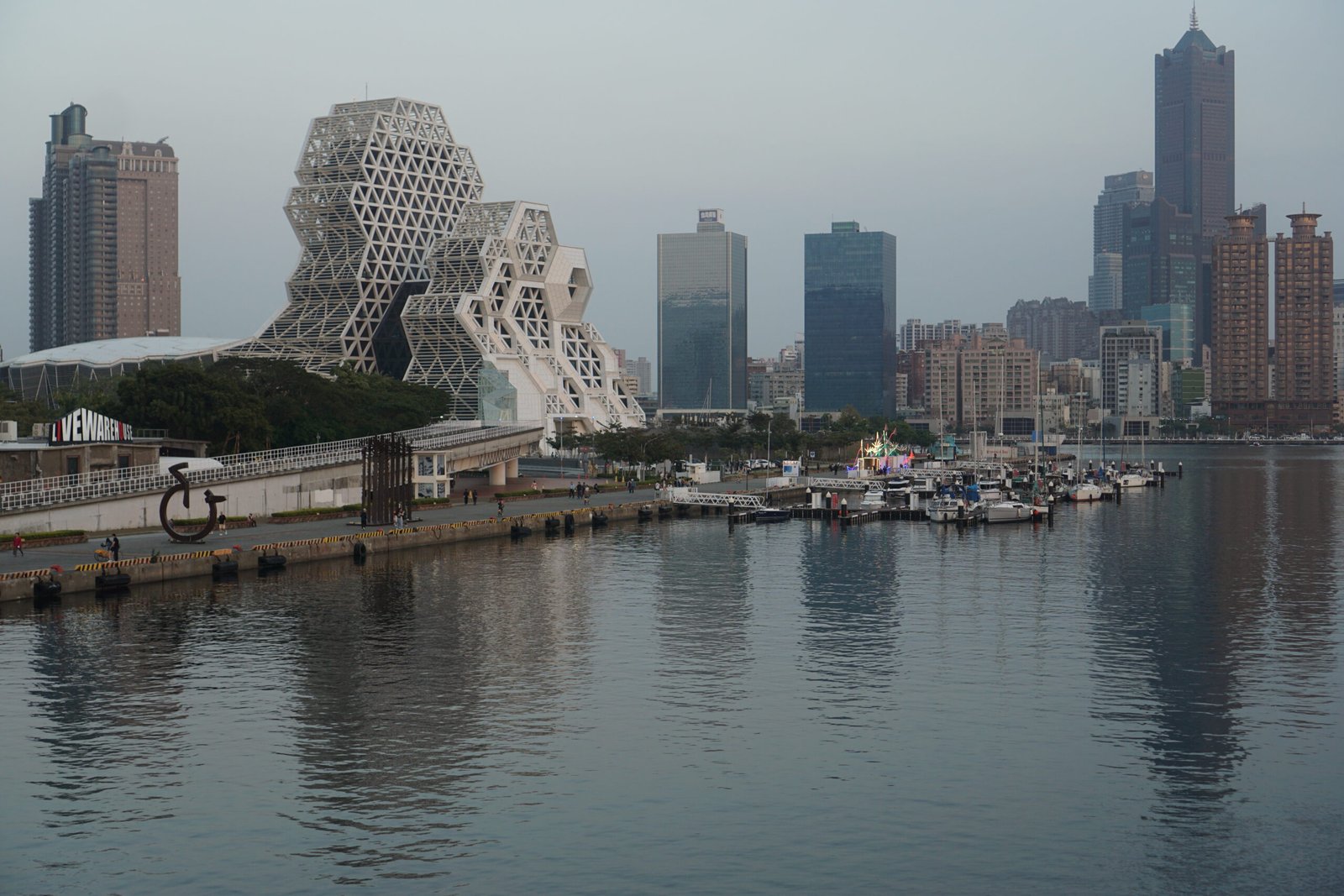
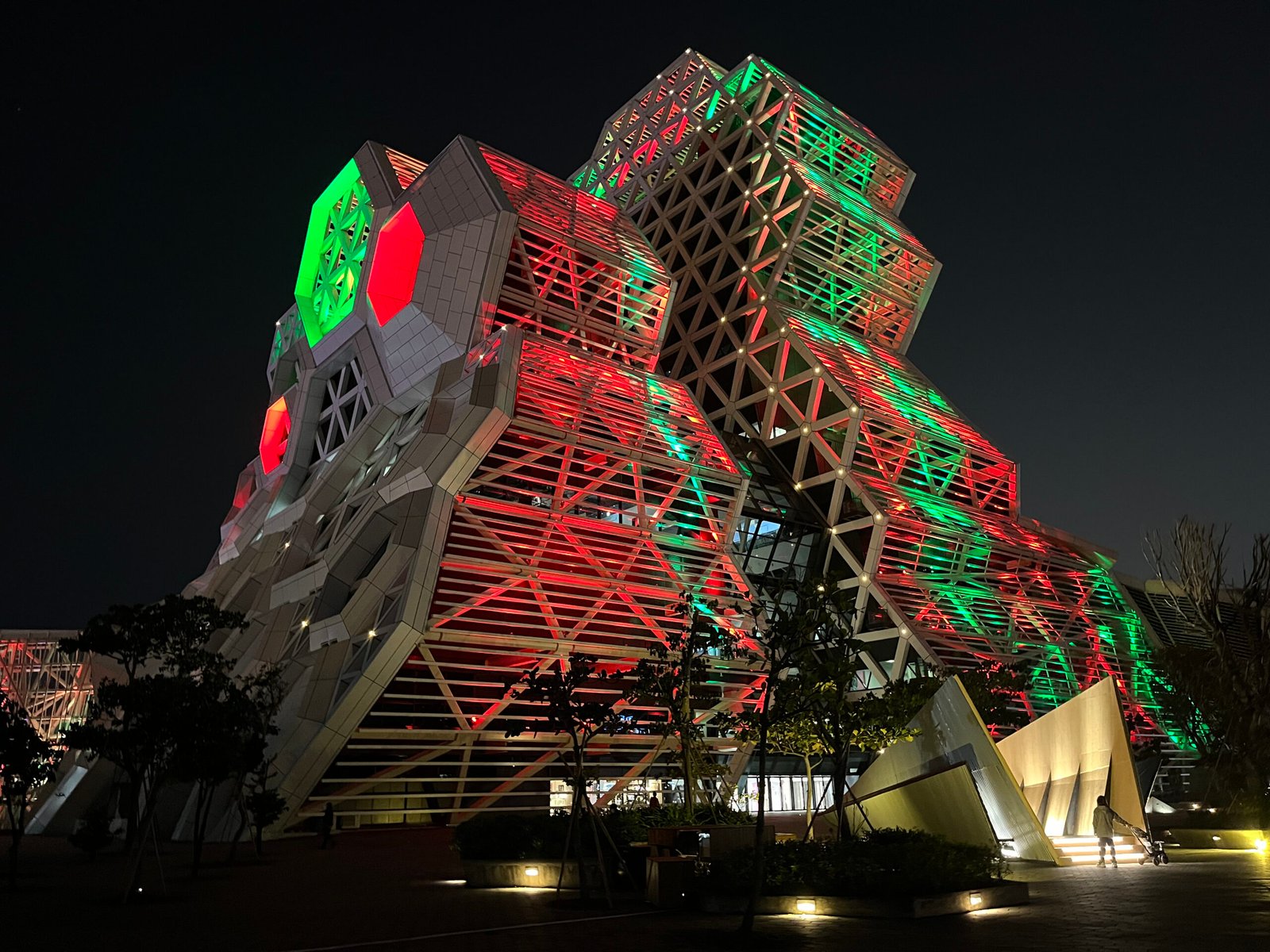
Like the ALIEN Art Center, the National Kaohsiung Center for Performance Arts occupies the former military site. Once the Taiwanese military abandoned the base located in Weiwuying Metropolitan Park, the site was transformed into a cultural space. Built in the shape of a giant wave, the venue’s unique design is another example of Kaohsiung’s reinvented modern identity. The place is enormous and hosts under one roof the Opera House, Concert Hall, Playhouse, and Recital Hall.
We planned to catch a classical piano concert at the Concert Hall, but we couldn’t buy tickets online, so we decided just to go to the arts center and try our luck at the box office. As we exited the metro station and headed toward the venue entrance, we noticed a Taiwanese woman following us. Soon, she caught up with us and asked if we were there for the concert. We said we didn’t have tickets and that we hoped to buy them at the entrance.
"I’ll get you free tickets.” She said cheerfully.
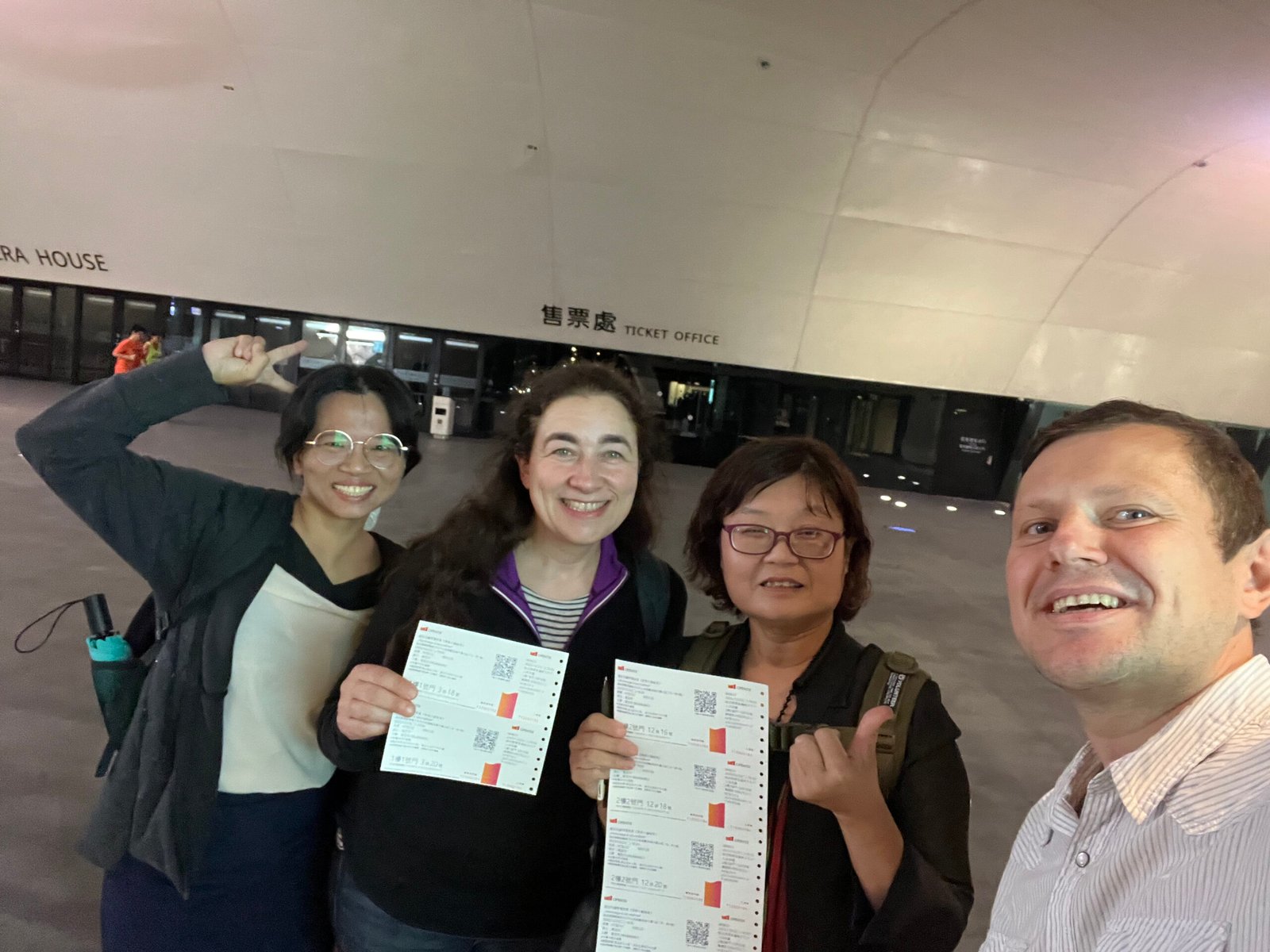
In our travels, we are always wary of strangers who are a little too friendly and approach us to offer something of value for free. But this lady didn’t look like a scammer. She was just delighted to talk to foreigners and excitedly told us that she was part of a local group that attended classical music concerts. That day, some of the people in the group cancelled, so they had extra tickets. We soon met her work colleague, who was also part of the group, and who handed us two free first-row tickets (!!) We happily chatted with the ladies as they wanted to know about our travels around the island.
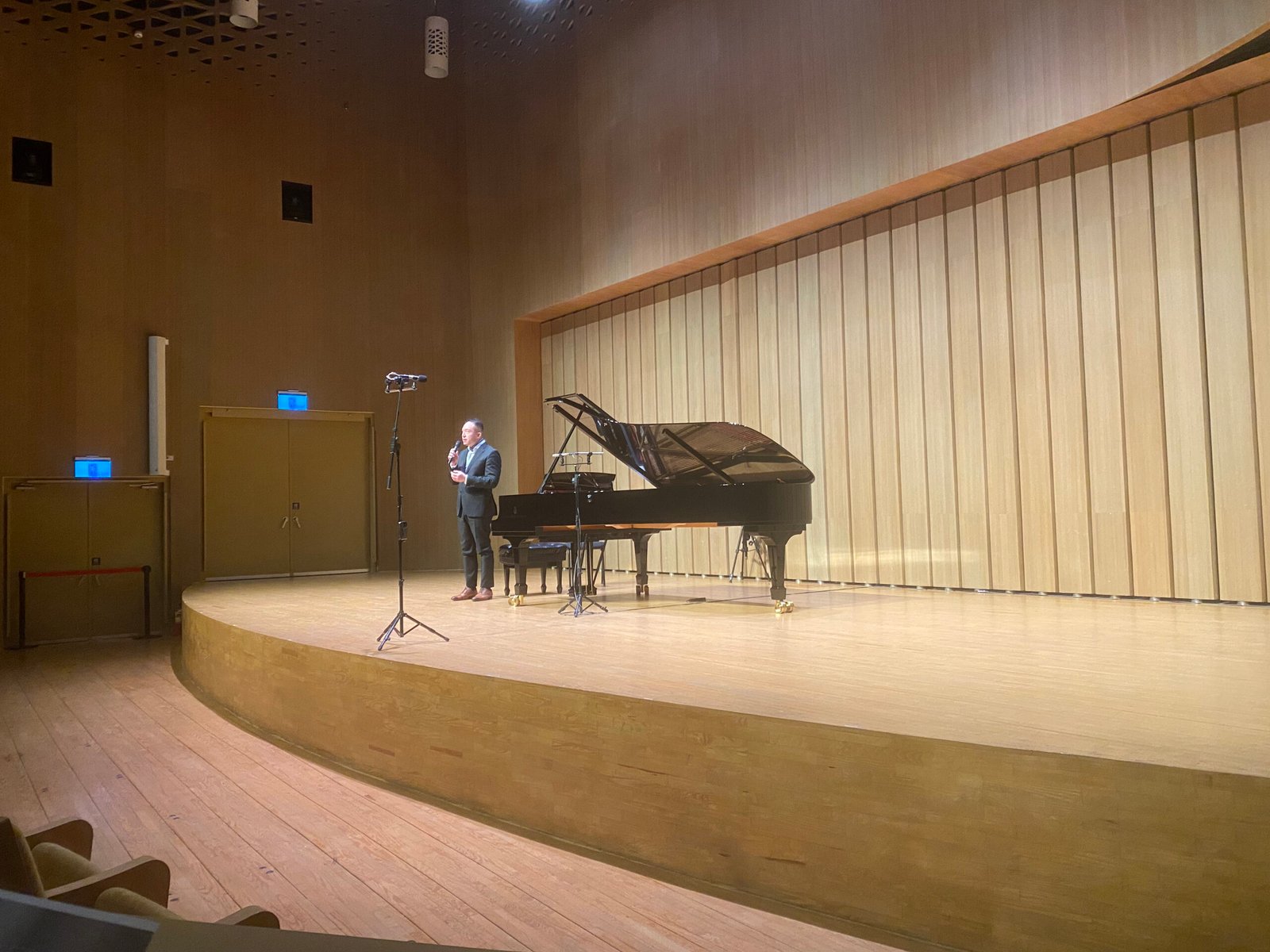
That evening, Thomas Yu-Tung Pan performed pieces of music by Tchaikovsky, Shostakovich, and other composers, and we enjoyed the night out in this unique concert hall. After the concert, the ladies who gave us free tickets introduced us to their other friends from the concert-going group, and we even talked to the pianist, who came out to pose for pictures with the audience. Standing in the hallway, we chatted, laughed, and traded stories. Our new acquaintances were warm, personable, and down-to-earth, and it was the best human connection we made in Taiwan during our stay.
Before the trip, the only Taiwanese city I knew about was Taipei, but it was Kaohsiung that surprised us with its innovative architecture, art museums, and the energy of a port city turned into a cultural mecca. The air may have been a little bit toxic in Kaohsiung, but the people were certainly not. They were welcoming and approachable and made us feel at home away from home.