
If you’ve ever skimmed our blog, you already know our usual pattern: go to a country, spend two weeks there, enjoy the hell out of it, swear we’ll return, and then never set foot there again. It happens every single time, no matter how earnestly we insist that this time will be different. Only a few countries have escaped this fate: Mexico, which we adore and visit at least twice a year; Türkiye, where Victor meets up with his family; and France.
My first trip to France was way back in 2002, during the infamous “6 countries in 11 days” sprint across Europe, also known as the first and last organized tour I’ve ever subjected myself to. After that came Paris and its outskirts in 2009, the Loire Valley in 2016, and Normandy and Bretagne in 2019. Something about France keeps pulling us back. Maybe it is that tempting combination of art, history, culture, food, and the occasional cheap airfare that is impossible to resist.
For a country we have visited this many times, we have embarrassingly few posts about it. In fact, we have written nothing at all about the Loire Valley, and it’s time to correct that oversight. The trip happened before the blog existed, so the details are a bit fuzzy, but six days of crisscrossing central France certainly left us with enough stories for at least one post.
I distinctly remember being skeptical of Victor’s plan to fly to France and then not visit Paris.
“But Paris!” I protested. “It’s Paris. We’re flying into Paris and then immediately driving out of Paris?”
Victor confidently nodded every time I said “Paris.”
“There is plenty to France outside of Paris,” he insisted.
“But what exactly is in the Loire Valley?”
“Châteaux and rosé wine.”
And just like that, we headed to the Loire Valley.
Now you might think that seeing a bunch of châteaux one after another while drinking inordinate amounts of rosé, then letting ten years go by before jotting down your impressions, would leave nothing but a château jumble in your head. But surprisingly, we still have a pretty clear impression of each individual château, mostly because each one had a strong personality and an interesting backstory.
Château d’Amboise
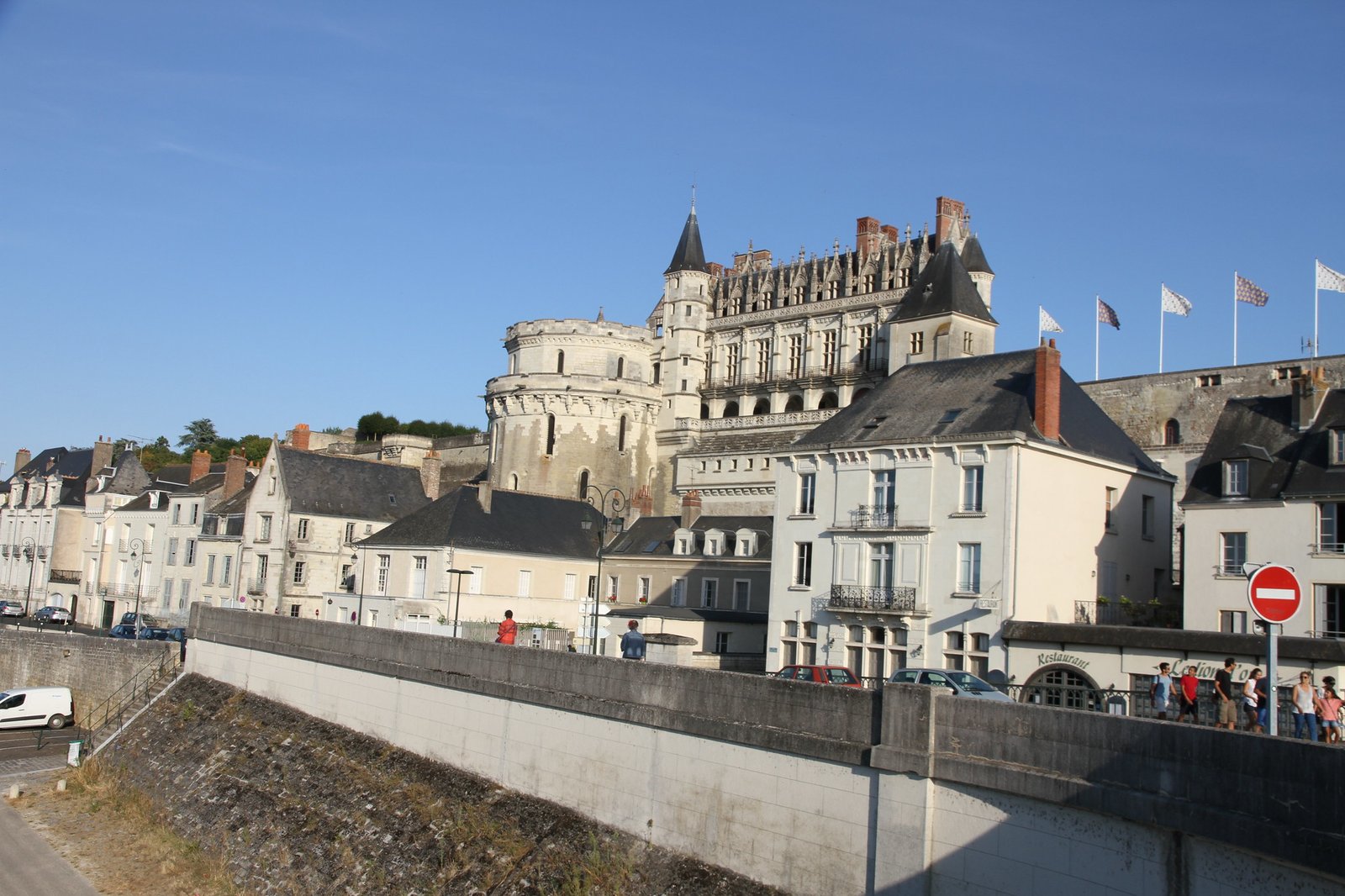
One of the first châteaux we visited, Château d’Amboise sat high above the Loire River, with the entire valley spreading out below like a painting. Pale stone towers and pointed spires rose above the town, while formal gardens unfolded behind the walls. It was a royal residence of King Francis I, and it very much looked the part.
As we walked up the sweeping staircase, Victor offhandedly mentioned, “You know, D’Artagnan visited this château.”
I stopped dead in my tracks. “D’Artagnan? From The Three Musketeers? But wait… he was real? I thought he was a fictional character.”
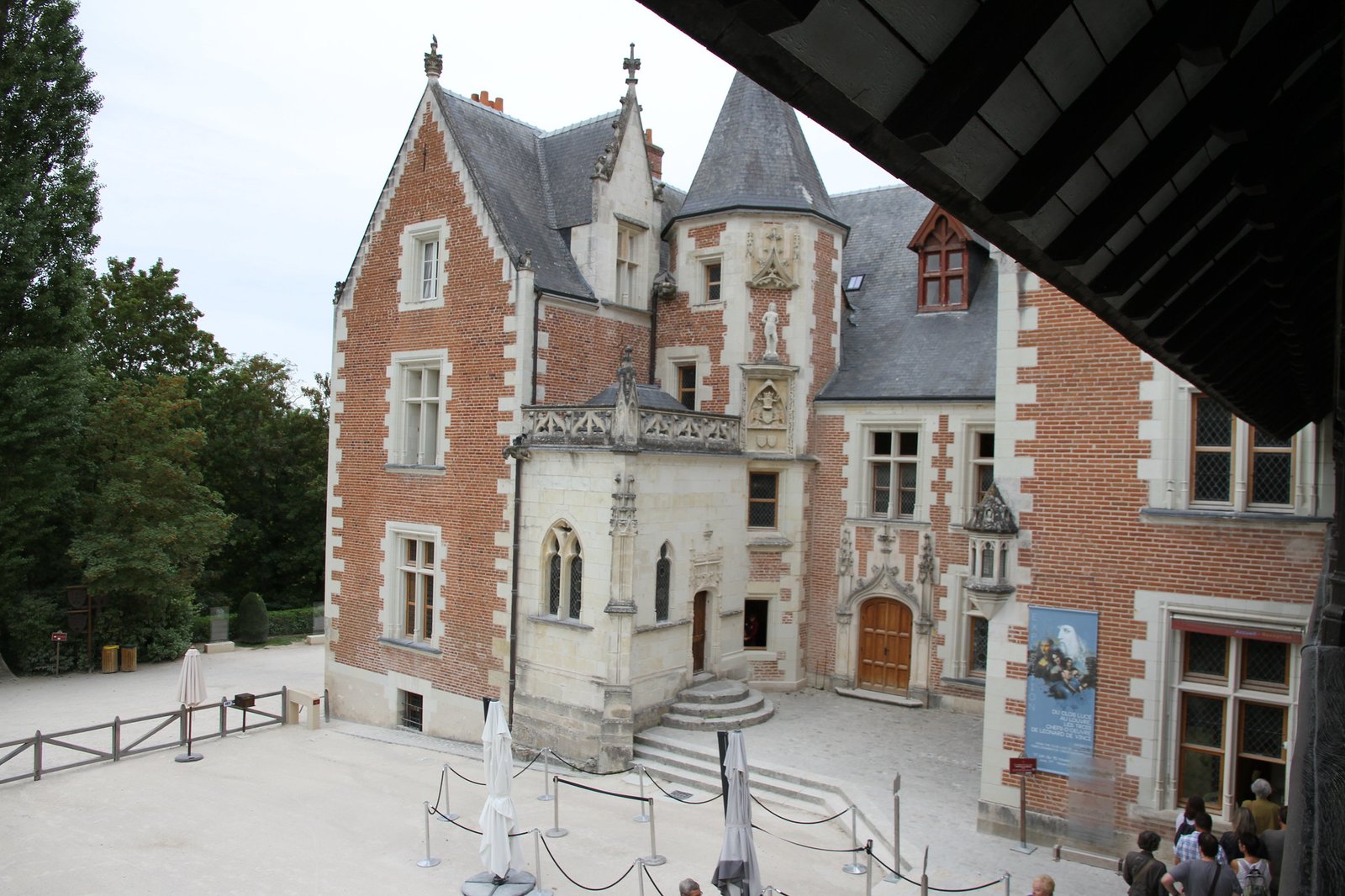
It took Victor a moment to stop smiling at my incredulous expression. Finally, he said, “You know Leonardo da Vinci was not a fictional character either, right? King Francis invited him to live in a small manor nearby. He died here and is buried in the château’s Gothic chapel.”
“Leonardo?” I asked. “The Teenage Mutant Ninja Turtle?”
This time it was my turn to laugh at Victor’s stunned silence.
Chaumont-sur-Loire
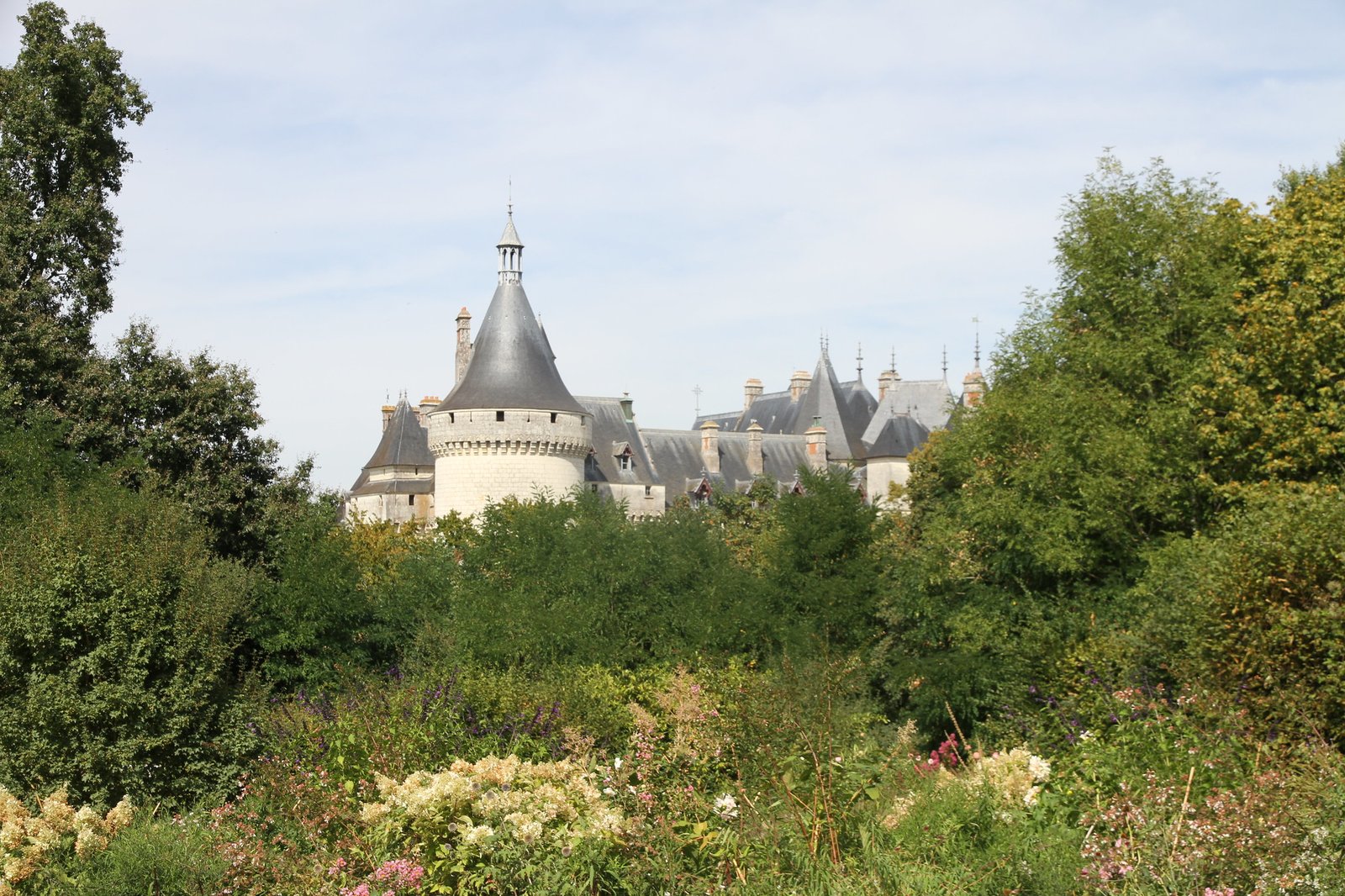
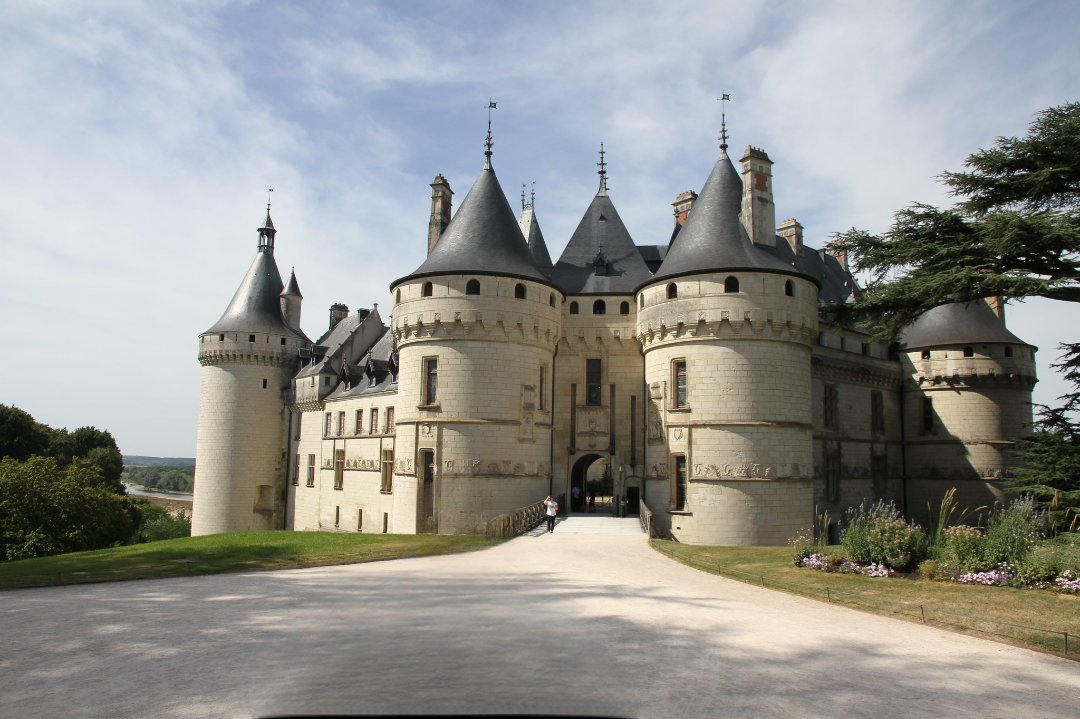
Perched above the Loire on a wooded bluff, Château de Chaumont-sur-Loire looked like something a medieval Disney illustrator would dream up. Slate-roofed towers, a drawbridge over the moat, and ivy climbing the pale stone walls gave it an unmistakably fairy-tale feel. Walking through the grounds felt less like touring a residence and more like stepping into a storybook.
The story we heard while wandering the gardens was that during the French Revolution, when being an aristocrat was a very poor career choice, the owner of Chaumont reportedly survived because he had always been kind to the local villagers.
“Do you think this story is actually true, or just a legend?” I wondered out loud.
“It’s a lesson,” Victor replied philosophically. “If you treat your neighbors well, they are less likely to kill you.”
Chambord
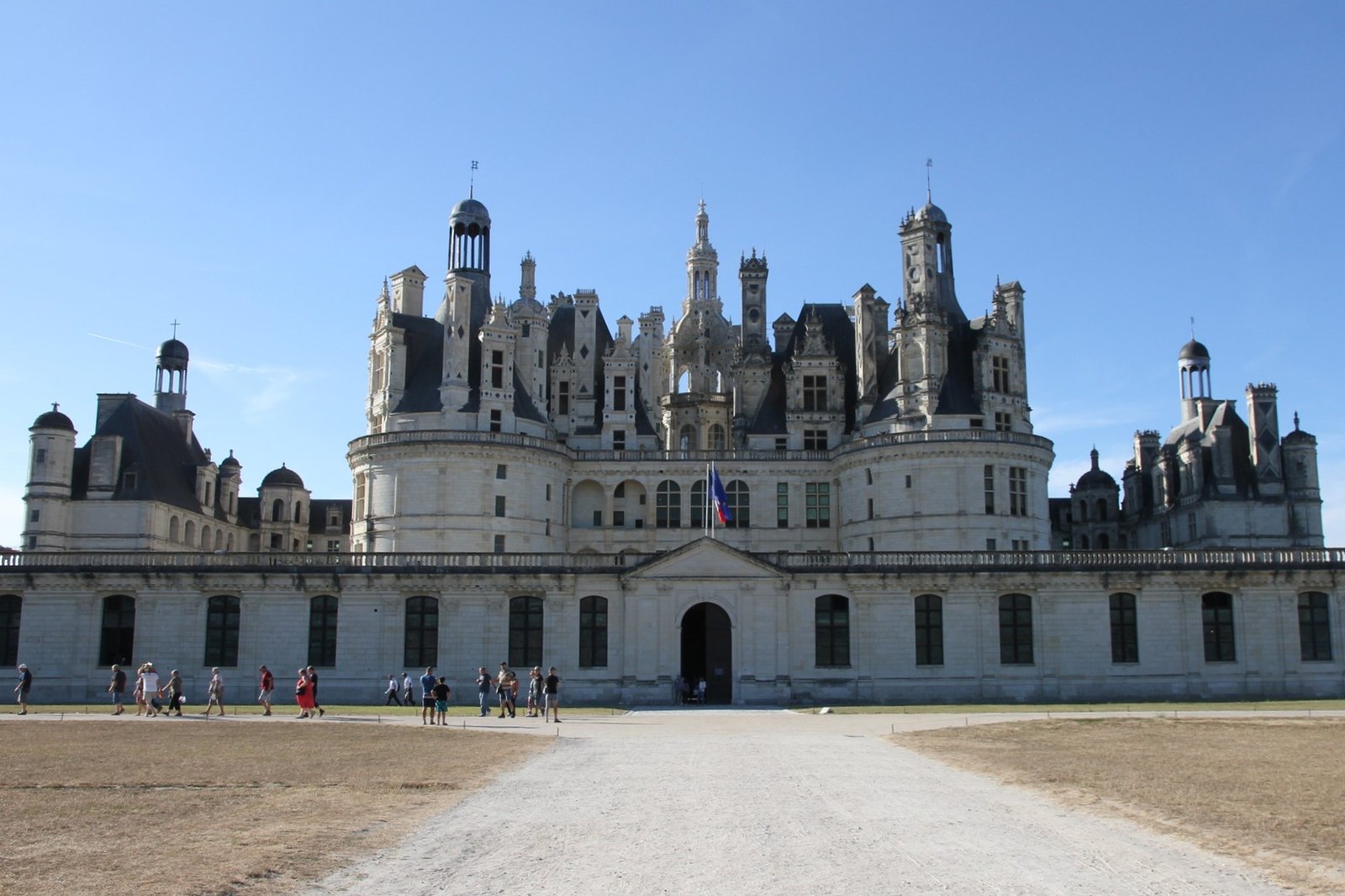
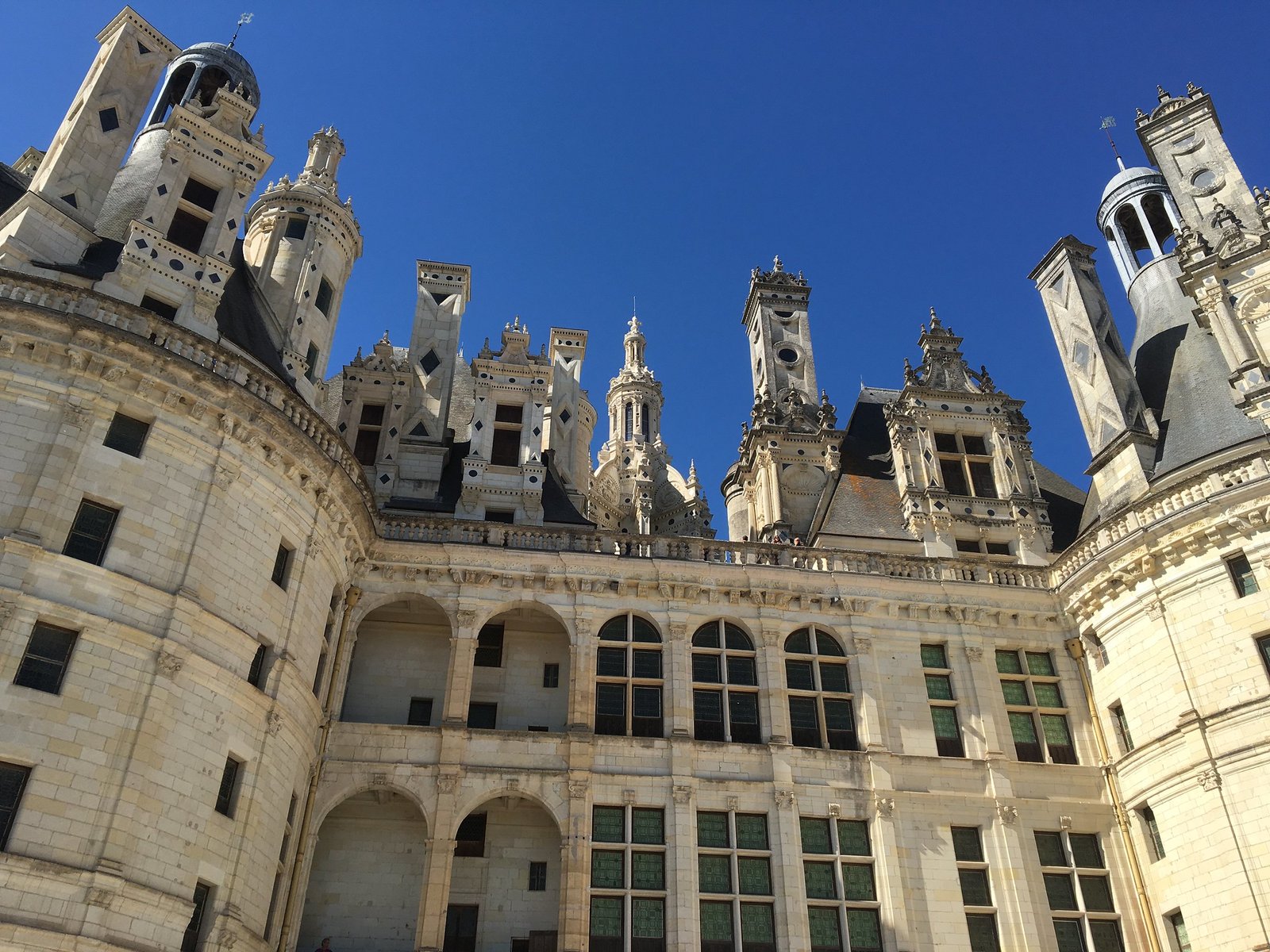
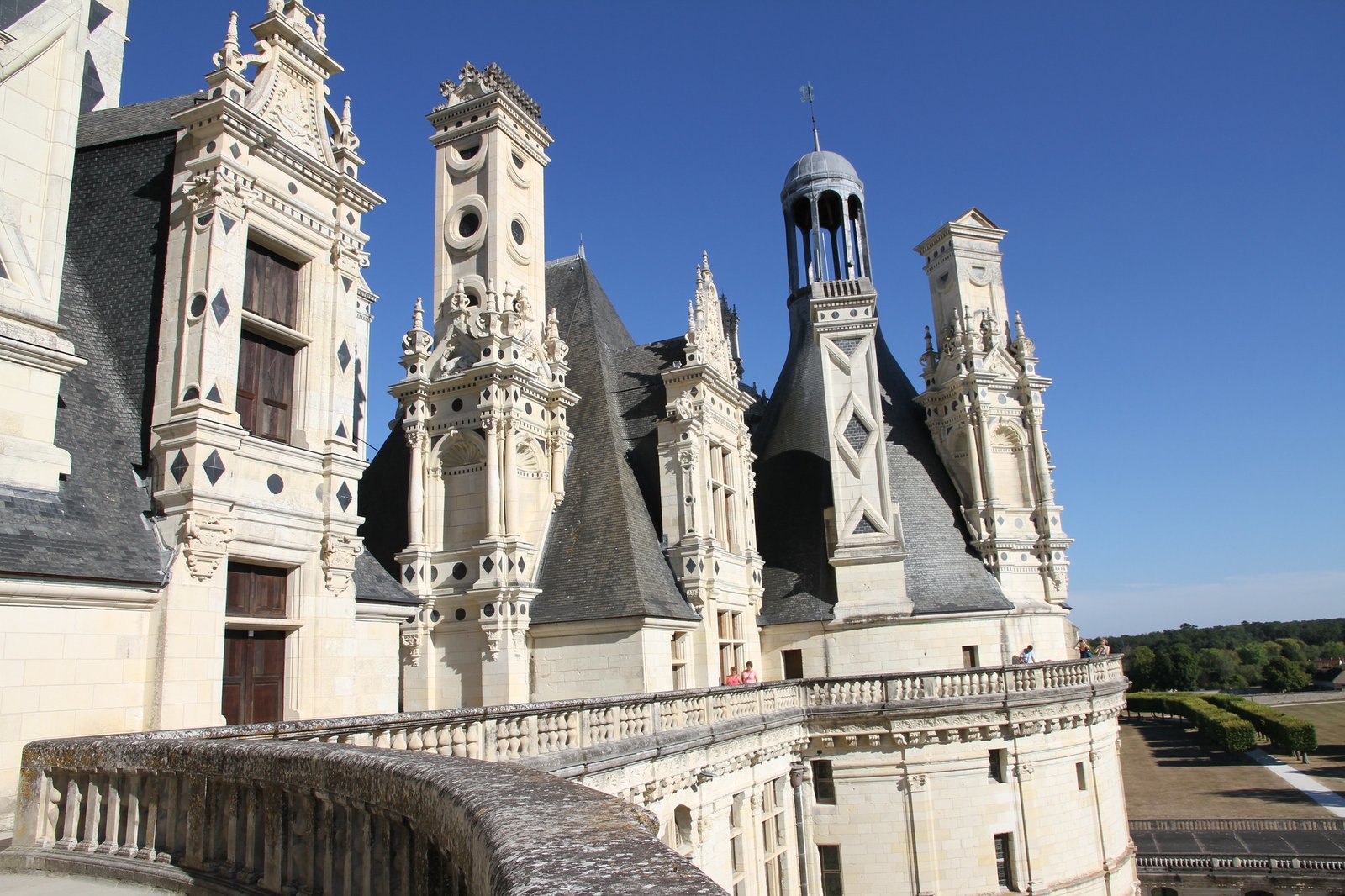
Château de Chambord was immediately impressive. The building rose out of the forest like a mirage, massive and overwhelming, with over 400 rooms and 80 staircases. Its roofline bristled with towers, chimneys, and lanterns, resembling an entire city sculpted from stone.
“It’s a hunting lodge,” Victor said, while I stared at a structure larger and more majestic than all the other châteaux we had seen in the Loire Valley combined. And yet it really was just that. A hunting lodge that was never King Francis I’s permanent residence and was visited by him for only 72 days over the course of his 32-year reign.
Inside, the famous double-helix staircase, inspired by da Vinci, was fascinating, though I never managed to take a good photo of it. We spent so long wandering from room to room that it honestly felt like we spent more time there than King Francis ever did.
Chenonceau
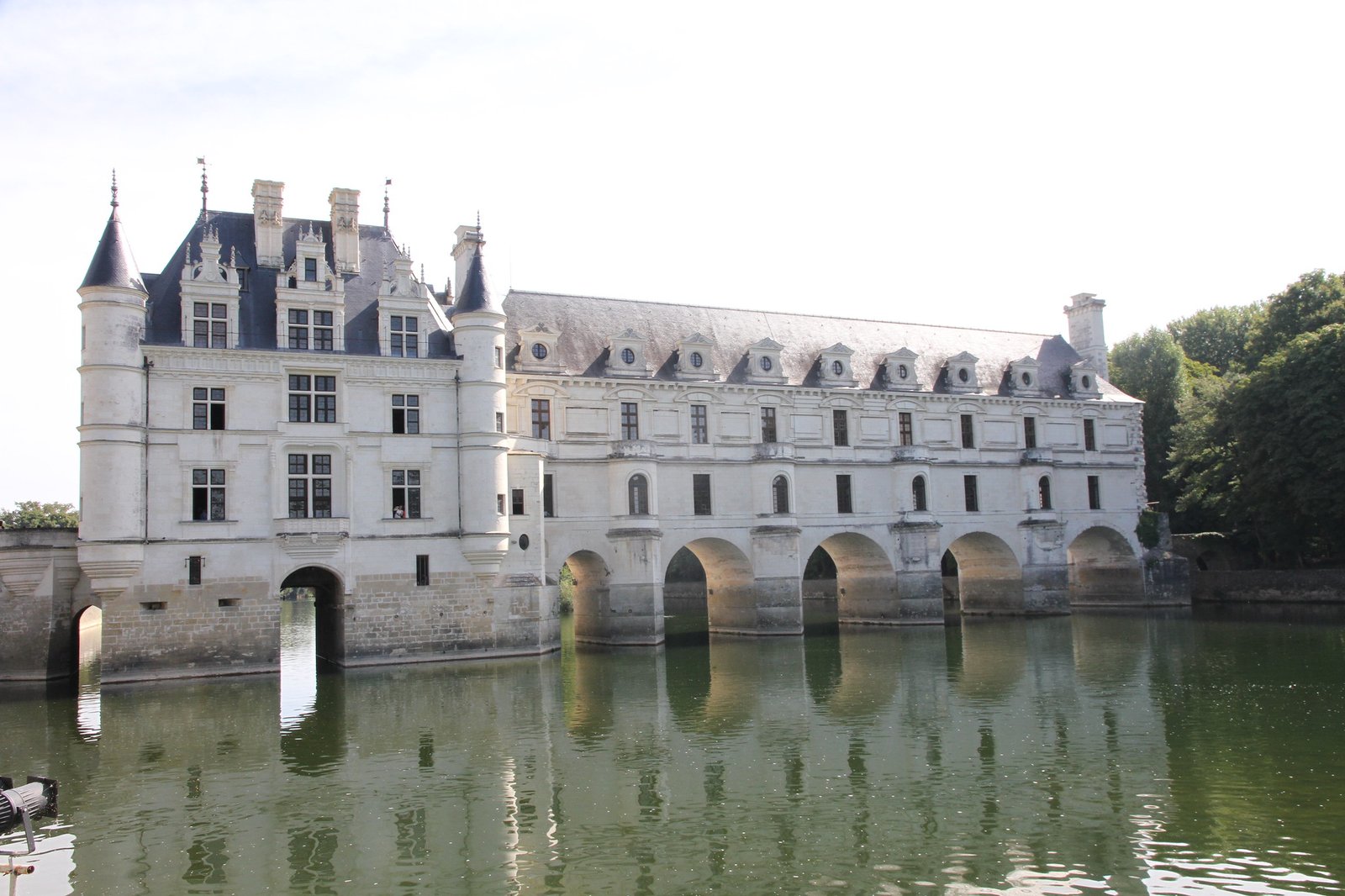
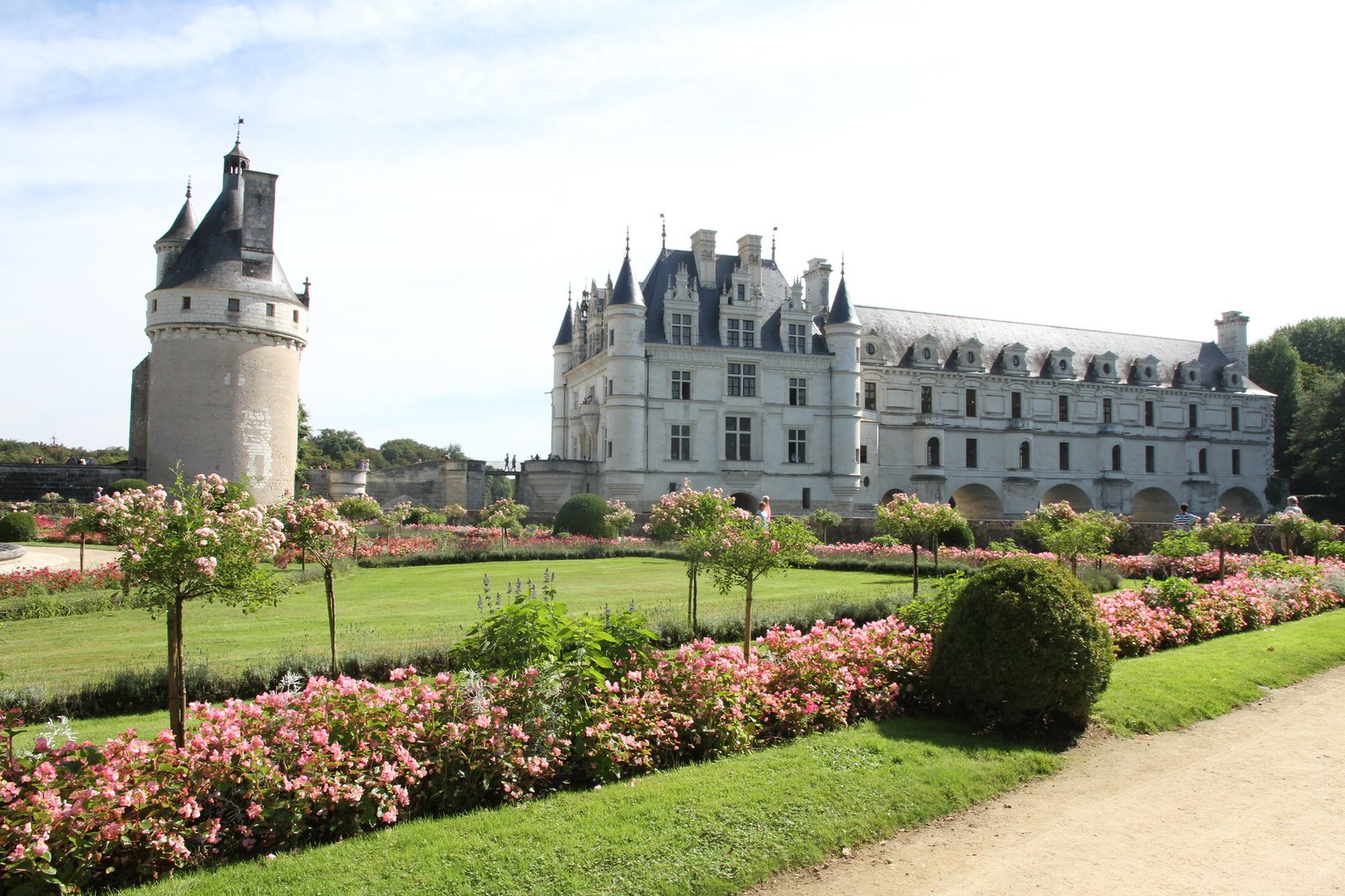
Chenonceau may be the most graceful château in the Loire Valley. It stretches across the River Cher on elegant stone arches, and on the day we visited, its reflection in the water was so perfect it looked as if the entire building were floating. Unlike many of its grand neighbors, Chenonceau felt human in scale, cozier, like a place where you could imagine waking up and having coffee while overlooking the gardens of Diane de Poitiers and Catherine de Medici.
There is also an interesting story tied to the French Revolution, when many great estates did not survive unscathed. Louise Dupin, the widowed owner of Château de Chenonceau, saved her property through quick thinking. She convinced the revolutionaries that the château was essential to commerce because its arches formed the only bridge across the river for miles. The argument worked.
Cheverny
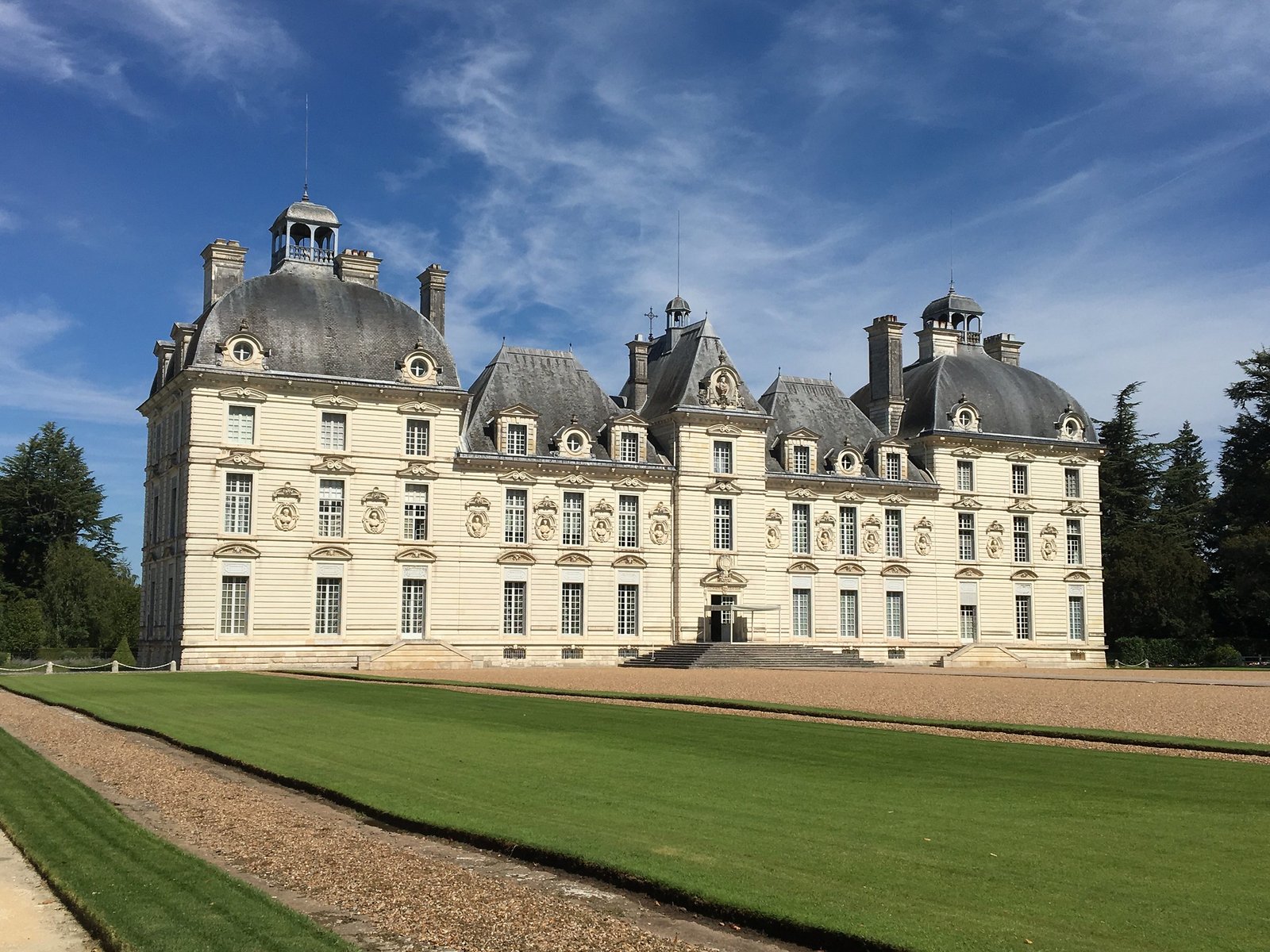

At first glance, Château de Cheverny appeared elegant and orderly, with a pale façade and perfectly aligned windows that showcased the classical balance of 17th-century architecture. We enjoyed exploring the richly decorated rooms of this privately owned family estate, but that turned out not to be the main attraction.
All appearances of refinement vanished the moment we stepped outside near the dog kennels. Every day, hundreds of tourists gather to watch the hunting dogs get fed, and it’s quite a spectacle.
The moment the attendant appeared, the dogs went wild, howling and pacing. The man opened the gate blocking the stairs going to the roof, and the dogs immediately cleared the yard and crowded on the roof. From there, they watched the attendant wash the yard and lay out buckets of soupe des chiens directly on the ground. Once he opened the gate, the dogs rushed back in, each attempting to get a bite of the raw meat mixed with feed.
As the man cracked his whip and paced back and forth, they formed a line, barking and whining, trembling with anticipation. The attendant, seemingly immune to the chaos brewing around him, kept pacing.
I feel more stressed when my cats scream at me over half-filled bowls than this man did while surrounded by a hundred hungry hounds. Finally, after what felt like an eternity, he stepped back, surveyed the dogs, and called out, “Allez!”
All hell broke loose. The food vanished in under a minute as dogs leaped over one another, devouring everything in sight. The attendant calmly pulled aside a few older or injured dogs and fed them by hand. It was a strange but deeply satisfying scene, a burst of raw, primal energy set against an impeccably polished château.
The Loire châteaux survived wars, revolutions, neglect, and more than a few impractical royal whims. They are still standing because, at one point or another, someone cared enough to protect them, adapt them, or argue convincingly for their value. Ten years after a brief visit, we still reminisce about the Loire Valley and all the stunning châteaux with beautiful gardens and vineyards. Clearly, we are overdue for another France trip!