
The last time we were in Southeast Asia was in 2019, which now seems like a lifetime ago. Our first trip to that region was Thailand in 2013, followed by India in 2014, Japan in 2016, China in 2017, Cambodia in 2018, and finally Vietnam in 2019. On our first morning in Shanghai, we sat on the steps of a bakery, devouring fluffy hot buns and breathing in the chilly morning air, when Victor turned to me and said, “I can’t imagine not going to Asia every year for the rest of my life.”
I wholeheartedly agreed, mumbling my approval with my mouth too full to speak properly. And then, just a few years later, we had to put our plans to explore every nook and cranny of East and Southeast Asia on hold. First, Covid shut down travel to Asia for nearly two years. Then airfare prices exploded. Before we knew it, five years had passed without a single trip to our favorite part of the world. Throughout 2024 we kept watching flight prices and finding nothing reasonable. Then, in early 2025…
“Taiwan.” Victor said. “It’s not a huge sale, but it is cheaper than usual.”
He could have stopped at “Taiwan.” It had been on my wish list for years. I will admit that I did not know much about the country, other than the fact that China has been threatening its autonomy for decades. While I hope those threats never come to pass, I also felt an urgency to visit sooner rather than later. Part of me still regrets not making it to Hong Kong before 2020, Ukraine before 2022, and other places that have since been reshaped by the political whims of their neighbors. So, we booked our tickets for late 2025 and waited for months, hoping nothing would derail the trip. A week before departure, I sent our itinerary to my sister with the note, “In case China attacks, you know where to send a helicopter to rescue me.” She did not find it funny.
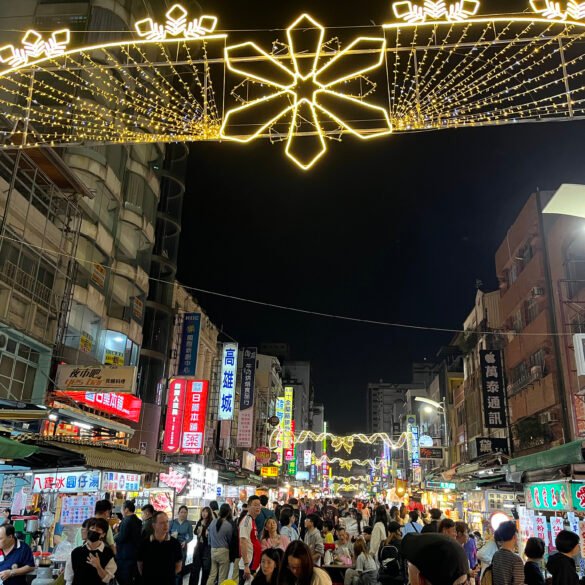
I assumed Taiwan would feel like China without communism. On some level, I expected the same food, the same culture, the same religion, and the same language, just with a bit of democracy sprinkled in. What we found surprised both of us. We walked down streets with Dutch names, passed houses built in Japanese architectural styles, admired Portuguese-inspired ceramic tiles decorating old walls, wandered night markets reminiscent of Thailand, browsed Austronesian Indigenous crafts, and saw modern art and architecture that felt closer to the Netherlands than East Asia. And the food was unlike anything we had tried before.
Modern Taiwan is not little China, no matter how much big China wants you to believe that. The island has been shaped by colonization and migration and influenced by cultures from around the world. As we traveled around Taiwan, we slowly learned the history of various migration waves, which have shaped the island’s cultural identity.
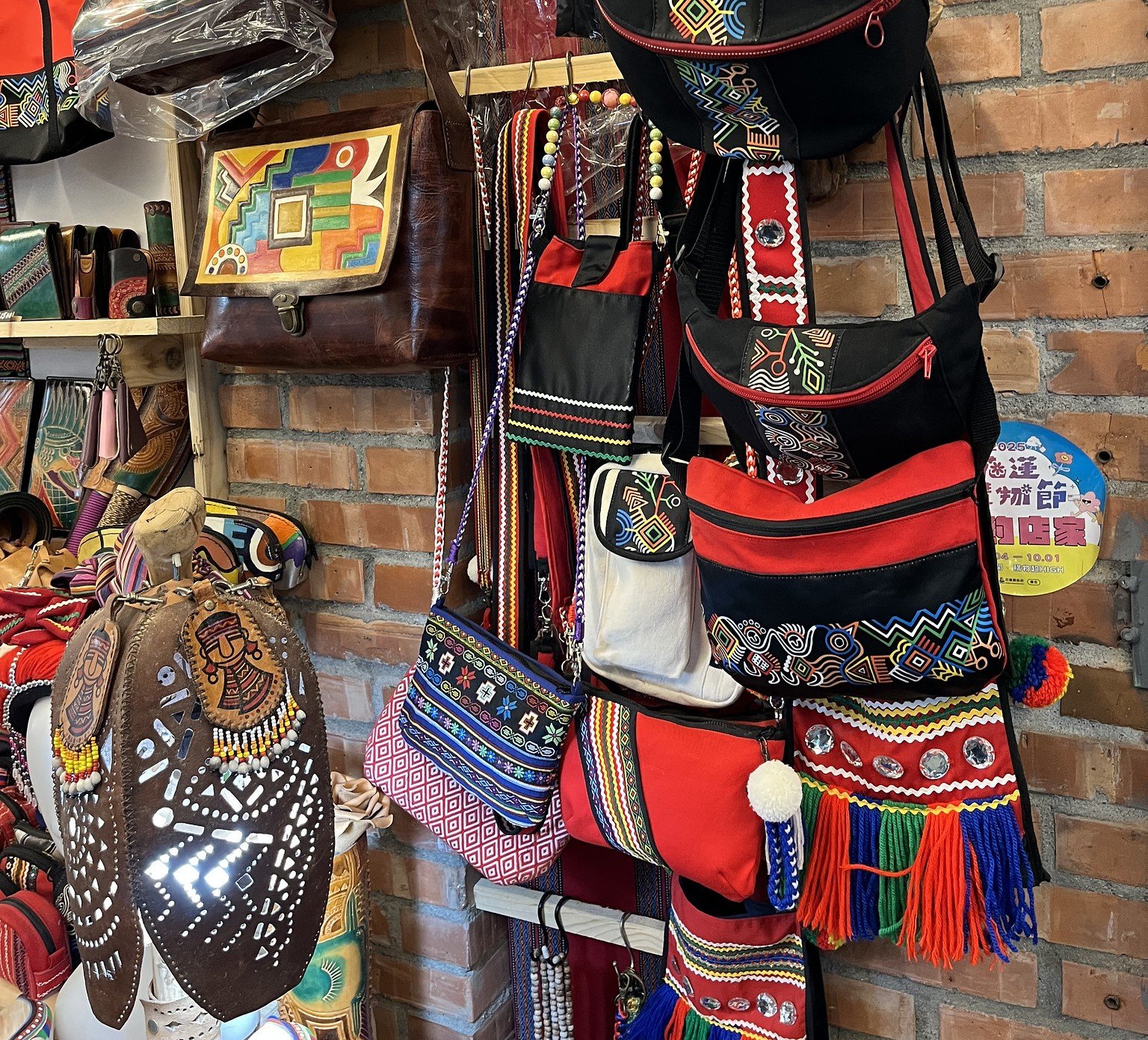
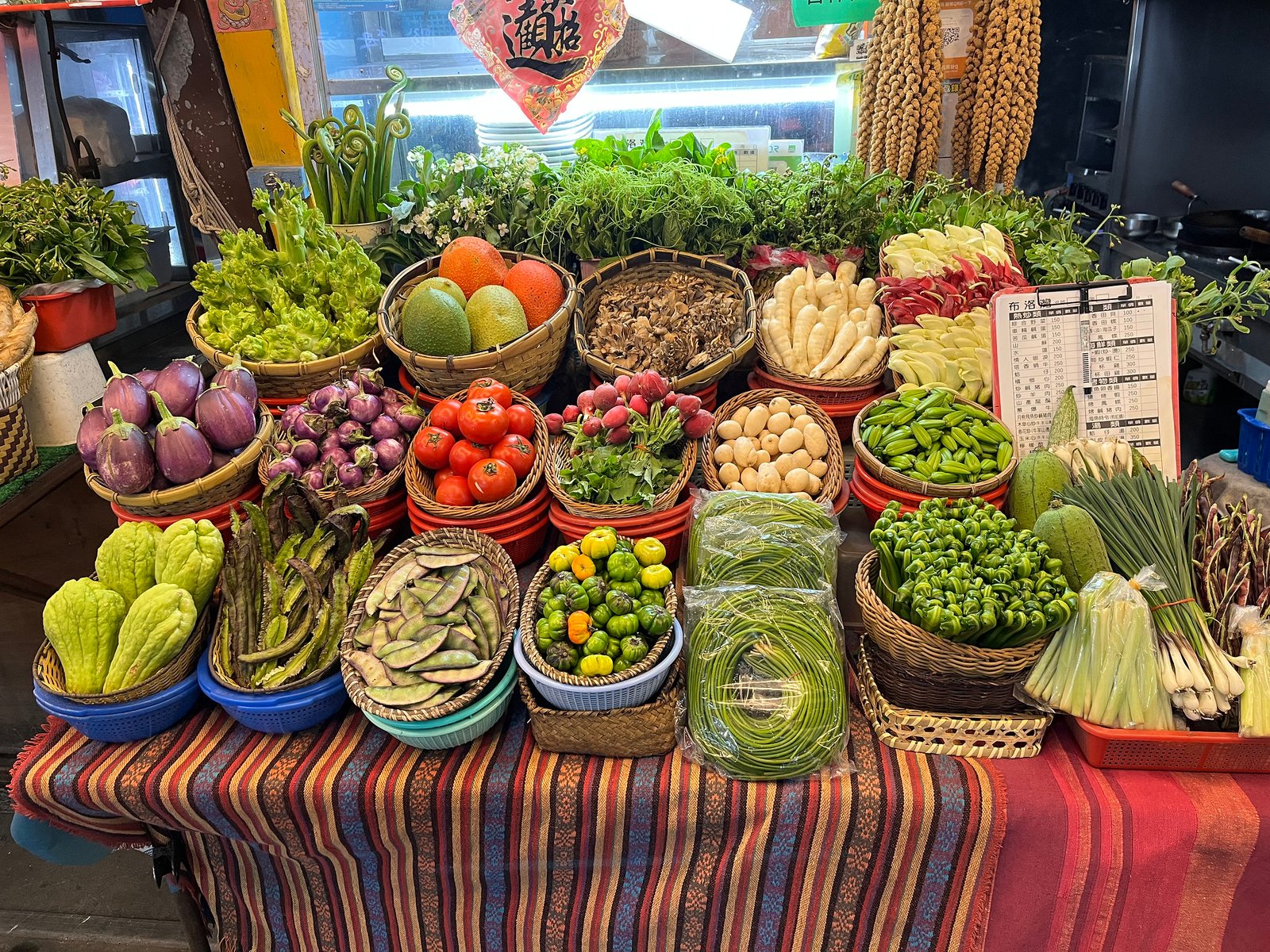
It all began thousands of years ago with indigenous peoples, whose descendants today primarily live in Taiwan’s central mountains and along the eastern coast. There are now 16 officially recognized Indigenous groups, including the Amis, Atayal, Paiwan, Bunun, and Tsou, each with distinct languages, traditions, and cultural identities. We were lucky to visit the east coast and spent four days exploring the region’s dramatic landscapes, sampling Indigenous food at night markets, and browsing local craft markets.
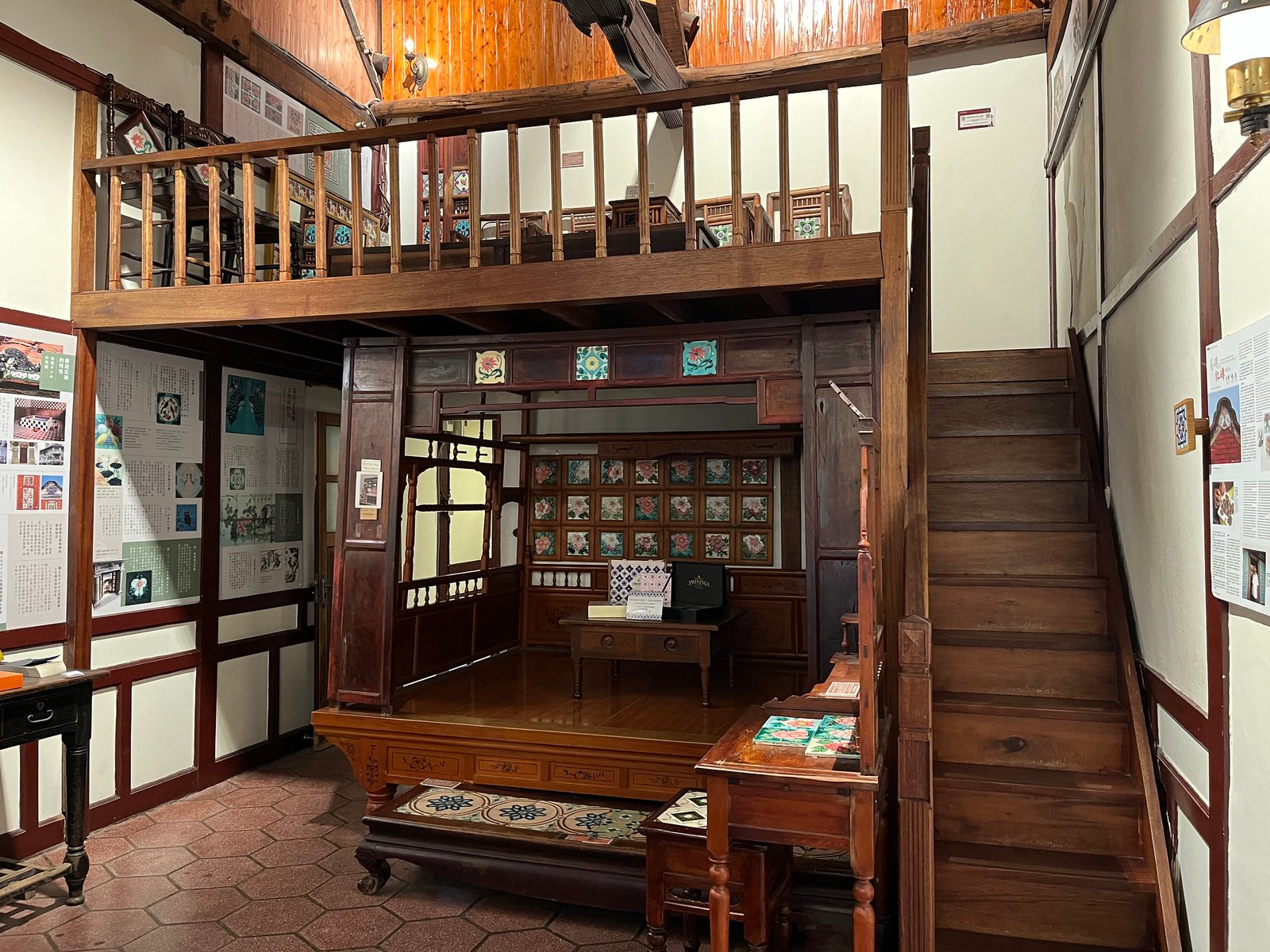
At the end of the 16th century, the Portuguese named the island Ilha Formosa (“Beautiful Island”) but did not colonize it. Their cultural legacy, particularly the art of tilework, found its way to Taiwan much later via colonial trade and through Japanese influence. We learned a bit about it in Chiayi, where we visited the Museum of Ancient Taiwan Tiles and spent several hours admiring incredible decorative tiles in an old, restored merchant house.
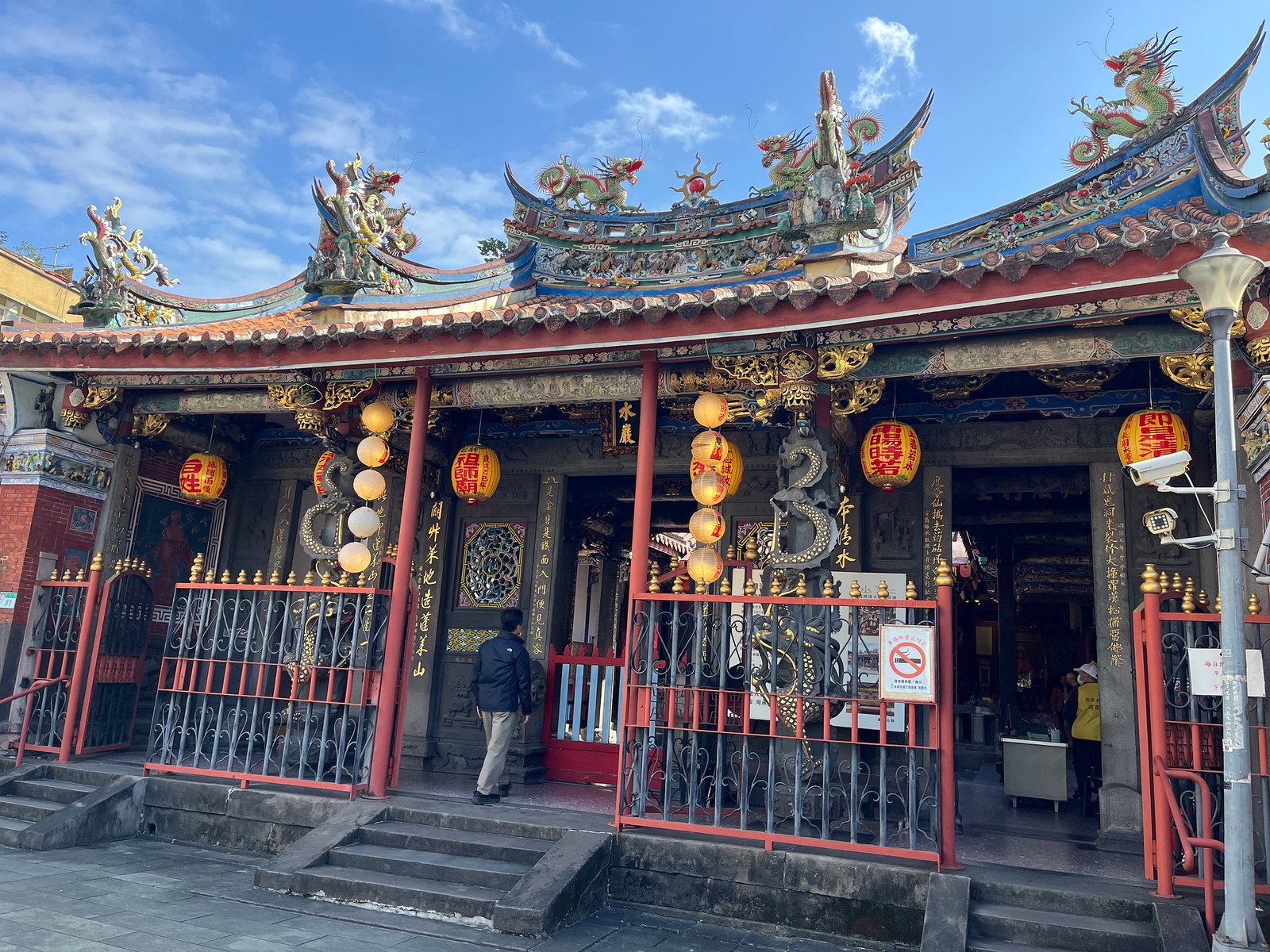
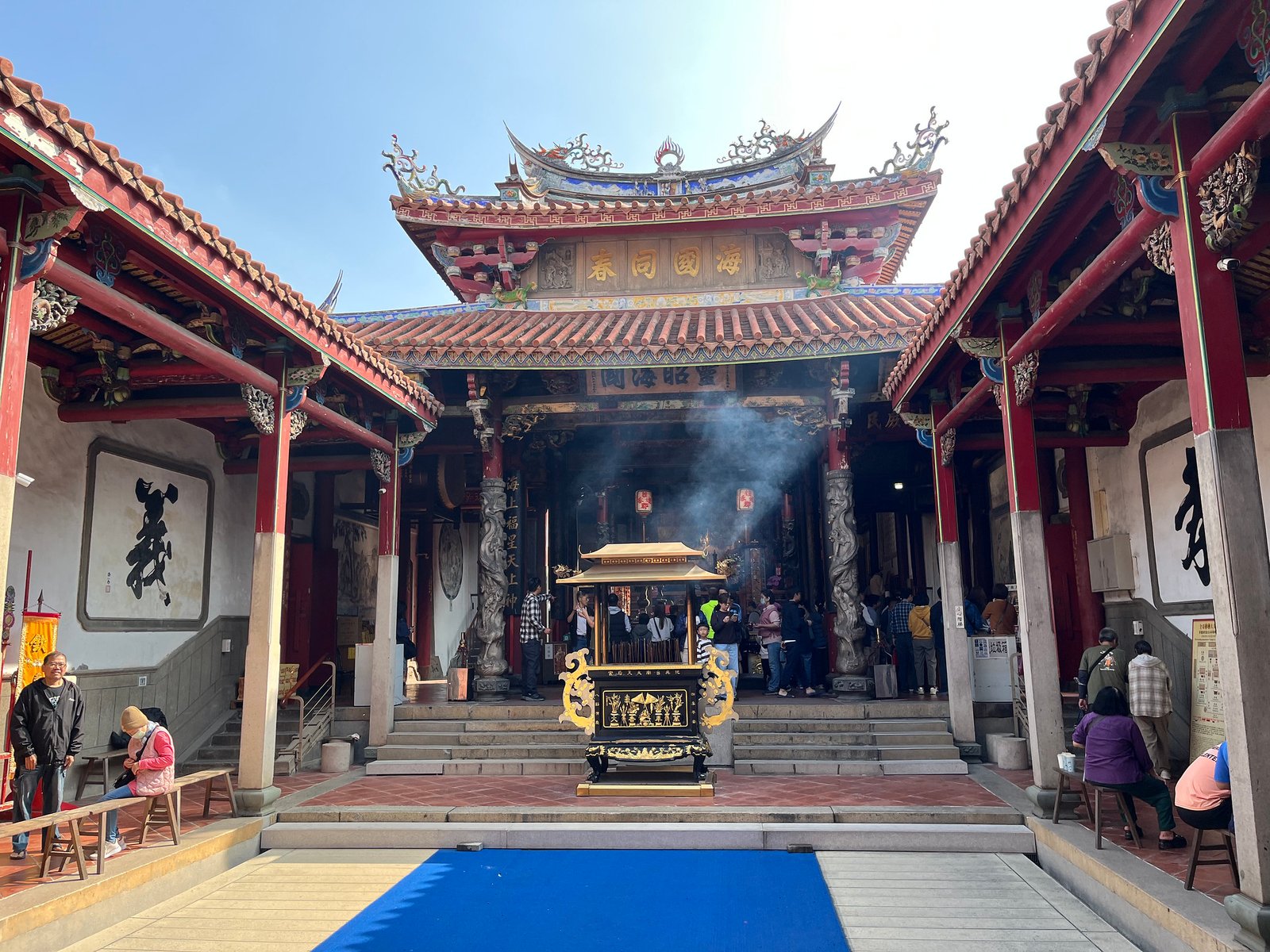
In the 1600s, the Dutch and the Spanish established colonial outposts, introducing large-scale trade and migration from China. The migration was primarily from the coastal provinces of Fujian and Guangdong. The newly arrived migrants brought their own agricultural practices, languages, religious traditions, and food culture that is still flourishing in Taiwan today. The Taoist temples with decorated courtyards, swallowtail roof ridges, and carved stone dragons are all traditional buildings from Han Chinese migration. We spent a lot of time learning about local religious rituals inside colorful and highly ornamented temples sprinkled through the streets of Taipei and Tainan.
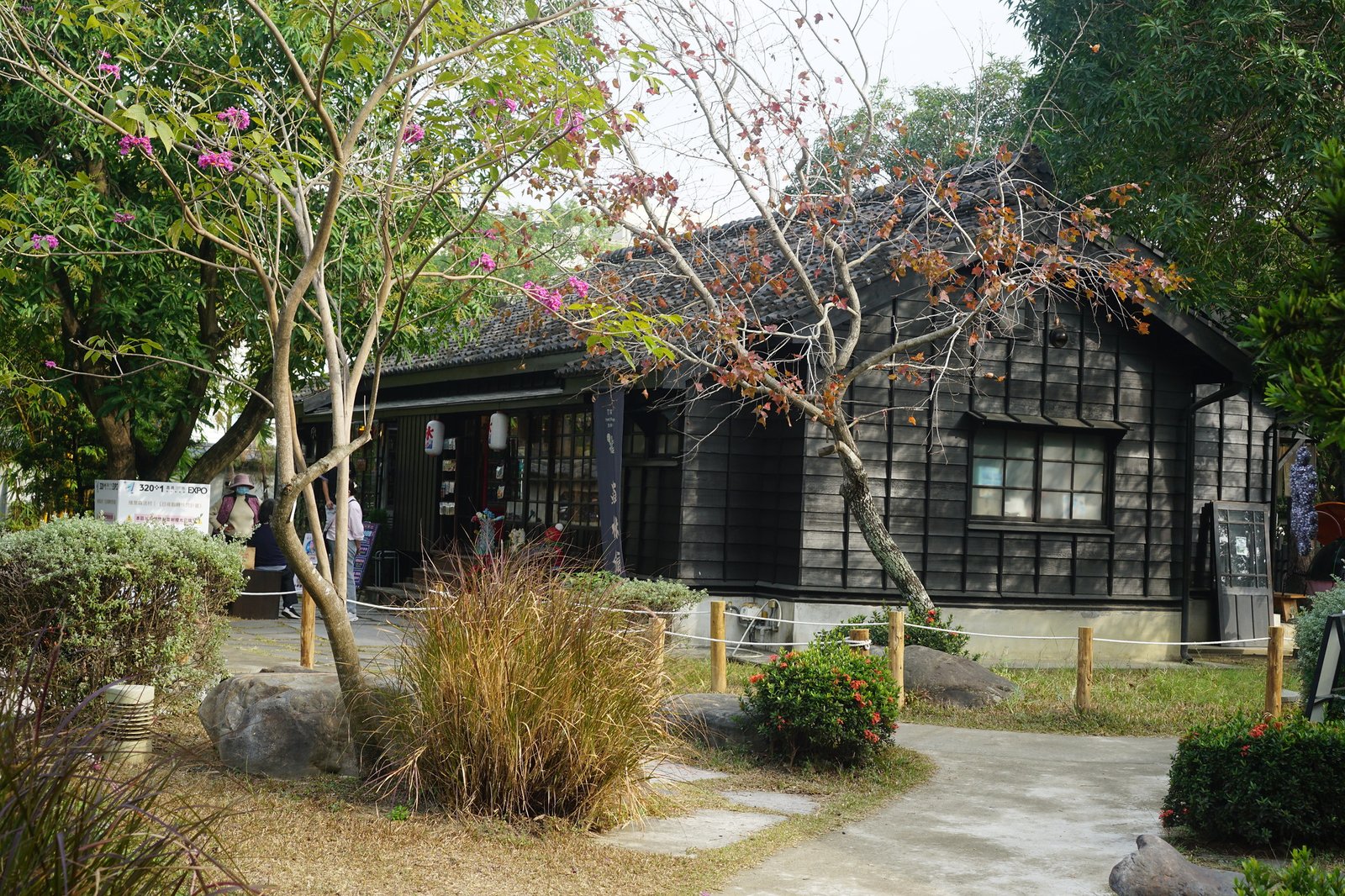
The Qing Empire took control in the late 1600s and governed Taiwan for over two hundred years, until it was ceded to Japan after the First Sino-Japanese War. Under Japanese rule, Taiwan underwent rapid modernization and is still very visible in railways, government buildings, and occasional wooden Japanese-style houses. In Taipei, we wandered through historic Japanese-era streets lined with merchant homes, visited former government buildings, and soaked in onsen-style hot springs in Beitou that were originally built during the occupation.
After World War II, Japan relinquished control of Taiwan to China. Then, following the Chinese Civil War, the Republic of China government retreated to Taiwan while the People’s Republic of China took control of the mainland. Roughly 1.2 to 2 million people fled to the island with the Kuomintang government. These migrants came from across China and brought Mandarin as the official political language, reshaped elite institutions, and heavily influenced Taiwan’s postwar military and political culture. The country then endured decades of martial law before beginning a peaceful transition to democracy in the late 1980s.
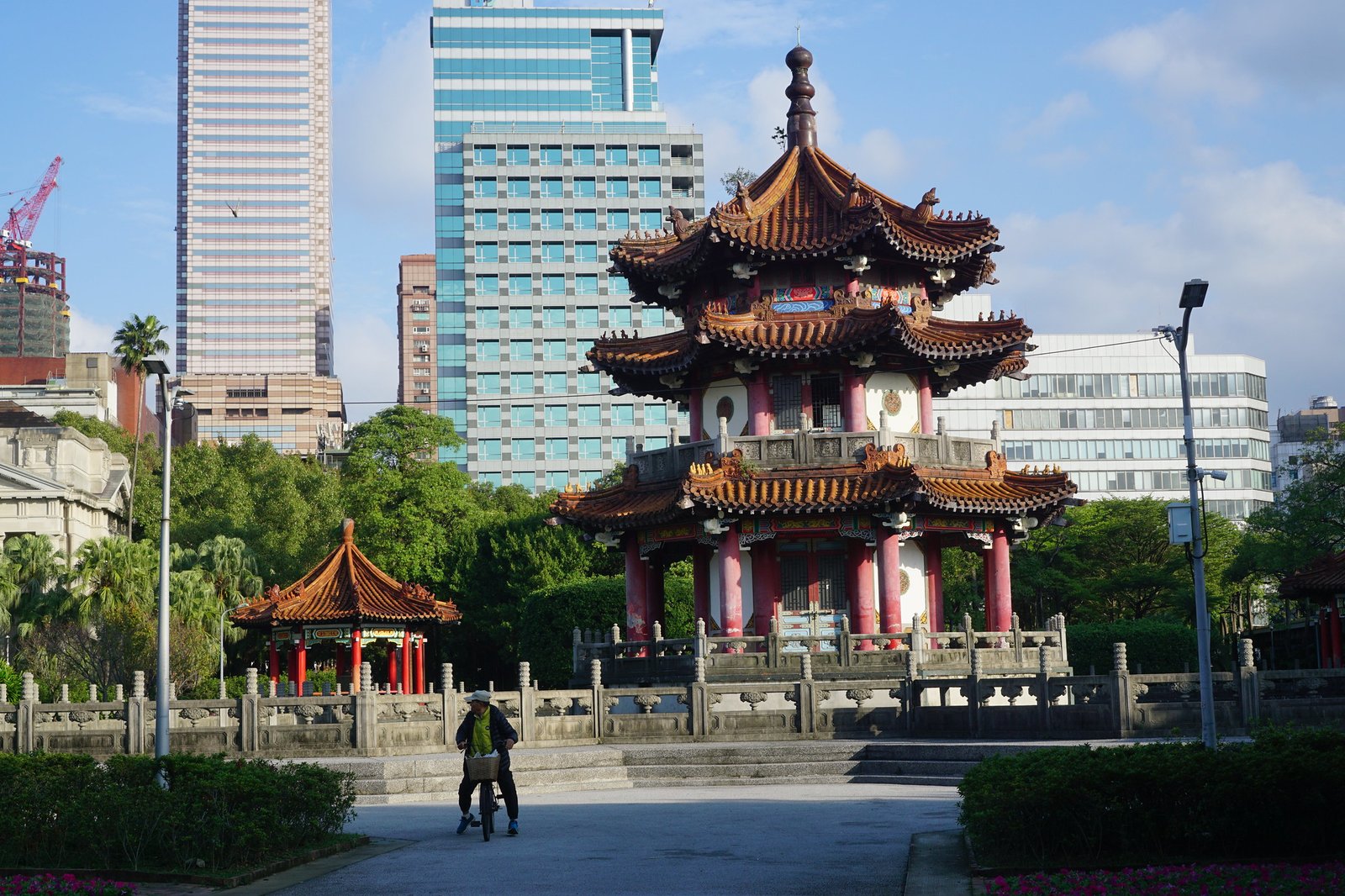
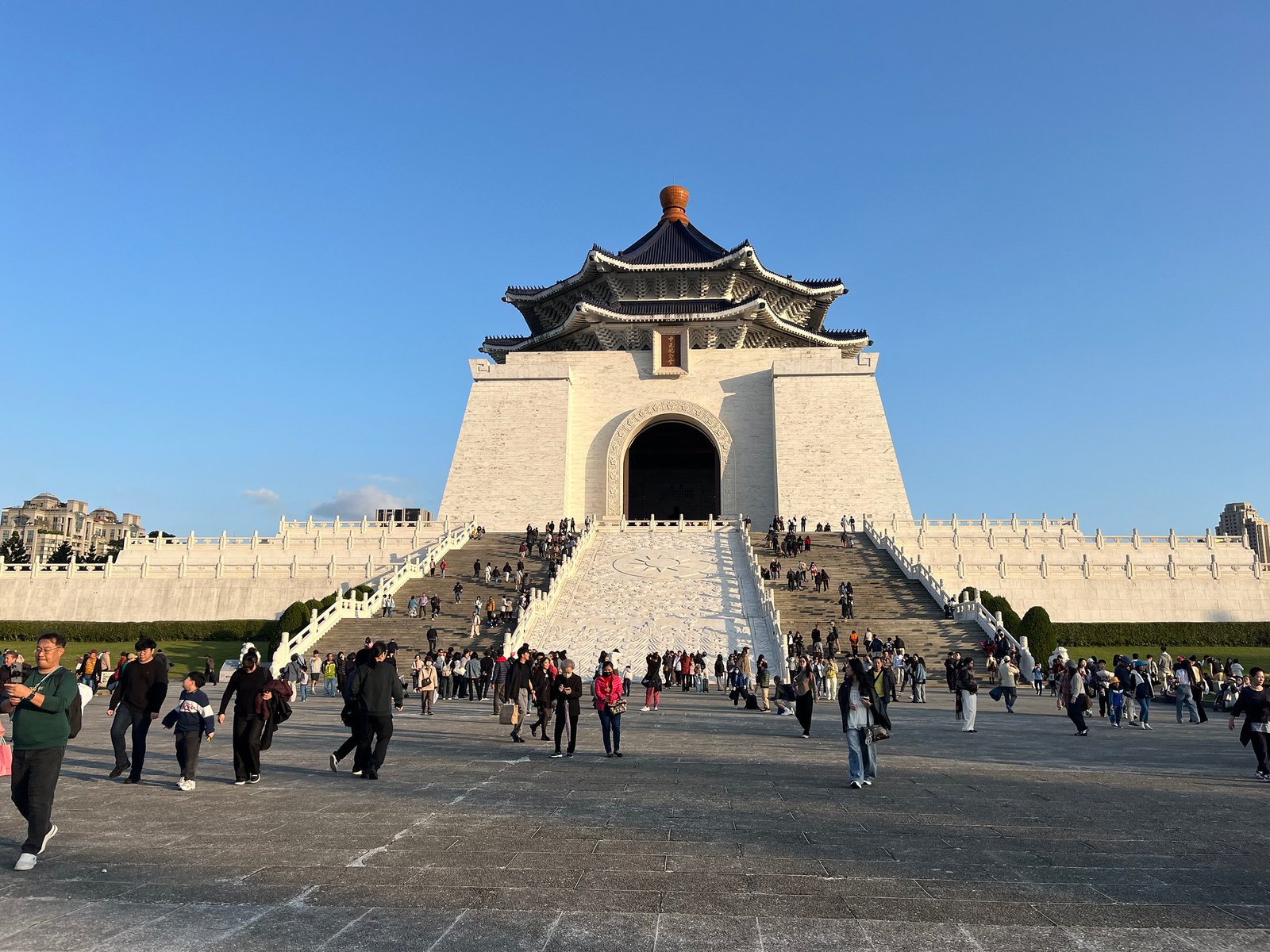
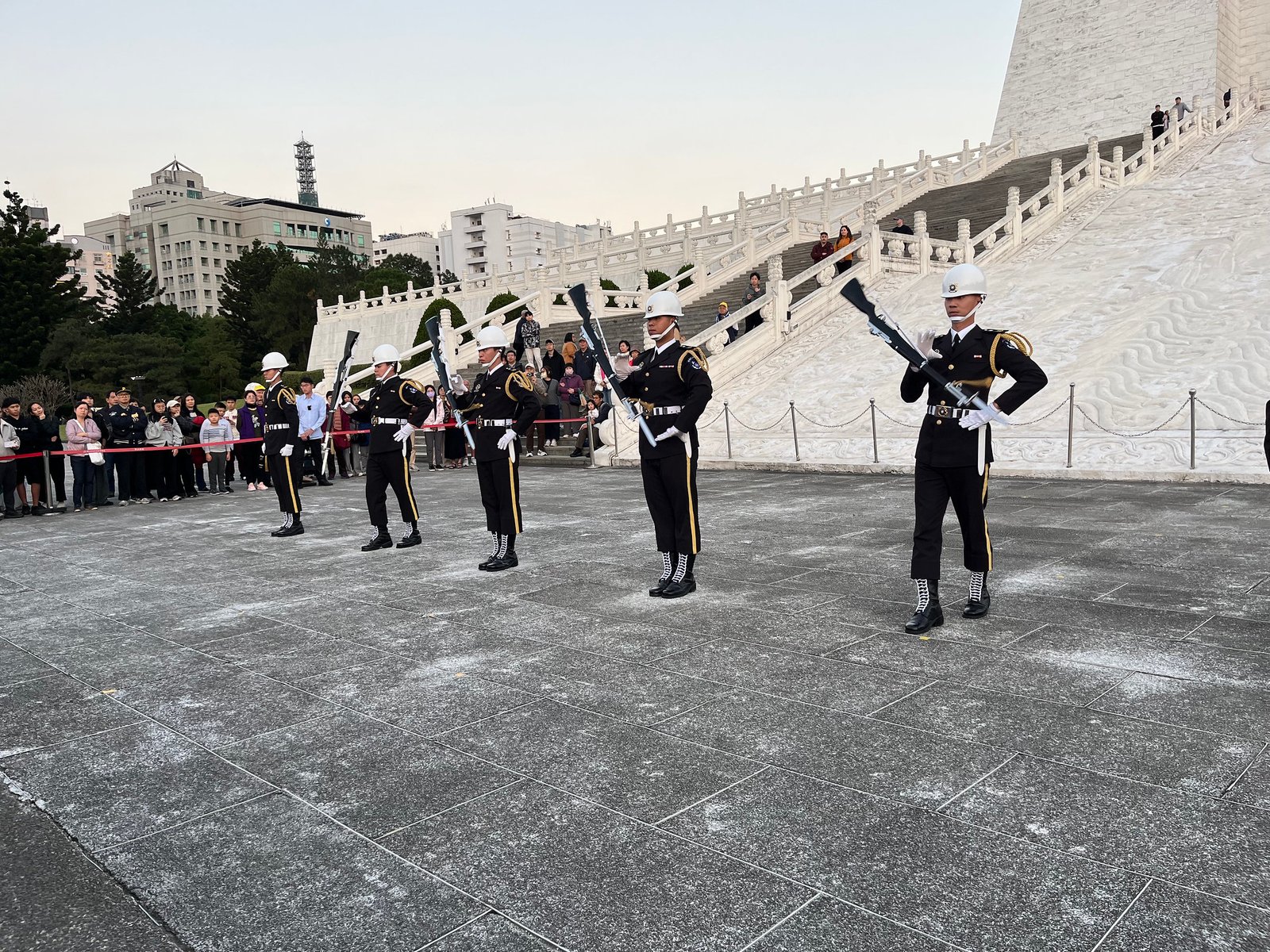
We saw this turbulent chapter of history firsthand at Taipei’s 2-28 Peace Memorial Park, a quiet green space built on the site of the uprising that marked the beginning of decades of authoritarian rule. Inside the nearby memorial museum, personal testimonies and archival photographs document the violence of the White Terror period and the long struggle for political freedom. We also visited the Chiang Kai-shek Memorial Hall, a monumental complex dedicated to the former leader of the Republic of China, with a vast ceremonial plaza, changing-of-the-guard rituals, and an imposing marble hall that reflects the era of strongman politics. These two sites stand in stark contrast, reflecting the competing narratives that remain deeply embedded in Taiwanese politics.
I went into this trip assuming Taiwan would feel like a continuation of our travels in China. I did not expect what we found - an island with a complex identity shaped by Indigenous heritage, Chinese migration, Japanese influence, and modern global connections. While it’s the political status and relationship with China that remain constant topics in international headlines, there is so much more to Taiwan. And I can’t wait to tell you all about it.