

We were standing in a giant store where every wall was covered with floor-to-ceiling shelves, displaying thousands of cans of sardines.
“Is this… a sardines store?” Julia asked no one in particular.
Her question echoed off endlessly stacked cans and down the airport hallway.
We had arrived on an overnight flight from Chicago to Madrid, spent a few sleepless hours wandering the Madrid airport, and now, a few hours later, finally deplaned in Lisbon. Stumbling toward border control, zombie-style, we suddenly found ourselves… Where were we exactly?
“This is a duty-free zone.” I said, “There are sometimes these duty-free stores before border control.”
“THERE IS NOTHING HERE BUT SARDINES!” Julia yelled.
“Duty-free sardines,” I said. “Welcome to Portugal.”
We wandered around the store, examining bright and colorful cans of edible souvenirs, labeled with years going back to the early 1900s. There is something very disconcerting about eating sardines out of a can, gaudily labeled "1945", as it looks too much like the “sell by” date. On the other hand, gifting someone born in 1983 a can of sardines with “1983” on it is much easier than straightforwardly telling them, “I remembered that you like weird food AND I know exactly the year you were born. Here’s a fish-based reminder that you are getting old.”
A woman born in 2000 was currently watching our two cats in Chicago.
“Should I get her a can with "2000" on it? asked Julia, juggling multiple flamboyant cans.
“She’ll wonder why you are rewarding her with cat food,” I remarked while staring at cans labeled with early 1900s years. It must be unfortunate to be alive for so long and get rewarded for it with a can of sardines.

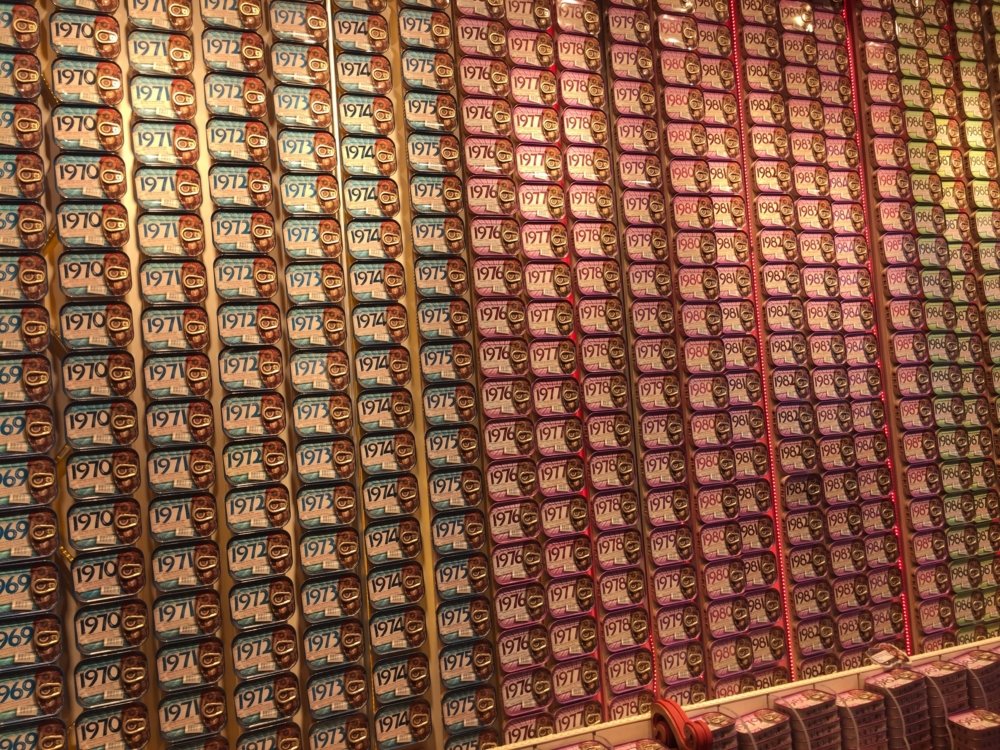
As we walked around the store, our heads spinning with all this sardine paraphernalia, we slowly started to realize that sardines are kind of a big deal in Portugal. After getting a little bit dizzy from bright lights in the store and colorful cans, it was time for us to officially enter Portugal, so we headed toward border control. Or we thought we did.
Lisbon Airport is confusing. The signs are sporadic and not particularly helpful. We followed the signs, but after making one turn after another, we soon lost the signs and navigated relying only on my sleep-deprived sense of direction. After walking in circles for 15 minutes and not finding the exit, Julia started to get nervous, but I kept assuring her that it was just around the corner. When we finally made another turn, we immediately bumped into … the entrance to the same enormous sardine store.
I sighed.
Julia cursed.
We felt as if we were trapped in this airport like sardines in a can.
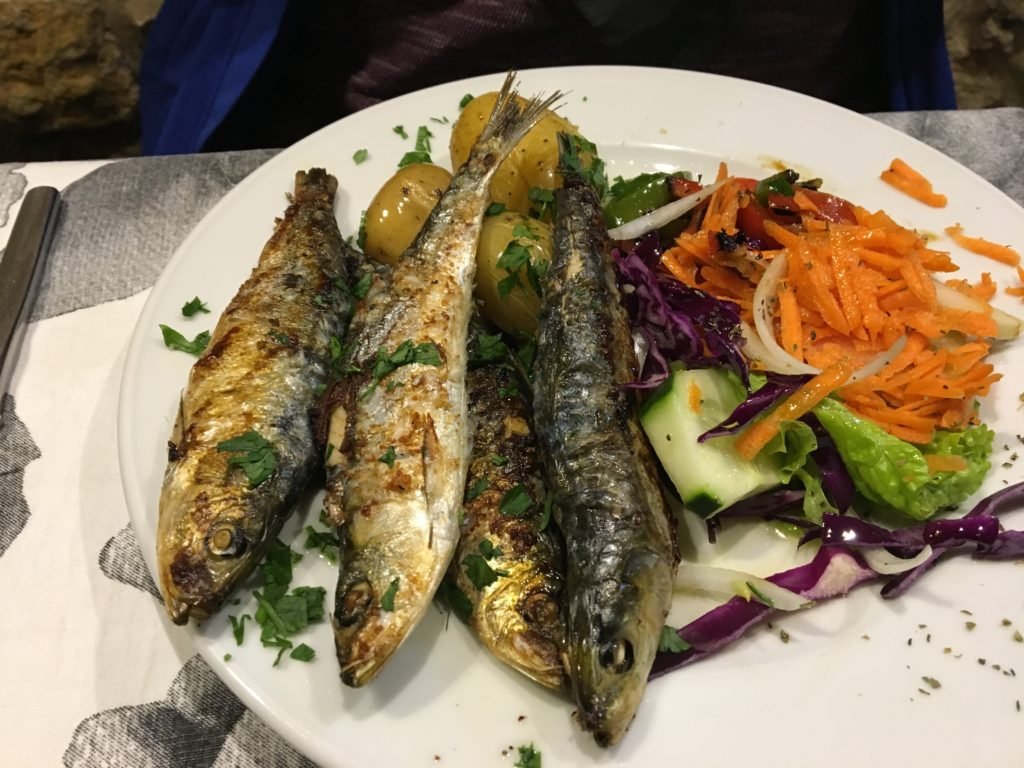
But yes, sardines are a big deal in Portugal. Local economy and cuisine depend heavily on them. You can find sardines in local dishes, cooked in a number of ways, and served with different sides in local restaurants. Just so you understand the importance of sardines to the local economy, we saw reports on local TV channels covering daily sardine catches and other sardine-related news. People in Portugal take their sardine news as seriously as the news about any upcoming games between Benfica and Porto.
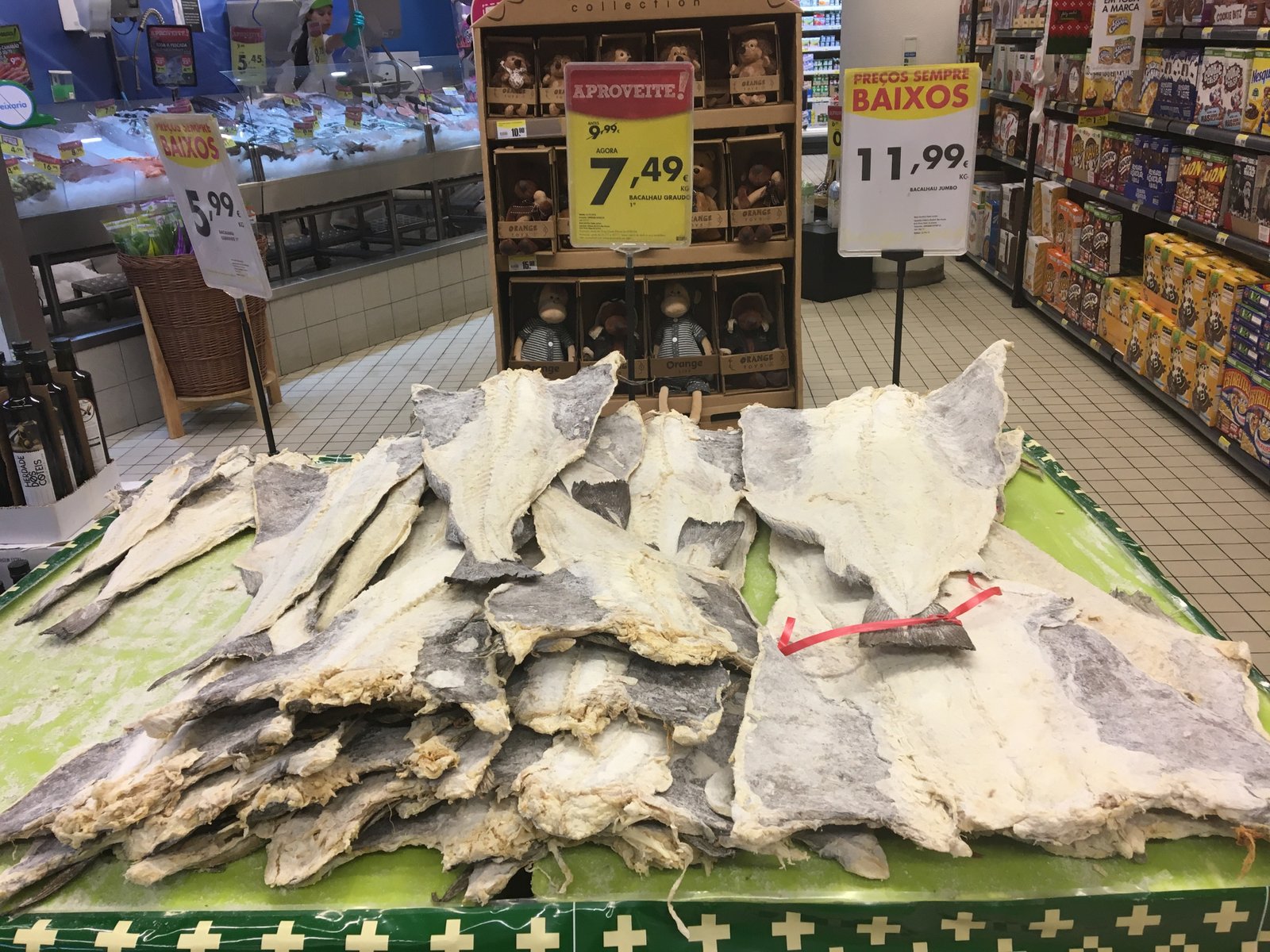
The iconic dish of Portugal, however, is made not from sardines but salted and dried cod. Bacalhau, as it's known here, is quintessentially Portuguese. There are hundreds of recipes and ways to cook it. We saw giant fillets of salted and dried cod in grocery stores available for purchase, and locals were buying them to cook at home.
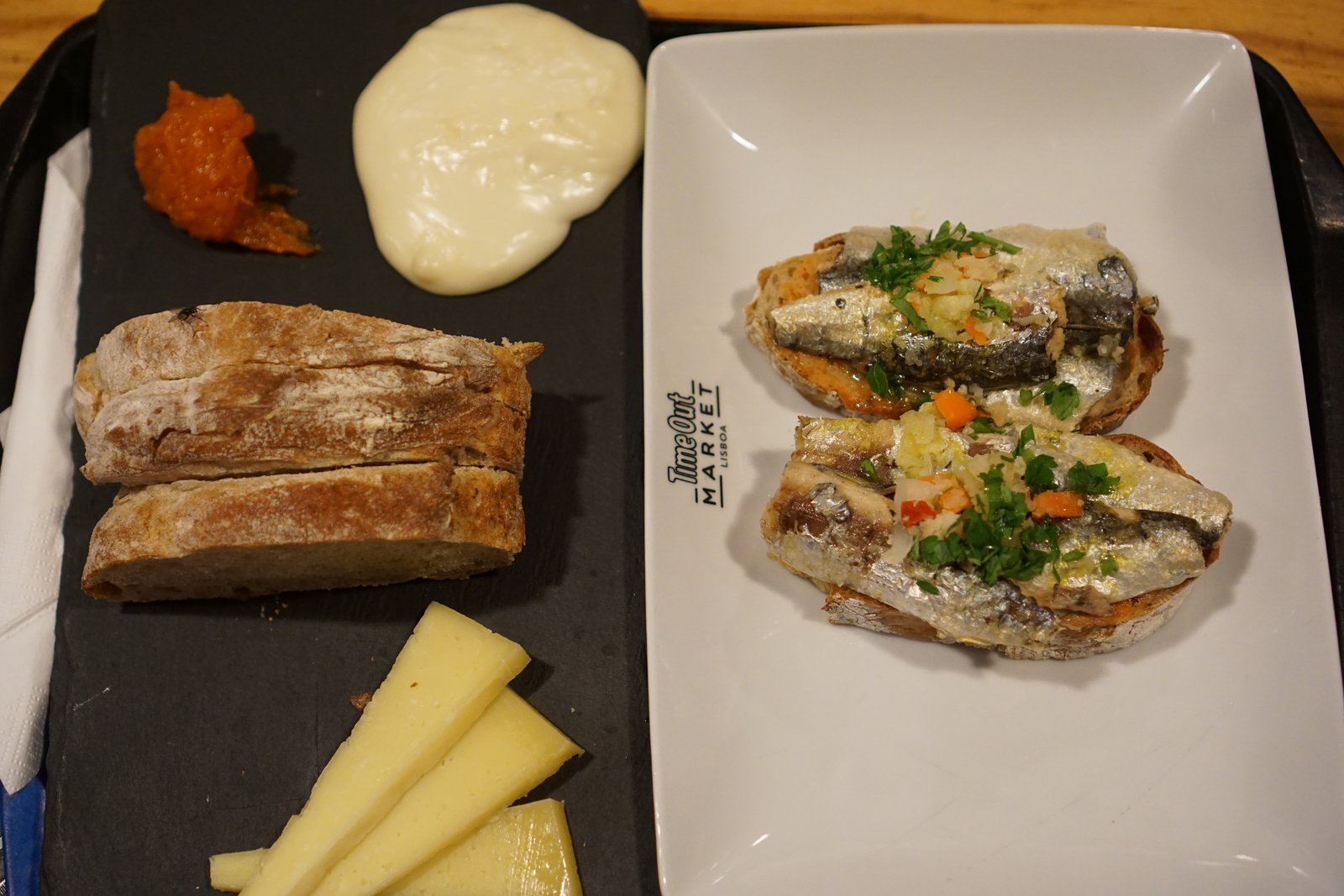
Chasing local experiences, we decided to try bacalhau in an upscale restaurant on the first full day in Lisbon. The meal was beautifully served and looked appetizing, but it took me only one bite to realize that it was absolutely inedible. It tasted so bland, as if I were chewing on shredded paper. After another bite, I immediately reminded Julia that we had agreed to share our dishes and requested half of the sardine sandwich. Julia ate her portion of bacalhau in total silence, angrily eyeing the quickly disappearing sardine sandwich on my plate. She later said the entire experience was one long internal debate on whether it was worth simply abandoning it and ordering something else or continuing to give bacalhau another chance. In the end, bacalhau won on a technicality—she ate most of it, but it simply never got better. We just sat there in this classy establishment with a plate of mediocre and barely edible salted cod and wondered, “Is this why nobody really cares about Portuguese cuisine?”
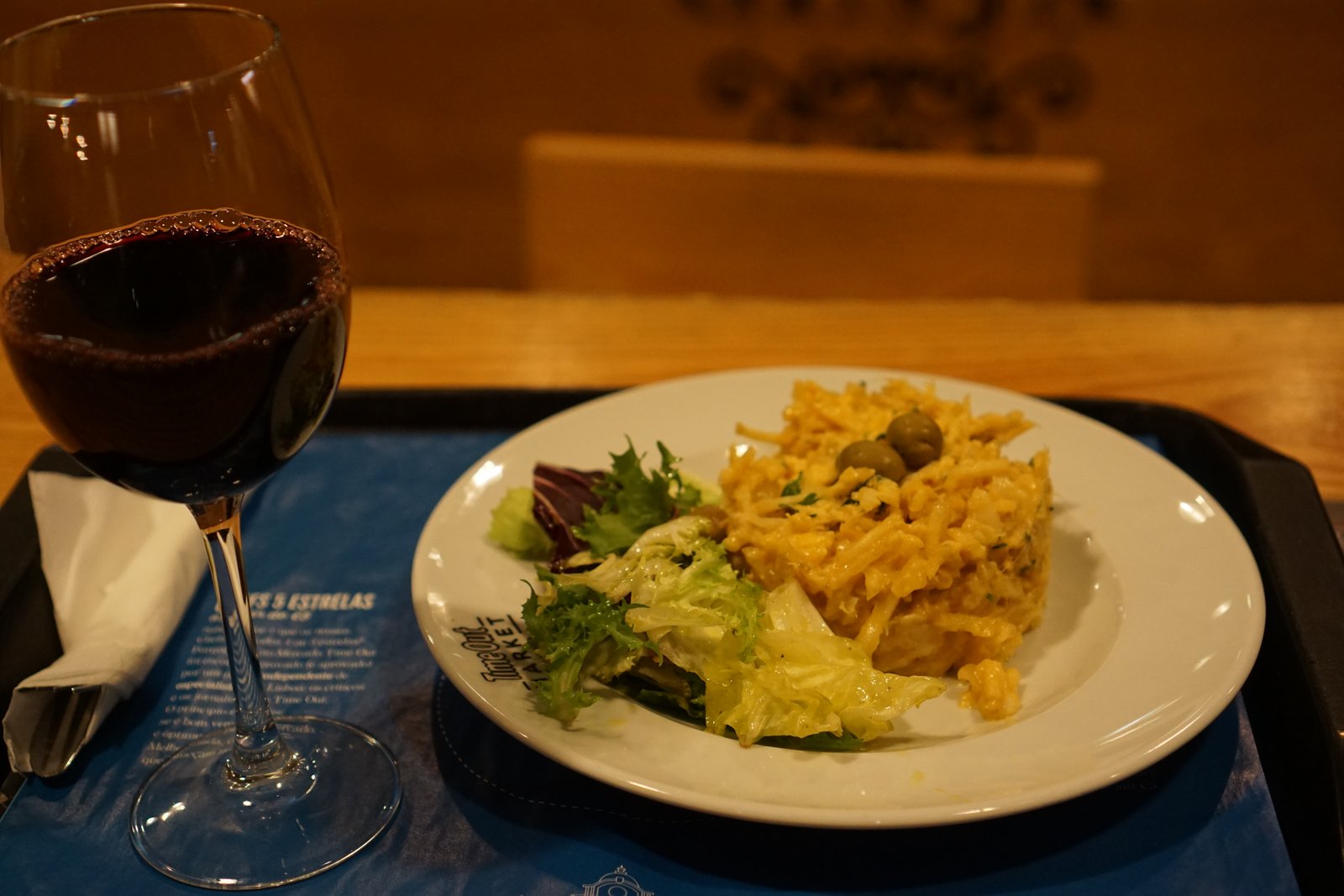
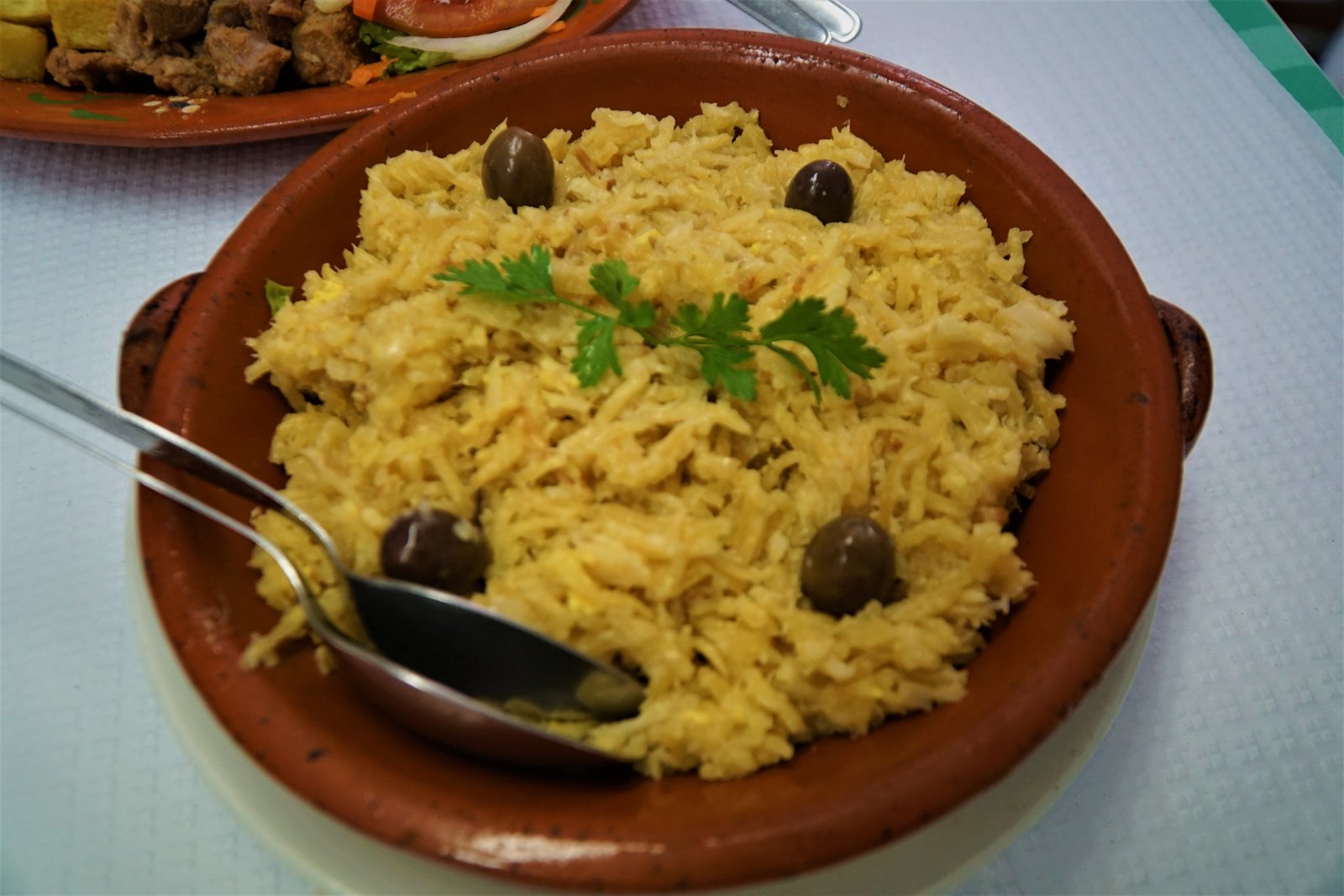
We did give bacalhau another chance. On our last day in Portugal, on the way to the airport, we stopped in the town of Mafra for lunch. We found a tiny mom-and-pop food joint, as authentic as it gets. The menu was in Portuguese, and the staff didn't speak any English. Not sure what to order or how to even read a menu, we saw a familiar word, “bacalhau” in it. Although we hated it on our first day, we decided to give the dish another try. And surprisingly, it was much better this time. It was cooked like creamy mashed potatoes with a fishy aftertaste. As I mentioned above, there are hundreds of recipes for bacalhau. This one was cooked as home-style comfort food and even reminded me of my mom’s Eastern European cooking. Who knows, had we stayed in the country longer, the dish probably would've grown on us even more.
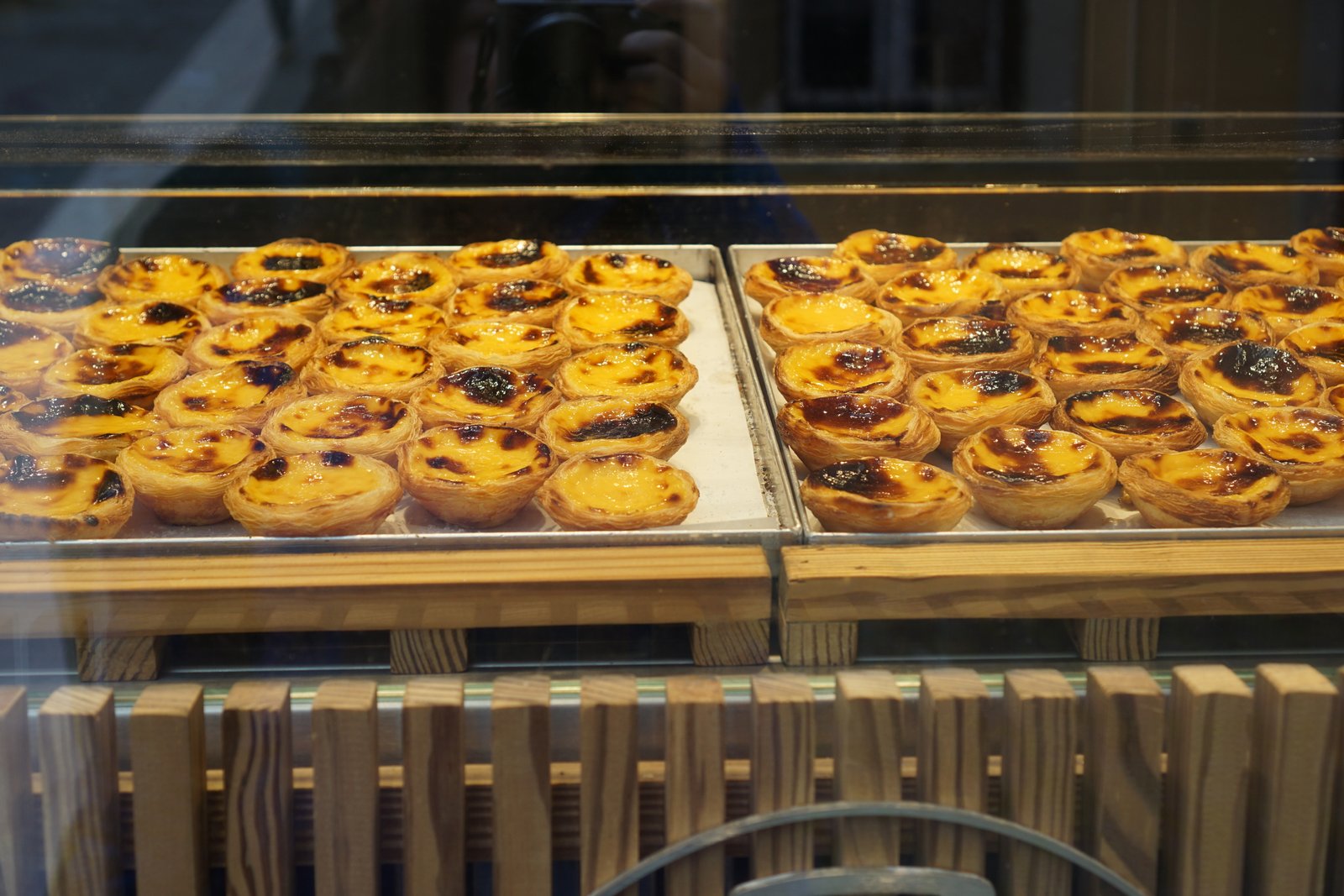
Our favorite Portuguese food was pastel de nata, a delicious custard tart with an unmistakable yellow top sprinkled with cinnamon. We ate it for breakfast, lunch, and as a late-night snack. The tart goes well with coffee and was our go-to food. We had it in every town we visited and even had an unofficial contest for the best version and cast our votes in Lisbon Airport on the way out of the country (my favorite was from the city of Evora). On every single day, we ate between 3 and 4 pieces per person. Each of us ate between 20 and 30 custard tarts during our 8-day stay in Portugal. Despite its small size, each pastel de nata has approximately 400 calories. You can do the math yourself on how many calories we consumed by eating this delicacy alone. All those extra pounds that we brought back home came primarily from this delicious treat.

For all eight days, Portugal tried really hard to impress us with its food. By the end of the trip, its cuisine had grown on us, and we had picked out our favorite meals. We even Googled whether there were any Portuguese grocery stores and restaurants in Chicago and discussed throwing a Portuguese-themed dinner party for our friends. But a ridiculous surprise was awaiting us in Madrid during our stopover on the way back home.
In Madrid, we had time only for one meal. Without having done any research, we went to the first restaurant that we saw. We ordered several tapas, a main course to share, and a dessert. The food that was delivered to our table was … how do I put it? ... phenomenal! Julia and I were looking at each other in total disbelief—this was the best meal of our trip! The food made us reminisce about our two weeks in Spain in summer 2010, when no matter what and where we ate, everything was delicious. Sitting in this random restaurant in a Madrid suburb, enjoying our last meal of the trip, we felt so bad for Portugal. Spain, in its typical move to undermine its neighbor, casually did it again. In a matter of one meal, Spain made us forget everything we ate in Portugal during the entire 8-day stay and had us returning to the U.S. to blab to our friends about that amazing restaurant by the Madrid airport.
For the record, we still like Portuguese cuisine and highly recommend it to everyone. Just don’t go to a Spanish restaurant after that.