
The first 24 hours in Asia are crucial.
This isn't an easy 4-hour flight to Mexico City, where we get out of the airplane and hit the ground running, only occasionally stopping to marvel that just a few hours ago we were at home. It doesn't have a mere 6–8 hour time difference like between the U.S. and Europe, where one good night's sleep will reset us to the new time zone and we'll be full of energy.
The trip to Asia takes around 20 hours, possibly more depending on the length of the layover, and every time we arrive physically and mentally exhausted. The time difference is 13-16 hours, flipping our entire day upside down, where day becomes night and night becomes a waking nightmare of restlessness and anxiety that this lack of sleep will ruin our entire trip. Despite all that, we never gave ourselves time to rest and adjust, filling our first day's itinerary to the brim with museum visits and sightseeing. After all, we're here for a limited time and there's so much to see, we can't afford to lounge around.
On top of this, the first days of any Asia trip would usually be in the country's largest city, where the international airport is. Tired from the long flight and running on lack of sleep, we'd be dropped in the middle of a giant loud city, confused by erratic traffic and overwhelmed by linguistic and cultural differences. In Bangkok, we spent so much time dodging tuk-tuks and motorcycles in our attempts to figure out how to cross streets, I was sure I wouldn't survive that first day. Beijing greeted us with heavy air pollution, blaring street noise, and almost complete inability to communicate with locals. Our internet was blocked, and the hotspot I ordered didn't arrive until the next day.
On top of this, these big cities' must-see attractions were always national museums with a heavy focus on local history. And if you know anything about Asia, you know that history ranges from mildly depressing to absolutely brutal "losing faith in humanity" kind of stuff. This is how we ended up in the Tuol Sleng Genocide Museum and the Killing Fields in Phnom Penh and in the War Remnants Museum in Ho Chi Minh City all within 24 hours of our arrival. And this is why we spent our first evenings thoroughly depressed, overstimulated, and questioning our choice of destination and our abilities as travelers.
These issues would dissipate by the second or third day and we'd always go on to have a fabulous time, the horrors of the first days fading from our minds as if they never happened. But this time, traveling to Taiwan, we were prepared. We were generous with our travel plan and gave ourselves plenty of extra days in Taipei to allow for a slower start to the trip. Victor cut Kenting National Park on the southern tip of the island out of our itinerary entirely, giving us more time in both Taipei and Alishan.
The first morning, we woke up in our hotel and headed out to a breakfast spot I found on Google Maps that had great reviews. The wide streets of Taipei were surprisingly empty of cars and pedestrians. It was a lazy Sunday morning and very few businesses were open. Under the grey sky, the city looked abandoned, the facades of some older buildings dirty and crumbling, while newer-looking buildings were full of signs for Western chains: Starbucks, McDonald's, Subway. Not exactly exciting. As we got to the corner, we found our breakfast spot unexpectedly closed as well.
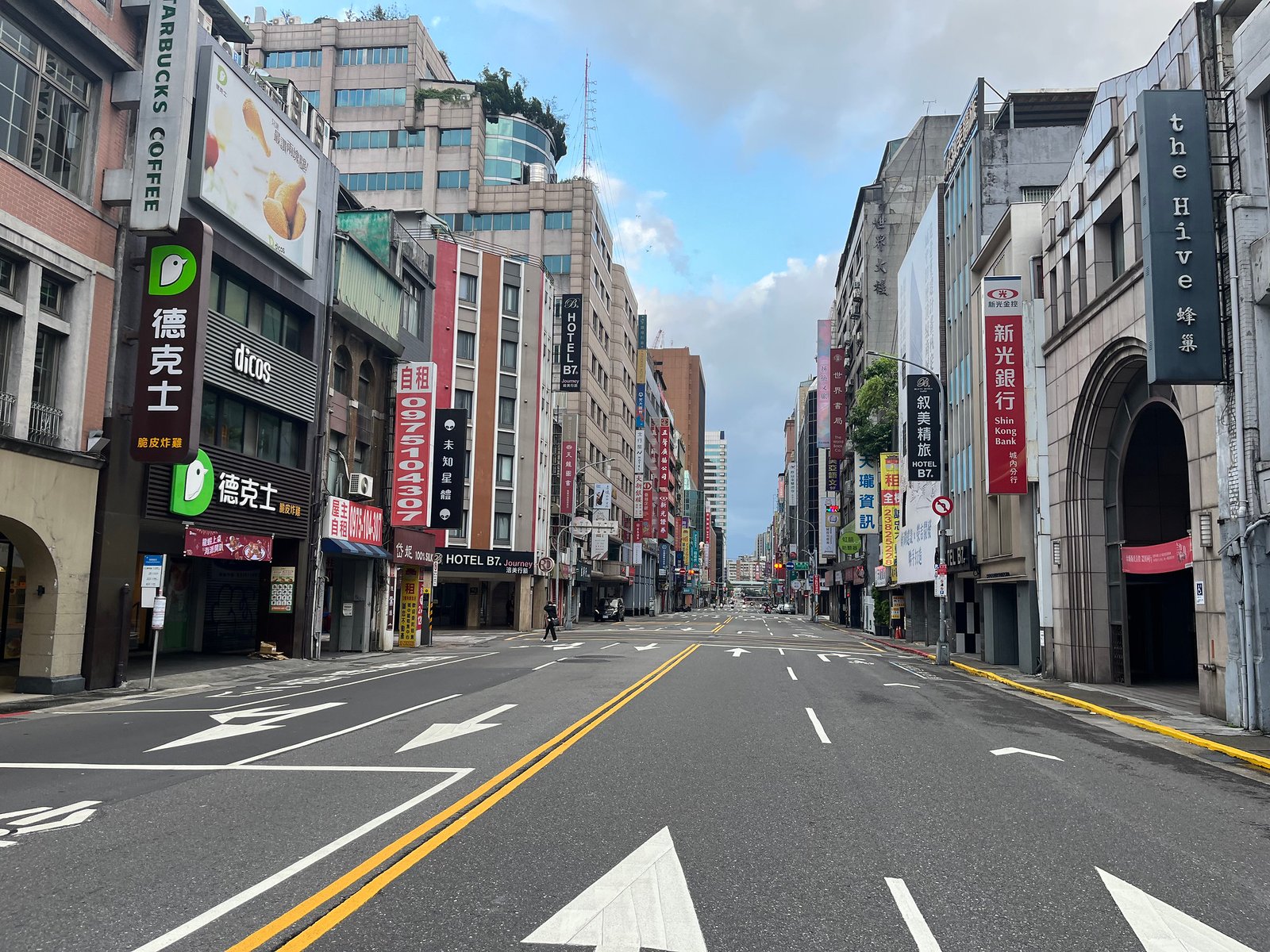
I'm not going to lie, my spirits were low. After a long, draining flight and a restless, short night, we were walking around a dreary city, our stomachs growling with hunger.
"Don't forget," said Victor reassuringly, "we have four more mornings in this city. We'll eat here another time. Let's go find another breakfast, we're in no rush. We can take it easy today."
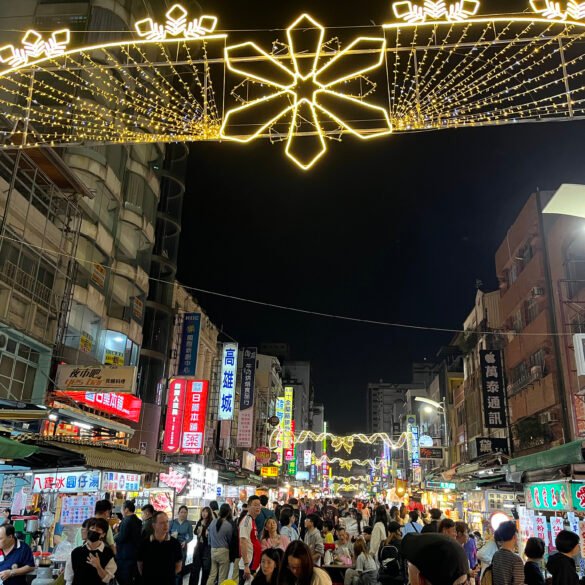
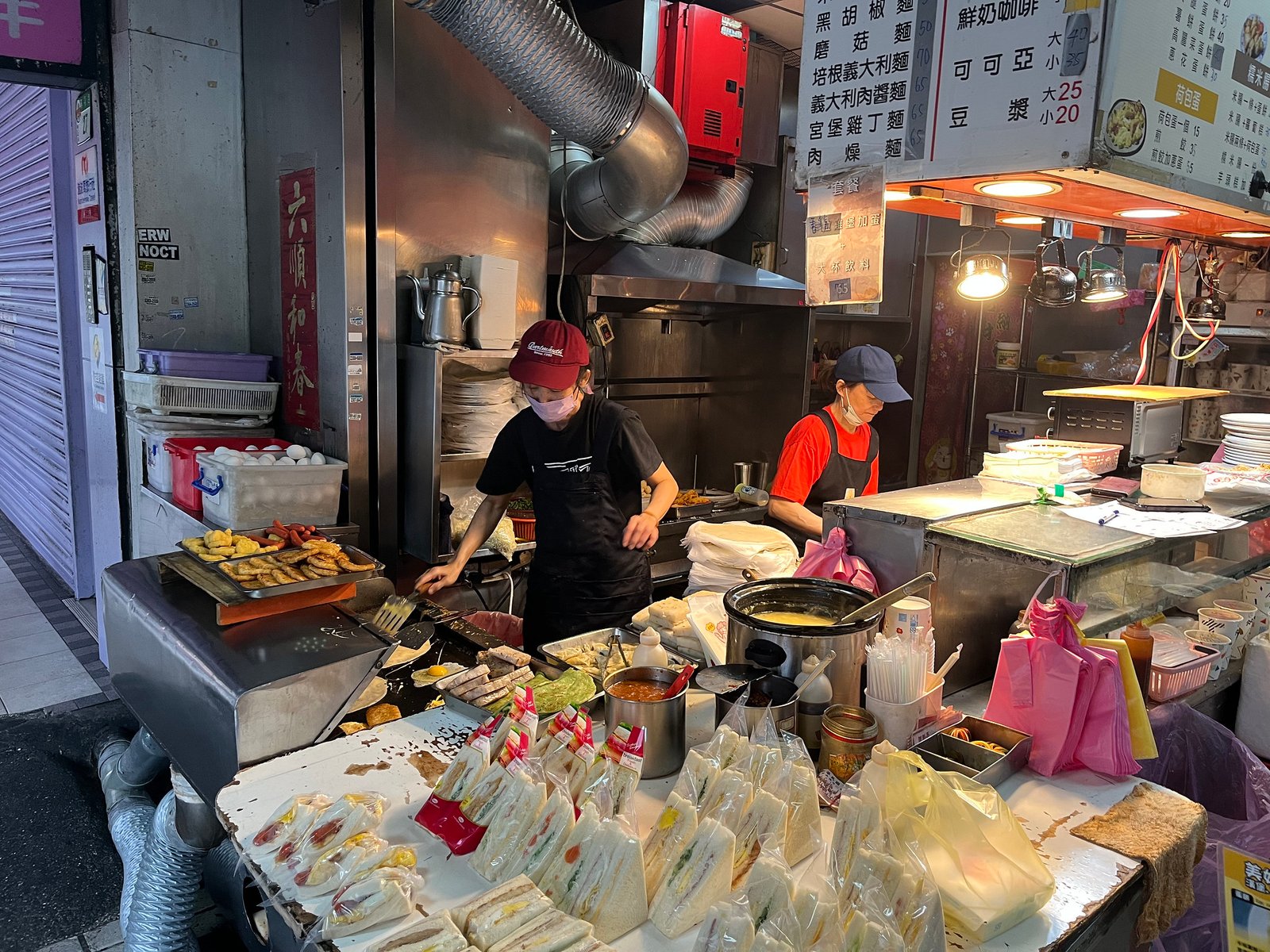
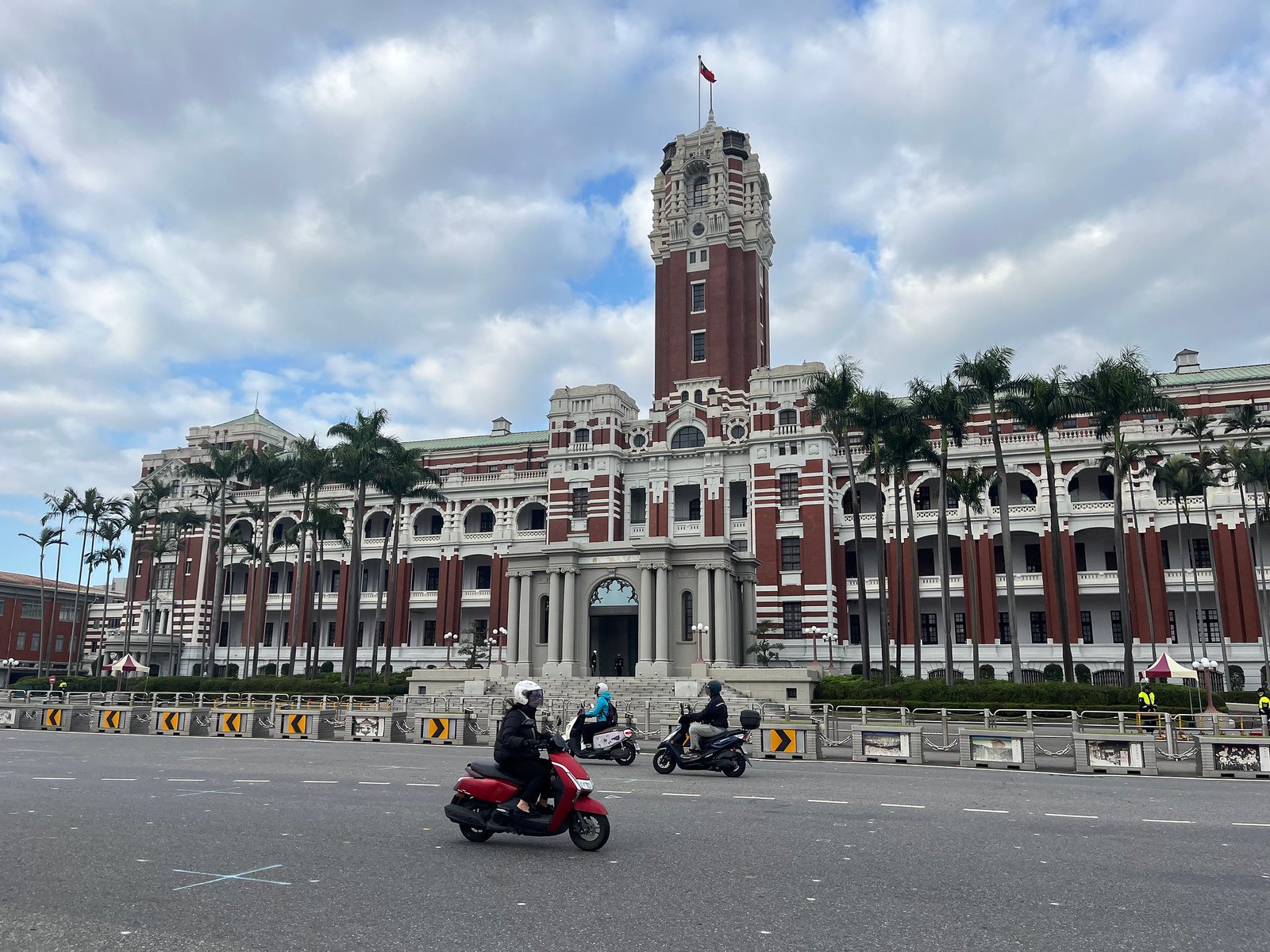
I nodded, feelings of unease dissipating. We headed back to our hotel, where we saw another small restaurant serving breakfast right across the street. As we had our first taste of Taiwanese food—crispy scallion crepes, fluffy sweet toast, and hot soy milk—the skies opened up, the sun started shining, and the clouds disappeared. Slowly, the city came to life. We spent the rest of the day strolling the streets and admiring the Presidential Palace, 2-28 Park, and later in the evening, the Shilin Night Market.
We spent the day taking it easy, not letting small inconveniences spin out of control due to exhaustion and jet lag. This made a tremendous difference in our experience. There was no pressure to run around trying to cover as much ground as possible, and we were able to reset to the new time zone and get quality sleep much quicker than usual.
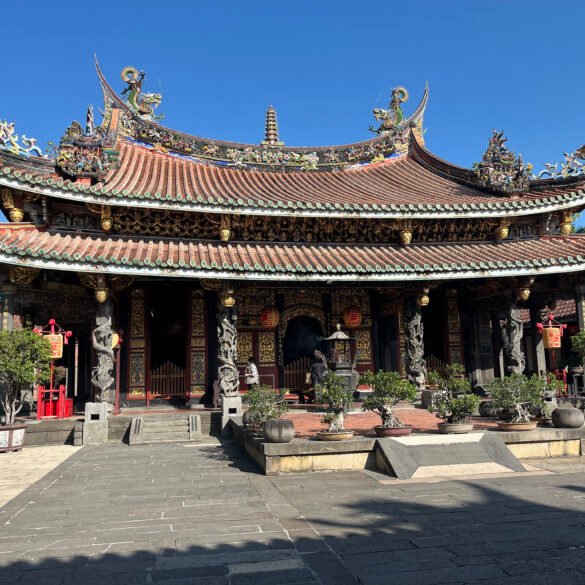
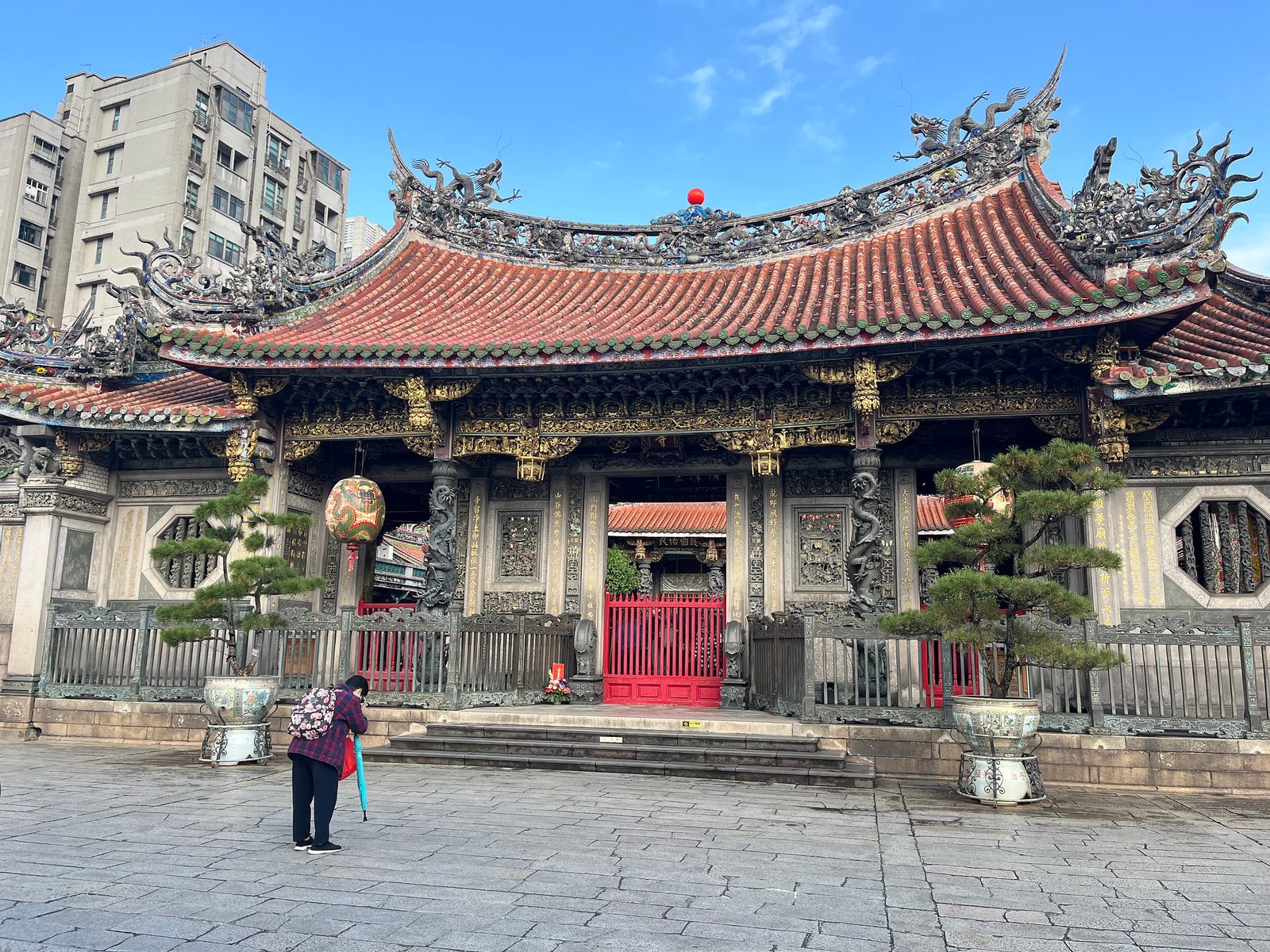
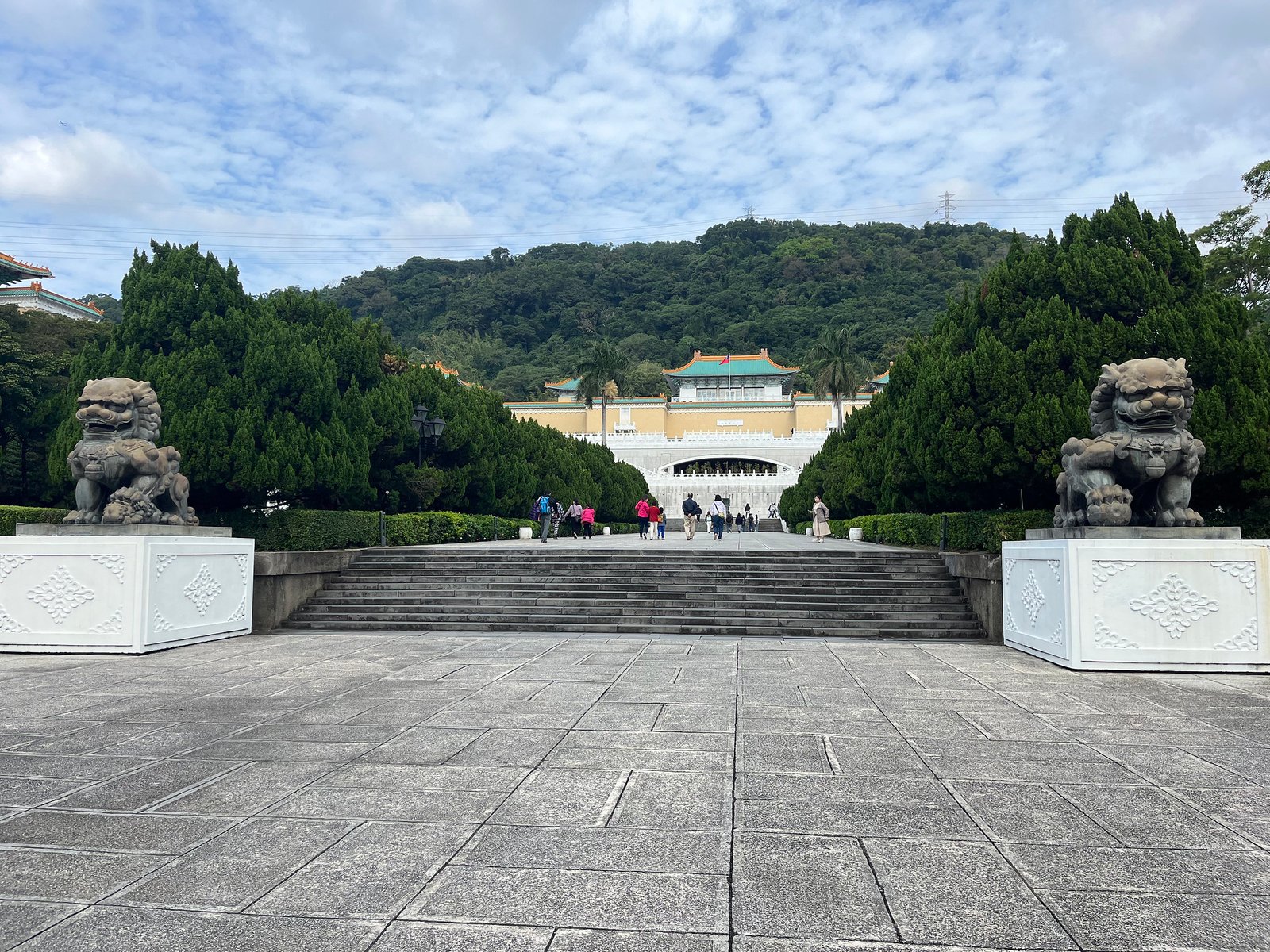
Taipei, despite its first impressions, turned out to be an incredible city. The National Palace Museum houses what is apparently one of the greatest collections of Chinese art and objects in the world, with rooms full of ancient bronze vessels, delicate jade carvings, centuries-old calligraphy scrolls, and porcelain so fine I could not believe it survived all these years. We walked through busy roads and tiny alleys, rested in parks, poked our noses inside cute stationary stores, and ate everything at night markets. We hiked up Elephant Mountain to admire the city sprawling below and then compared the view from the Taipei 101 observation platform. We explored the Chiang Kai-shek Memorial Hall and Lungshan Temple, one of the oldest and most ornate temples in Taipei. And on our last day, we took a train to the New Taipei City Yingge Ceramics Museum to learn about Taiwan's ceramics history and admire the incredible exhibitions. If we had more time, we would have found more things to do, see, and eat.
There will be more posts about Taipei and Taiwan coming up. In the next post, Victor becomes a Taoist, and this is not clickbait.