
After getting back from the U.S. Virgin Islands, we calculated our total expenses for two people for six days, one week before high season, and it came out to $1,875 for everything, including flights, accommodations, a rental car, food, and all entrance fees.
Nowadays, whenever you don't know how to feel about something, you can have AI explain it to you. So I typed "US Virgin Islands for 2 people 6 days for $1900" into various AI models, and the general consensus was: "$1900 is unlikely, but possible on a very tight budget."
Here's an actual answer from Google Gemini: "$1,900 for two people is a very tight, budget-conscious price. This budget is achievable, but it will require careful planning and likely won't cover flights from many locations. This budget is a great starting point for covering local expenses, but typically, a moderate week-long trip for two (including flights, accommodation, food, and activities) would cost significantly more, often ranging from $3,500 to $5,000+."
I went to Victor to ask if he'd somehow hidden careful frugal budget planning from me, and he looked at me like I was crazy.
"Well, the airfare was $250 per person round-trip, around $300–$500 cheaper than usual, so I guess we saved some money on that. But as for the rest of the budget, you were responsible for that, not me."
He was right. I did book the accommodations and the rental car, so I went digging through my confirmation emails, receipts, and payments. The rental car was a very reasonable $188 for six days, with only $34 for gas and $65 for the round-trip ferry to St. John. I remember thinking at the time of booking that we would surely need to pay extras for comprehensive insurance coverage or some mandatory fees. Over many years of traveling, I've learned that no one will screw you over as mercilessly, routinely, and cheerfully as car rental companies. But not this time. They accepted my insurance coverage and rented us a four-wheel-drive SUV for a price I probably couldn't find on the mainland. No random charges with zero explanation to my credit card after the car return either (I'm looking at you, unnamed car rentals in Las Vegas, Mexico, and California).
We usually rent an economy car, but our recent experience scraping the bottom of our tiny Toyota Yaris in Nicaragua while driving through ruthless potholes scarred me for life. I did some research on island driving, and the majority of recommendations were to go with 4WD for St. John's steep and winding roads. Looking back, a 4WD came in really useful on St. Thomas as well. While most roads are paved, the hills are much easier to navigate in a more powerful car. We went ahead and "splurged" on the car rental, but still ended up with a very reasonable bill.
The price of accommodations startled me when we first began planning the trip. Airbnb immediately spat out a long list of options with a median price of around $350 a night. I closed that tab and stared off into space for a few minutes, summoning the courage to check hotel prices. My gut instinct was right—the hotels were even more outrageous. I went back to Airbnb and set the filter to "low to high." For the week we were going, I didn't see any hostels or one-room rentals (I don't even know if such things even exist in the U.S. Virgin Islands). The cheapest rental on St. Thomas was $111 per night. I booked it.
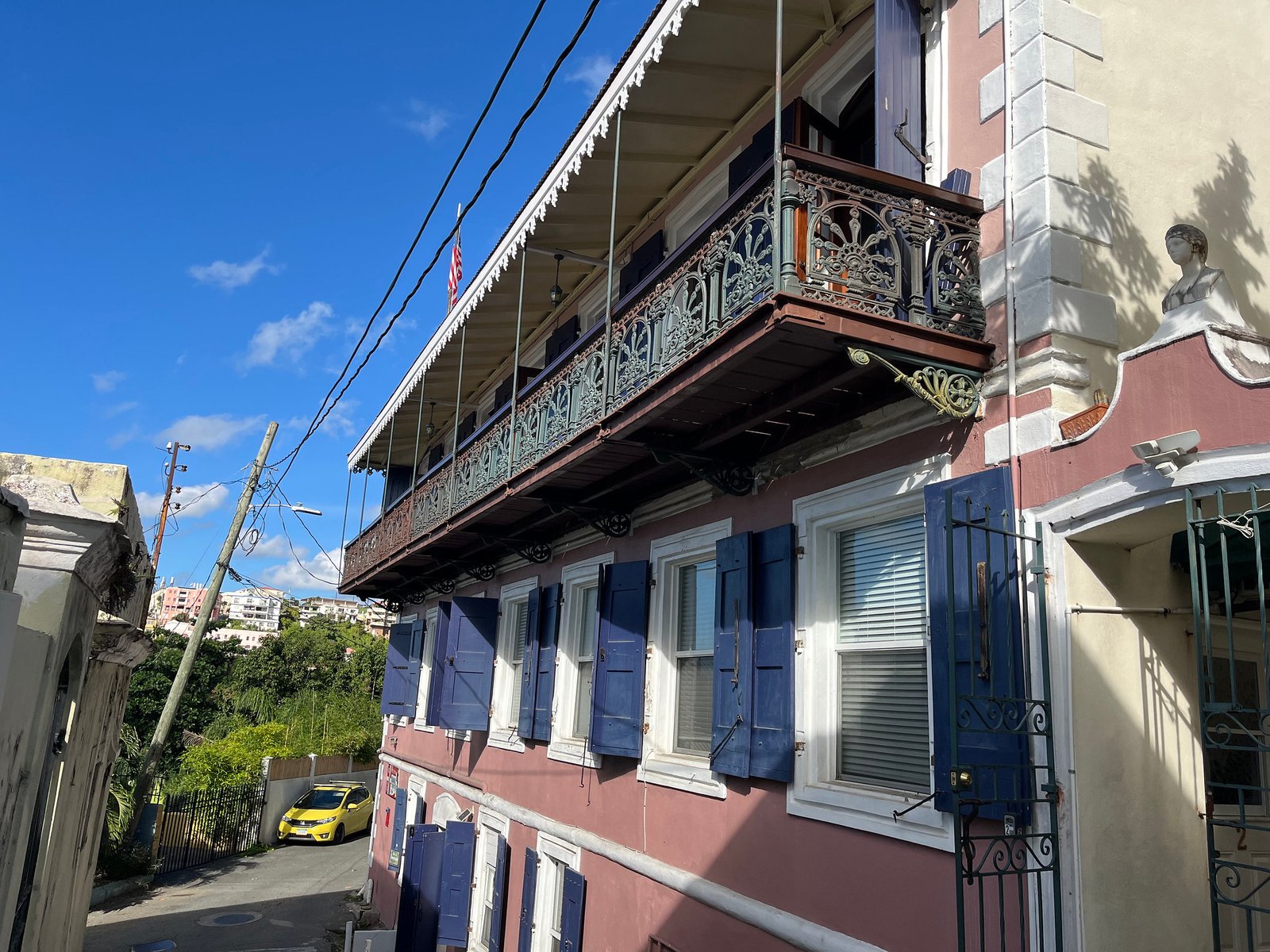
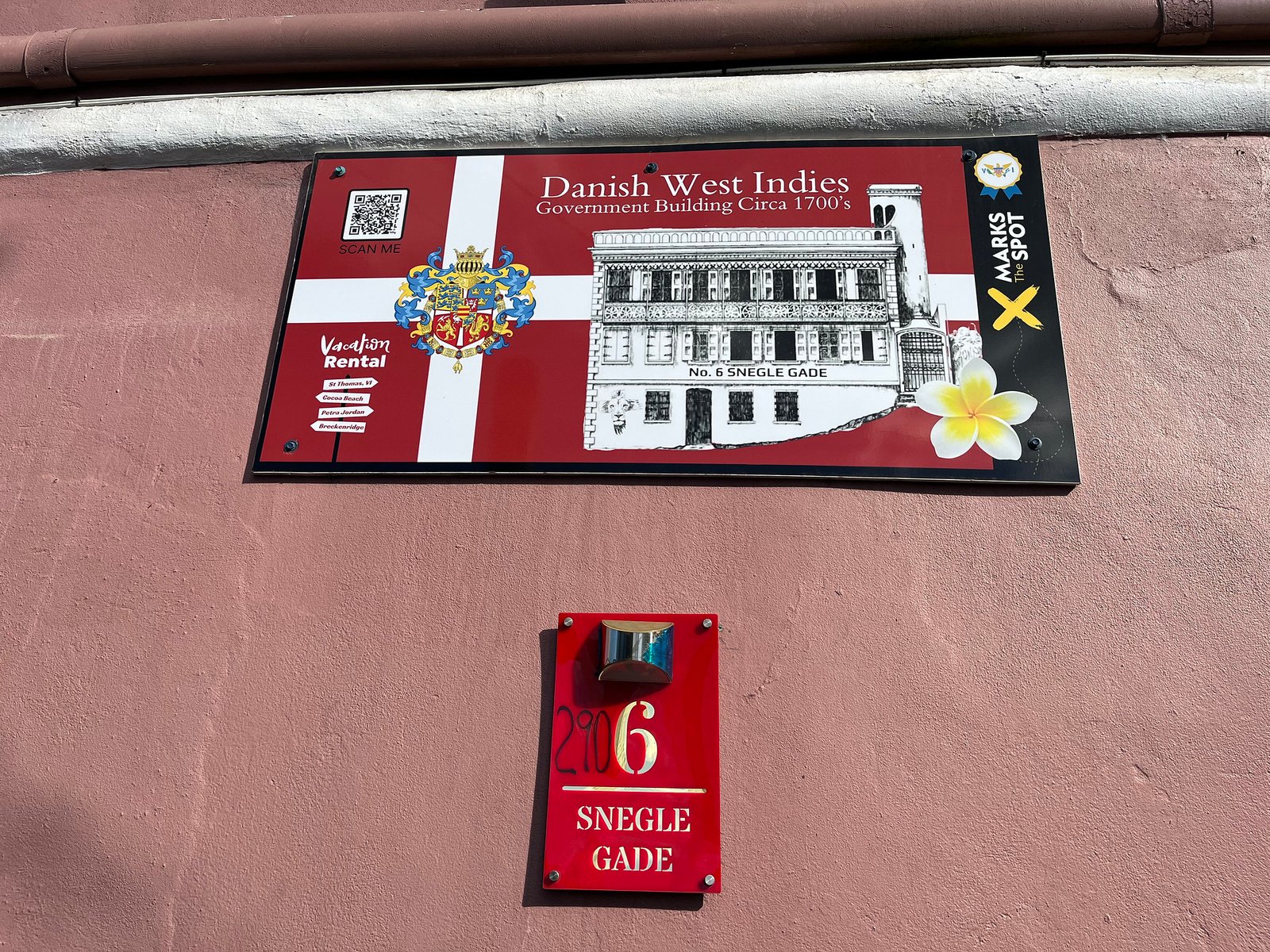
Terrible things often happen when you book the cheapest possible lodgings. I can tell you horror stories about sharing one bathroom with six fully booked rooms in New York, blankets and pillows smelling like mothballs in Varanasi, and an Airbnb providing only one small fan that turned out to be broken in Gjirokastër, Albania, on a 106-degree day. What happened on St. Thomas? We lived in a historic building that once served as the residence of Antonio Lopez de Santa Anna, the Mexican president in exile. We had a fully stocked kitchen, a cozy living room, a large bathroom, and a comfortable bedroom in the center of Charlotte Amalie. This, by the way, was cheaper than the one small room with a cramped bed and shared bathroom in NYC.
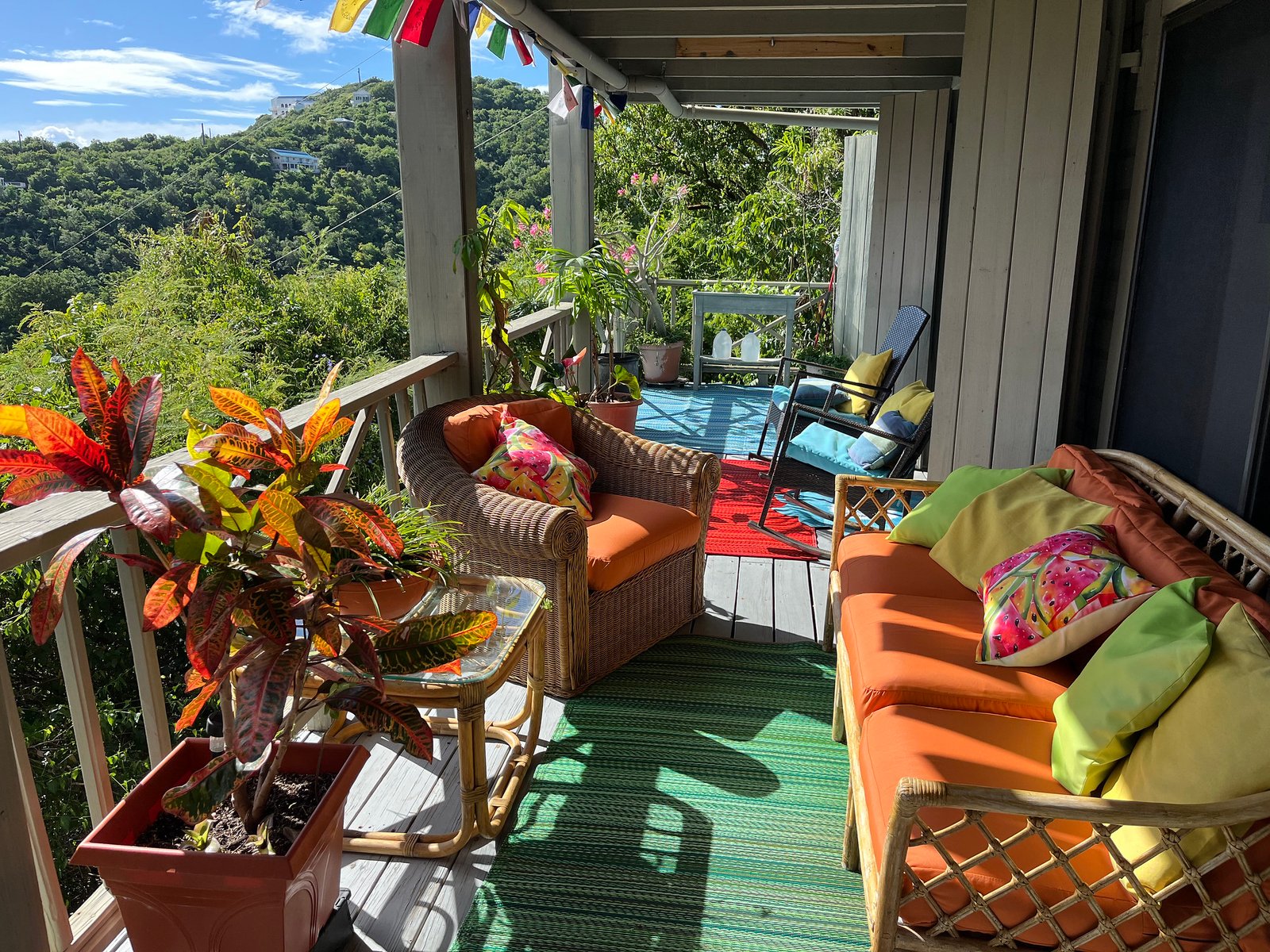
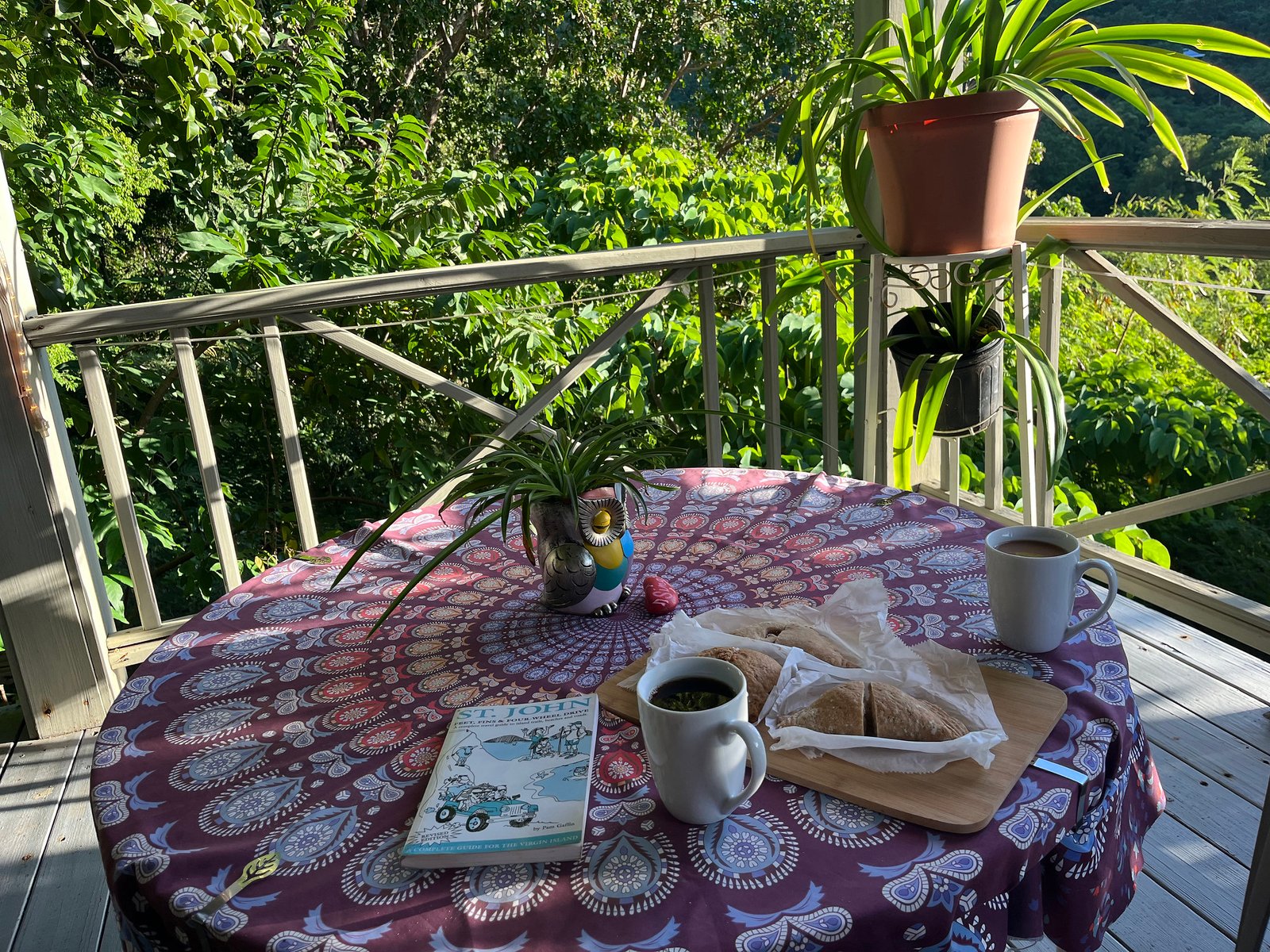
The Airbnb on St. John was also the cheapest one we could find, and it came out to a whopping $160 per night. This Airbnb came with everything the previous one had, plus a gorgeous patio with an outdoor breakfast nook, a hammock, couches, and most importantly: incredible views. There was just one catch. Upon booking, the host let us know that the location of the condo was remote and we needed a car and an experienced driver to brave the steep roads. Since it only takes about an hour to drive around the entire island, we weren't worried about the place being "remote," and Victor has plenty of experience driving through difficult terrain.
The most important part of our accommodations was the kitchen. That's because food is incredibly expensive on both islands due to everything being imported from the mainland. Restaurant prices were steep, comparable to New York and Norway. The thing is, neither island is exactly known for its food. This really isn't a foodie destination with popular local delicacies, so we didn't feel bad making our own meals.
Being able to cook saved us a lot of money, but grocery prices were still outrageous. A few things imported from other islands were somewhat cheaper, as were locally grown fruits and vegetables, but most groceries were anywhere from 20 percent to 200 percent more expensive than in Chicago. We initially planned on eating breakfasts and dinners at the Airbnbs and getting lunches on the go. But we quickly realized most remote beaches and hiking trails didn't have cafes or restaurants nearby, so we packed sandwiches and snacks instead.

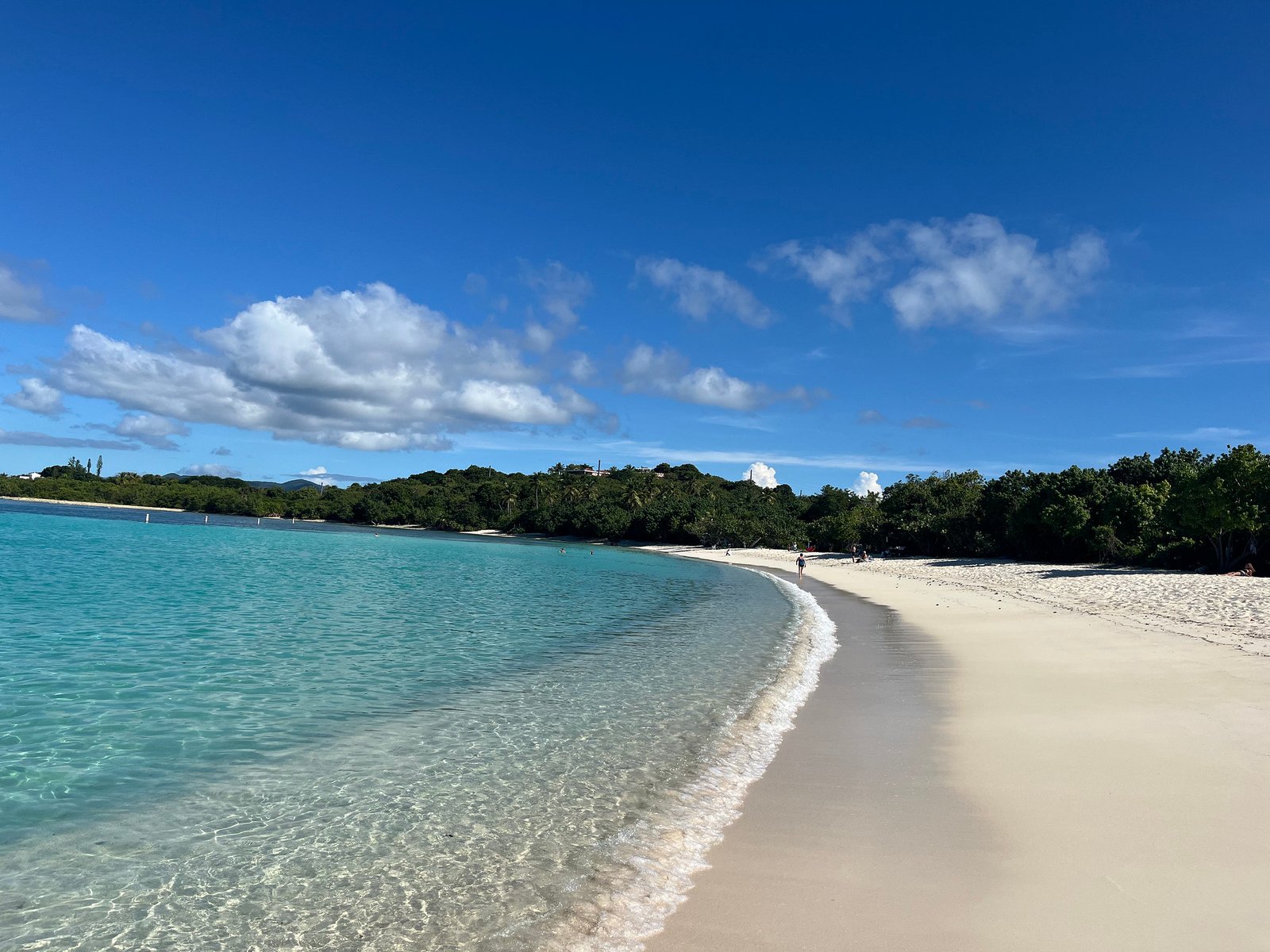
There's one way in which these islands are inherently budget-friendly. The main attractions, the gorgeous beaches and incredible hiking trails, are mostly free, as is parking. I say mostly because there are a few beaches with a reasonable entrance fee of $7 per person and $2 parking, but the vast majority were free. We spent our days swimming in impossibly clear turquoise water, hiking through lush tropical trails to hidden ruins of sugar plantations, and lounging on white sandy beaches in the shadows of sea grape trees, with barely any people in sight.
Google can call it "unlikely" all it wants, but the receipts don't lie. Cheap airfare did the heavy lifting, the car and Airbnbs were unusually reasonable for the Caribbean, and cooking most of our meals cut out the biggest expense on the islands. At no point did we feel like we were on a strict frugal budget. The Airbnb was a former presidential residence, the car was a 4WD SUV, and it was easy to enjoy sandwiches without feeling deprived when eating them on beaches that look like postcards. After adding it all up, the verdict is simple: we got lucky with timing, did our research, and were willing to cook our own meals in a kitchen with a view. Or in other words, we had no idea what we were doing, but it worked out anyway.

Happy New Year! Wishing all of you incredible trips in the upcoming year!