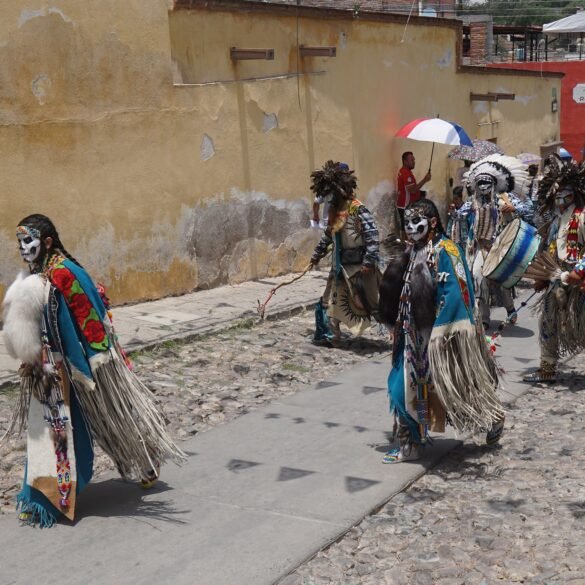

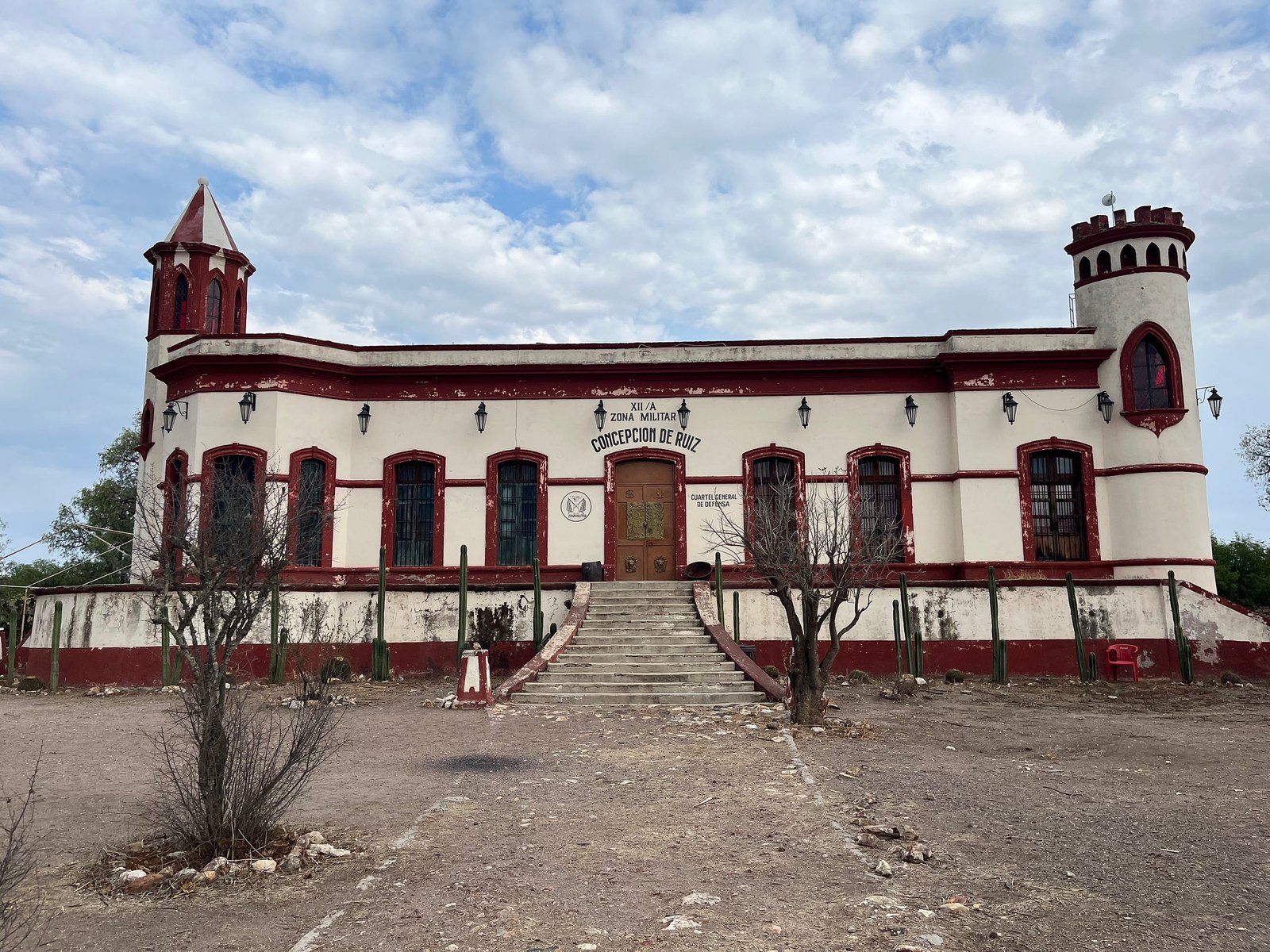
After spending the afternoon watching the parade and dance competitions in the ghost town of Mineral de Pozos, we had just enough daylight left to visit the one site we had actually planned: the abandoned Santa Brígida mine. The rain, clearly summoned by the relentless swirling and drum banging of a crew performing a “rain dance,” finally stopped, leaving the sky overcast and heavy. We followed a dirt road out of town for about three kilometers until a small Hacienda Santa Brígida sign and a Coca-Cola booth displaying rocks and Spanish-language brochures signaled that we had arrived.
Victor translated the brochures for me. Santa Brígida is the oldest mine in Guanajuato and the first established in Mineral de Pozos, effectively giving birth to the town itself. Built by Jesuits after the Viceroy of New Spain granted them rights to extract metals, the mine produced gold, silver, copper, lead, zinc, and mercury from shafts reaching as deep as 250 meters. Commercial development began around 1660, and a government-funded revival in the late 1800s kept it running until its decline and closure in the mid-20th century. In total, the mine operated for nearly four centuries, making it one of the longest-running mining operations in Mexico. The site is now abandoned, with remnants of its industrial past scattered across the grounds, including original furnaces and deep shafts.
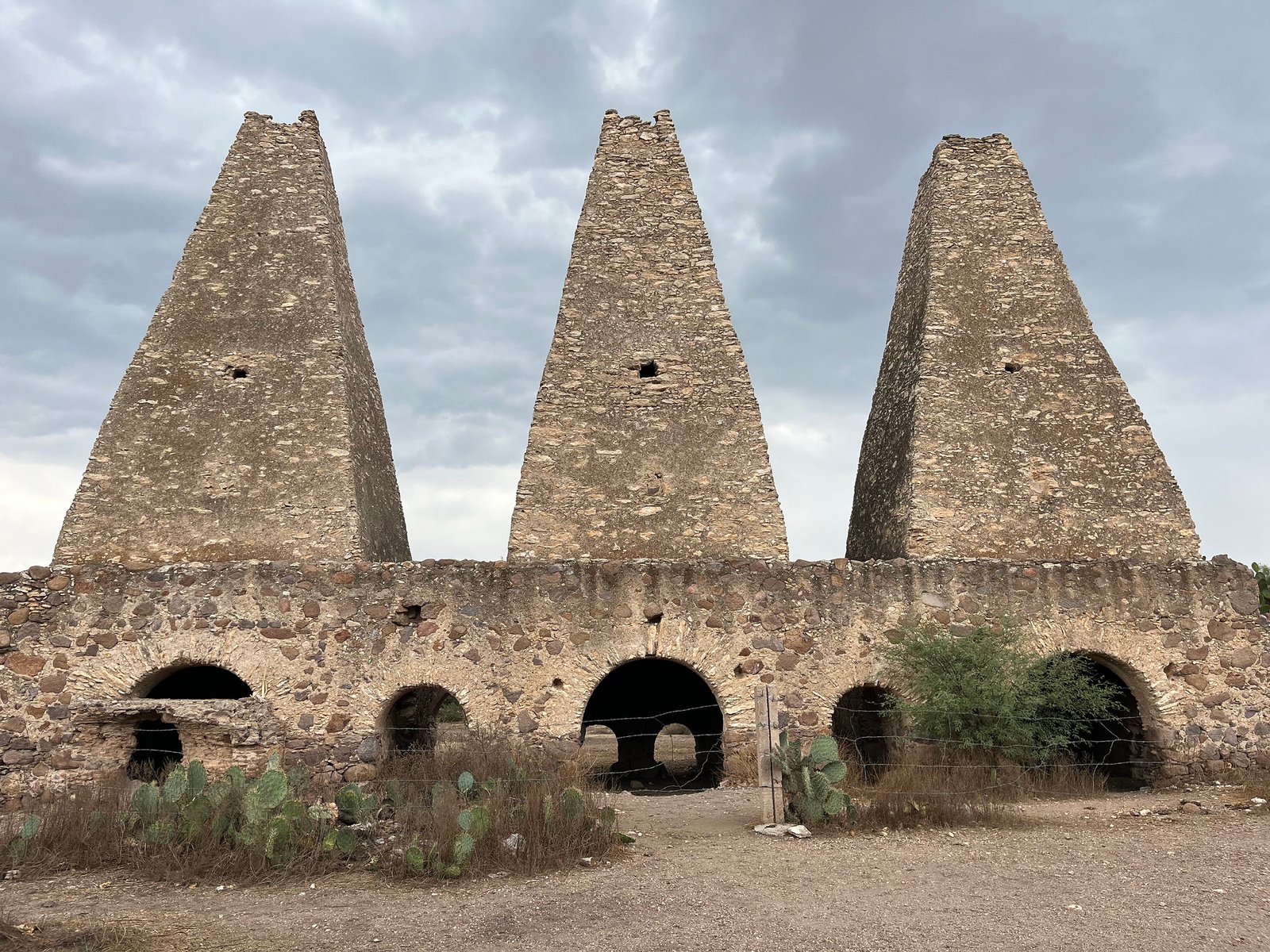
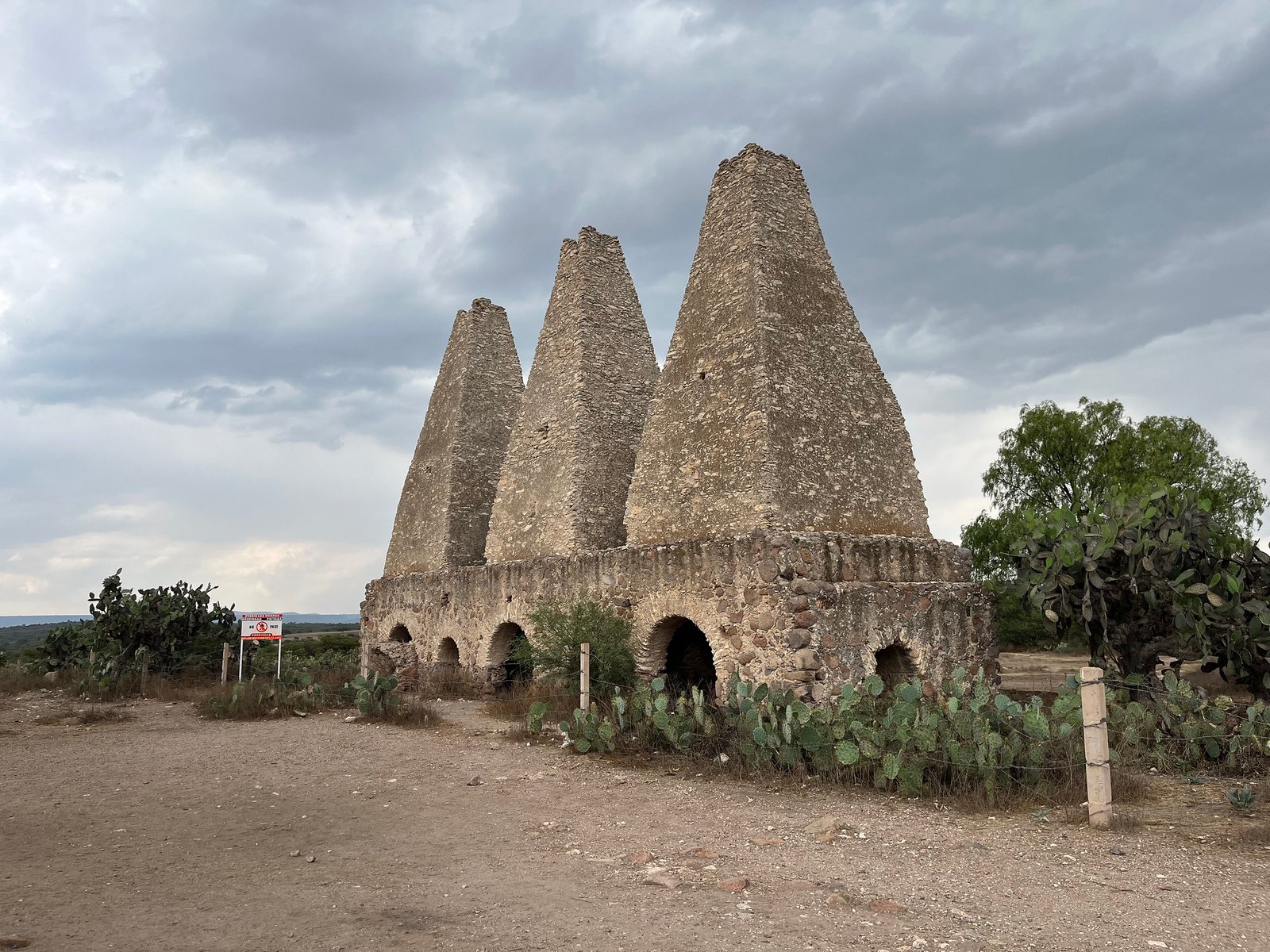
The main reason for our visit, and what makes the site worth seeing, are the three famous pyramidal adobe furnaces known as chacuacos, once used to smelt silver. These distinctive towers have become an unofficial symbol of Mineral de Pozos, and the sprawling ruins of Santa Brígida remain the town’s most iconic landmark. To me, the chacuacos looked almost like small Mayan pyramids, despite being built by Jesuit priests in the 1600s.
The strangest part of the entire site was a structure labeled on the map as the “Magic Arches of the Sun and Moon.” The name sounded mysterious, and the building looked even stranger. It consisted of the ruins of a long, narrow hall lined with arches and capped by a tower. I could not have guessed its purpose with a thousand tries. It turns out the structure was designed to purify poisonous gases from the underground mines, while the arched ovens were used in the mercury amalgamation process for extracting gold and silver from raw ore. As for the eccentric name, the tower at the end once served as an astrological and astronomical observatory for the Jesuits, who used a large hole at the top to observe solar and lunar events.
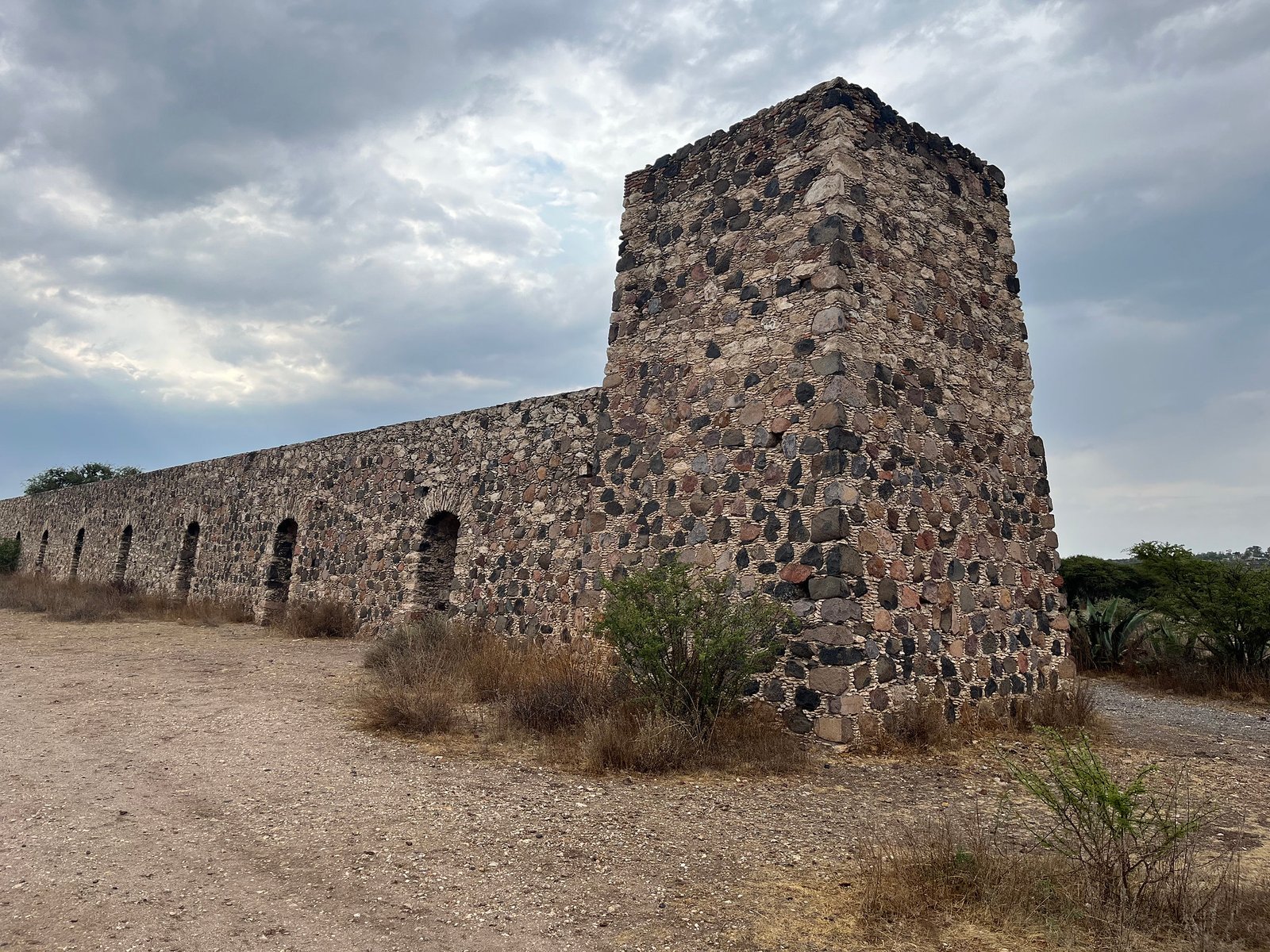
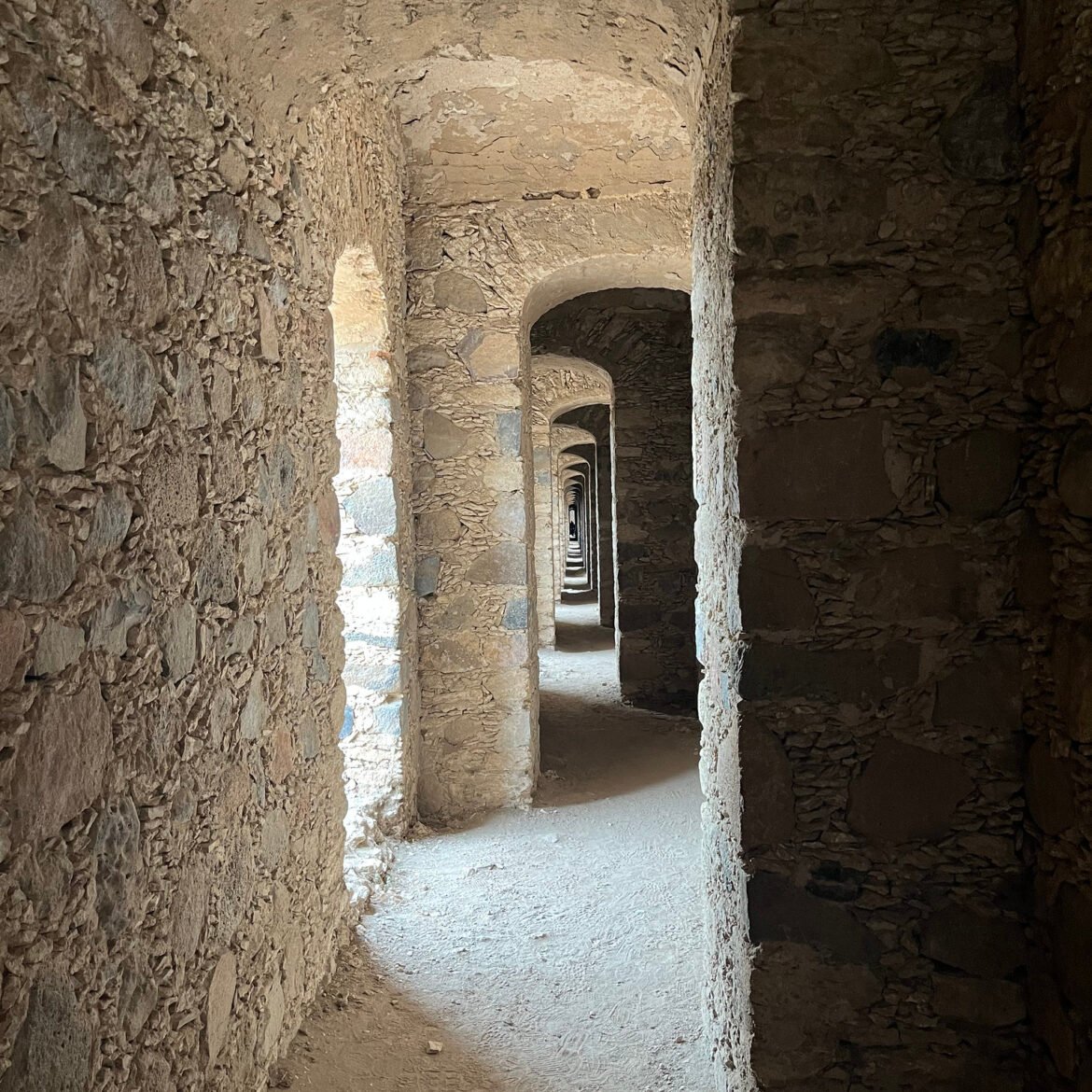
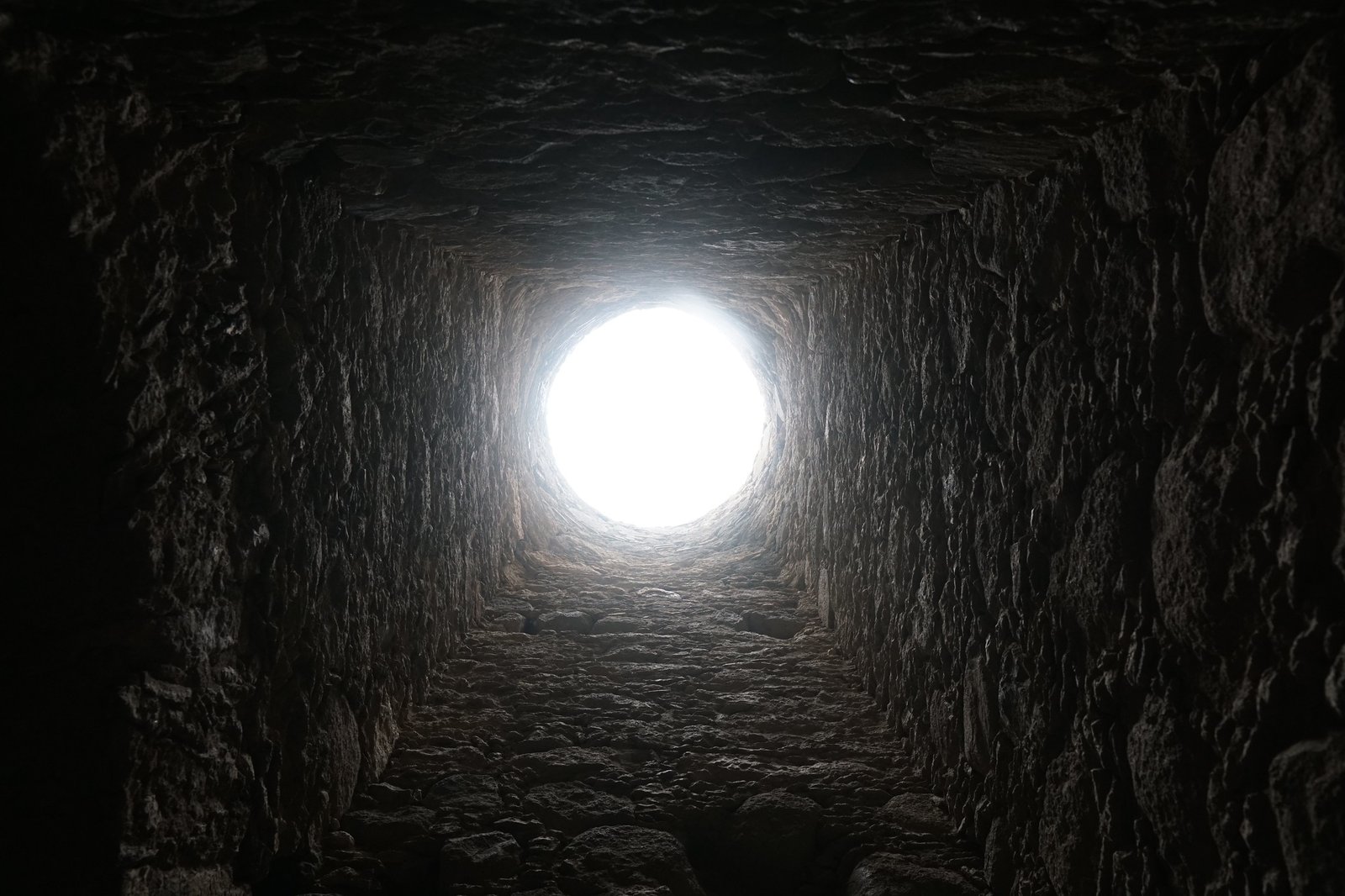
These haunting ruins have caught more than just tourists’ attention. Filmmakers have used the site in productions such as Once Upon a Time in Mexico and Starring Pancho Villa as Himself. Guanajuato is now developing state-of-the-art audiovisual studios in Mineral de Pozos to turn the ghost town into a movie-making hub. With its crumbling walls, exposed mine shafts, and desert scrubland, the landscape already feels cinematic even without cameras rolling.
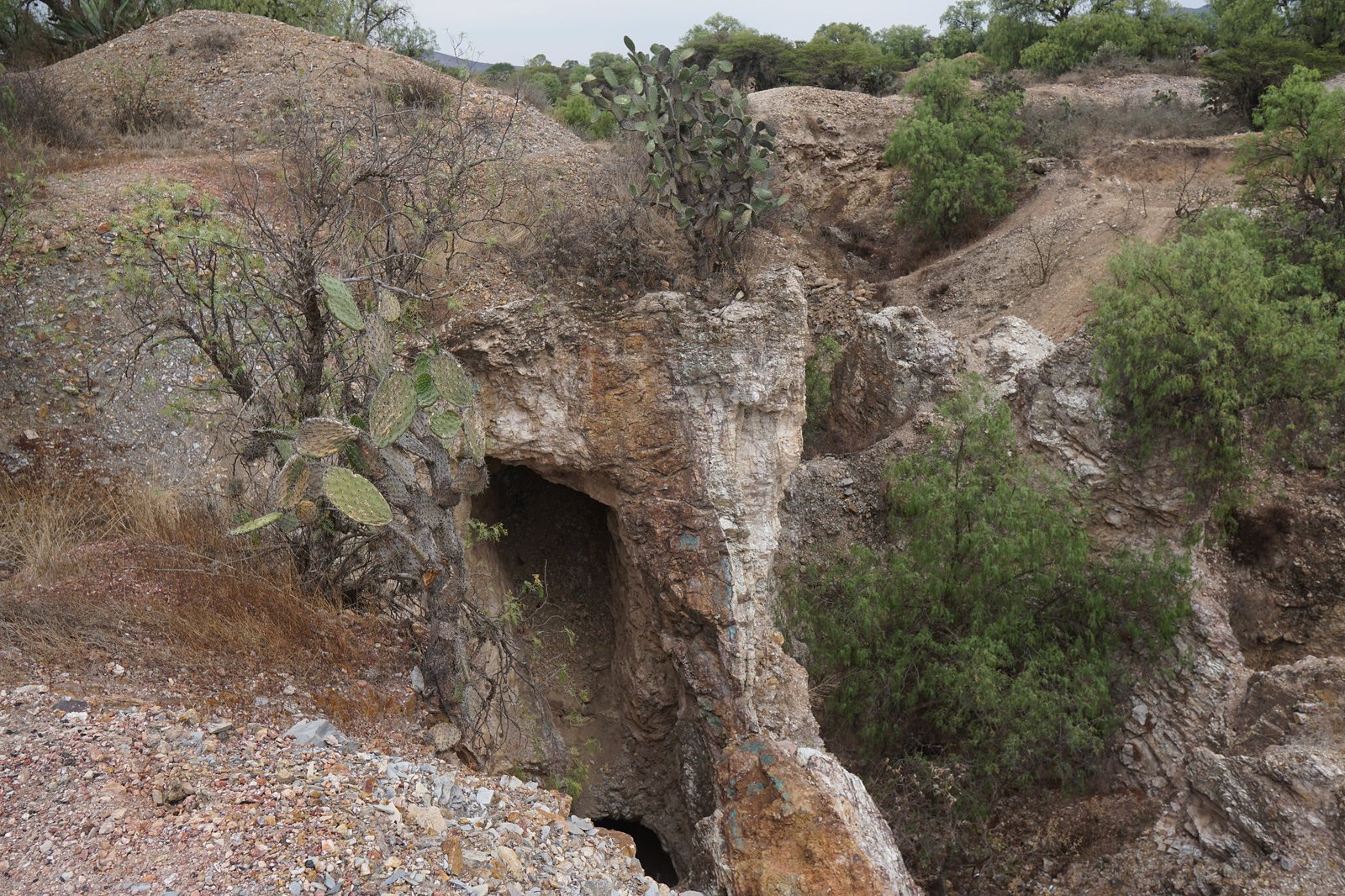
We wandered through scenery that felt like the Wild West and a post-apocalyptic film set at the same time. A massive open-pit mine split the property in two. Former administrative buildings stood roofless against the sky. The three chacuacos rose from the ground, their pyramidal silhouettes still imposing after more than 400 years. It was obvious why filmmakers love this place.
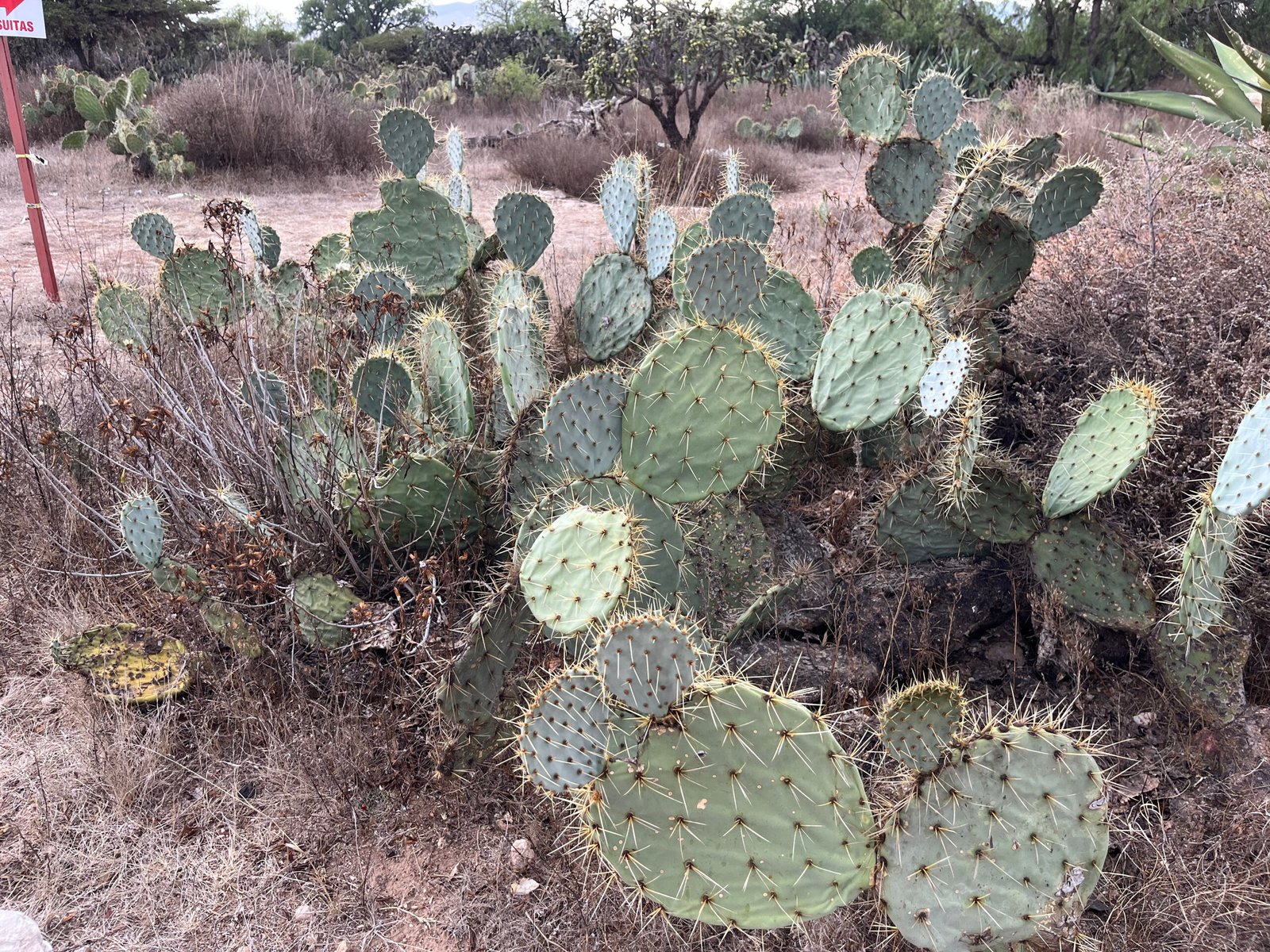
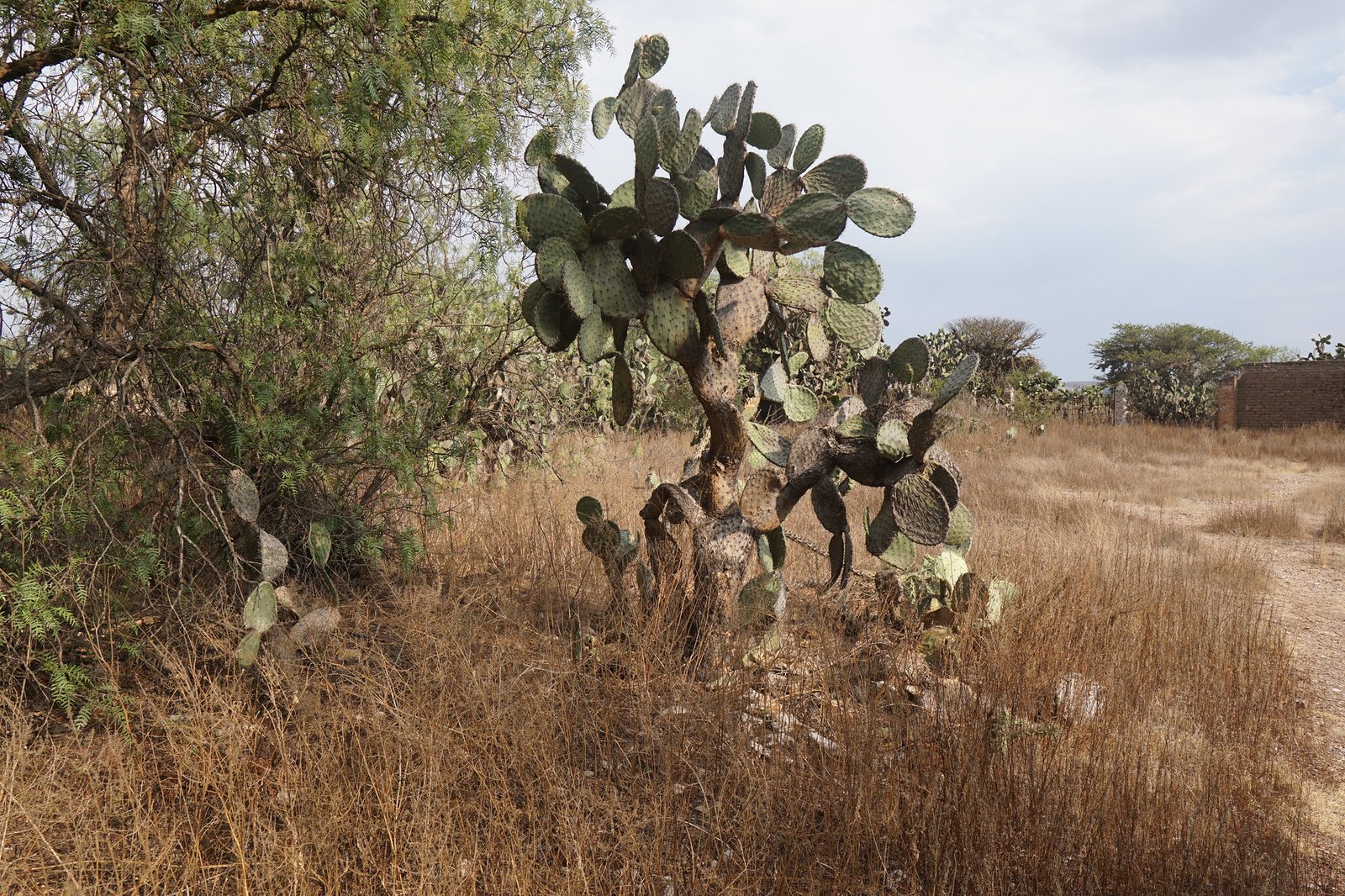
We loved it for all the reasons mentioned above and one more: the cacti. Cacti are everywhere in Mexico, but they looked especially charming growing among the picturesque ruins and along the edges of the abandoned mine shafts. There were towering cactus trees, sprawling thorny bushes, and small cacti poking out from between the rocks. We spent half the visit admiring the local vegetation before realizing the sun was setting, and it was time to head back.
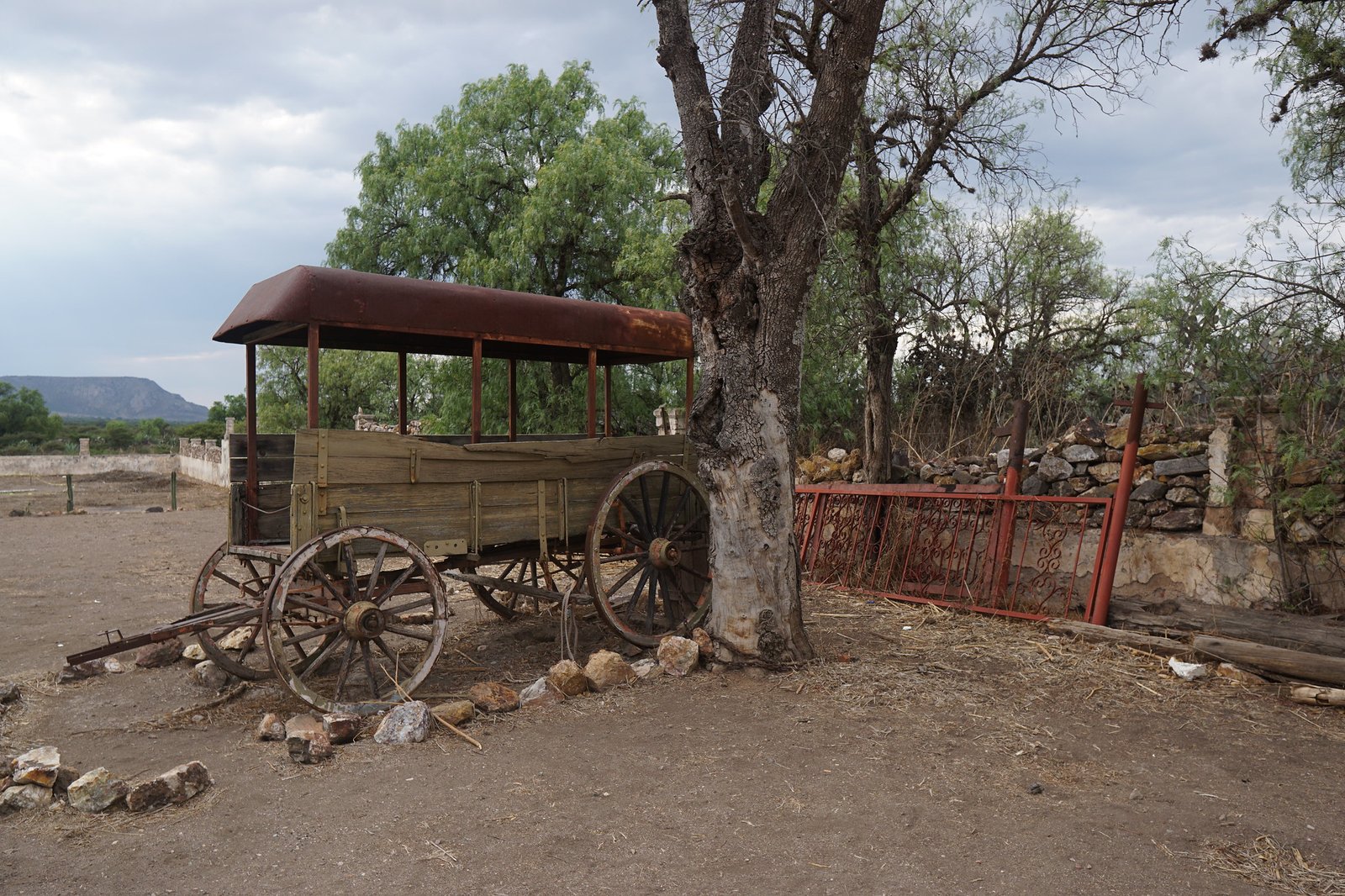
We had also planned to visit another abandoned mine nearby, Mina Cinco Señores, but ran out of daylight. I didn’t regret it until I googled it later and was met with photos of an impressive crumbling complex, sweeping views of surrounding hills, giant underground tunnels, and reviews such as: “A place full of history and you can take photos with excellent views!" and “The toilets were nice.” Clearly, we will have to fly to Leon again in the future for a longer visit.
This impromptu trip to San Miguel de Allende and the surrounding areas reminded us once again how varied, exciting, and unpredictable Mexico can be. Over the years, Mexico has become one of our favorite countries, the one we return to at least once or twice every year. As I’m writing this, we’ve already bought new tickets to Monterrey for 2026. This is now our third attempt to visit northeastern Mexico and hike the incredible mountain ranges around this sprawling city. The first two flights were cancelled, and we ended up rebooking the first for Mexico City and the second for San Miguel.
Maybe the third try will finally get us there, but if not, Mexico has never once disappointed us with its detours. Whether it is an authentic town full of expats, a ghost town brimming with life, or an industrial site that looks like ancient ruins, Mexico’s surprises have become half the joy of traveling here.