
If your country historically has rocks and water in close proximity to each other, I will probably end up writing a post about it.
Let me explain.
Anywhere in the world where there are rocks and water, there will usually be deposits of clay, created by the breakdown of igneous rocks in contact with water. And where there are substantial deposits of clay, there will be a long-standing tradition of ceramics, which means when I eventually visit, I will drag Victor to that village of potters, or a ceramics museum, or a market selling clay wares, and we will spend the whole day admiring vases, pots, and bowls.
Except this time, it was teapots.
"A whole district in Taipei selling ceramic teapots!" I couldn't contain my excitement.
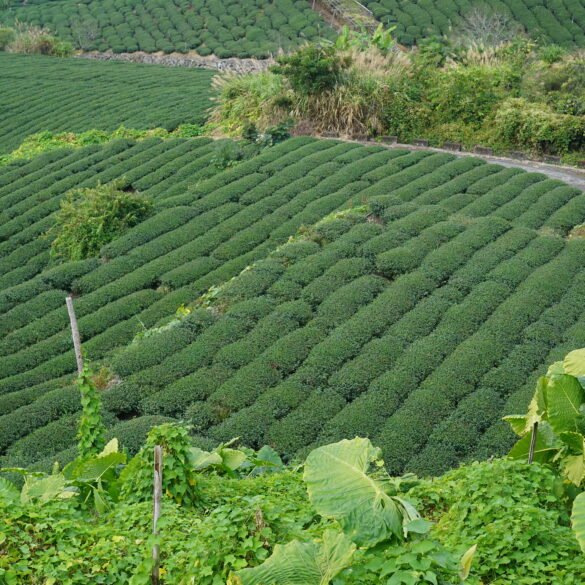
Victor nodded and adjusted the itinerary. We were now going to spend a day in Yingge District, famous for its production of porcelain and abundance of art studios and ceramic shops. This was closer to the end of our trip, after we had already explored the tea plantations of Shizhuo, witnessed a tea ceremony, bought multiple boxes of high mountain oolong, and the only thing missing was a Gongfu-style teapot to recreate the magic of Alishan tea at home.
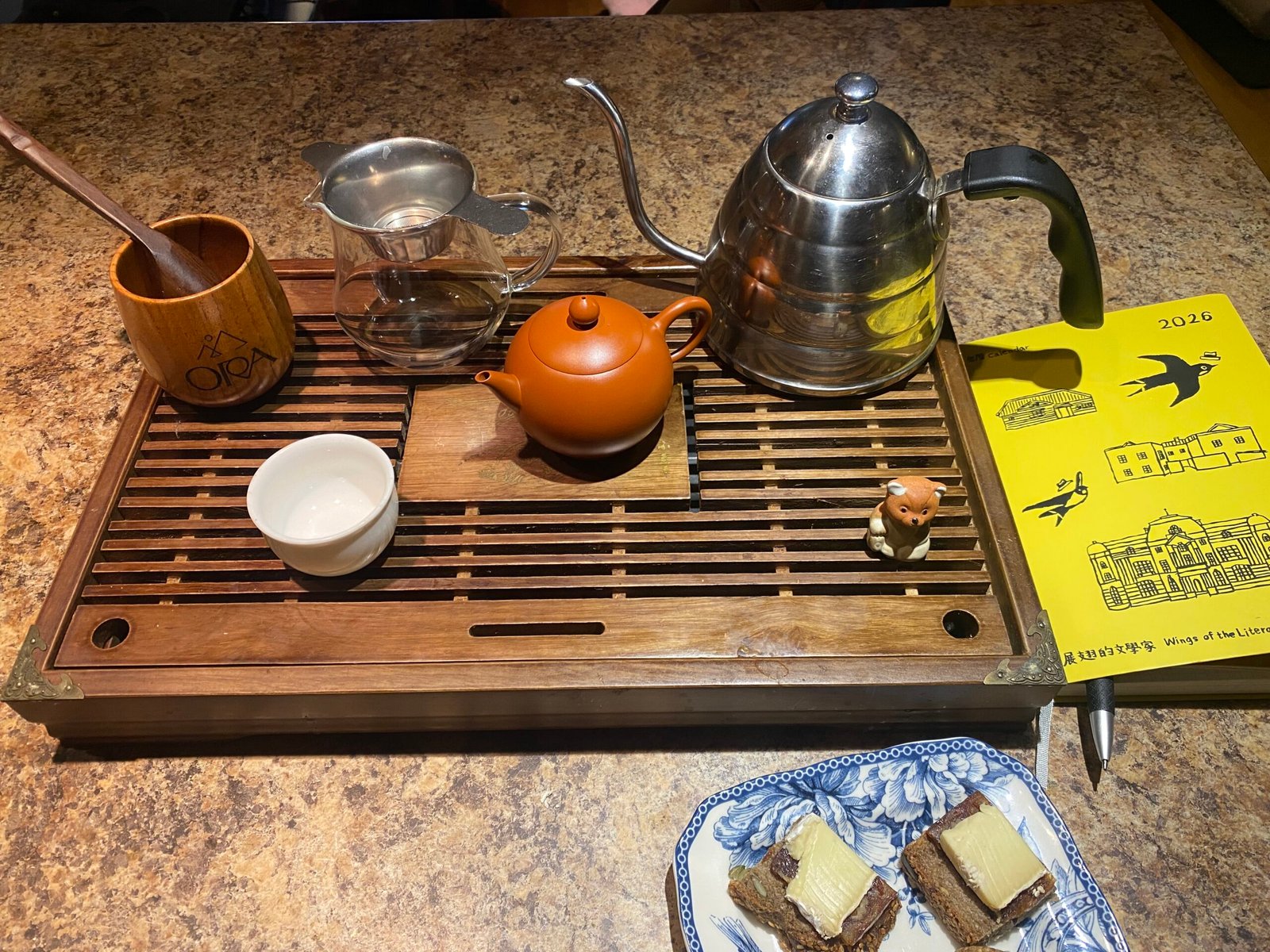
Well, that's not completely true. I also needed a small glass pitcher, a metal strainer, a tea pet, and a wooden tea scoop. I saw Victor giving me a side eye as I breathlessly rattled off my planned purchases. For someone who usually doesn't like shopping, I was beyond excited. Victor probably thought I was making half of this stuff up -- especially once I mentioned the "tea pet."
We arrived in Yingge in the morning, and the first thing I saw once we got off the train was a long street lined with pottery shops -- all closed. Little red-clay teapots sat on display in every darkened window, beautiful and unreachable.
"All these stores will just open later, right?" I asked no one in particular. We had arrived at 9 am to visit the New Taipei City Yingge Ceramics Museum, planning to spend the rest of the afternoon shopping. Now I was starting to wonder if the museum would be our only pottery-related stop of the day.
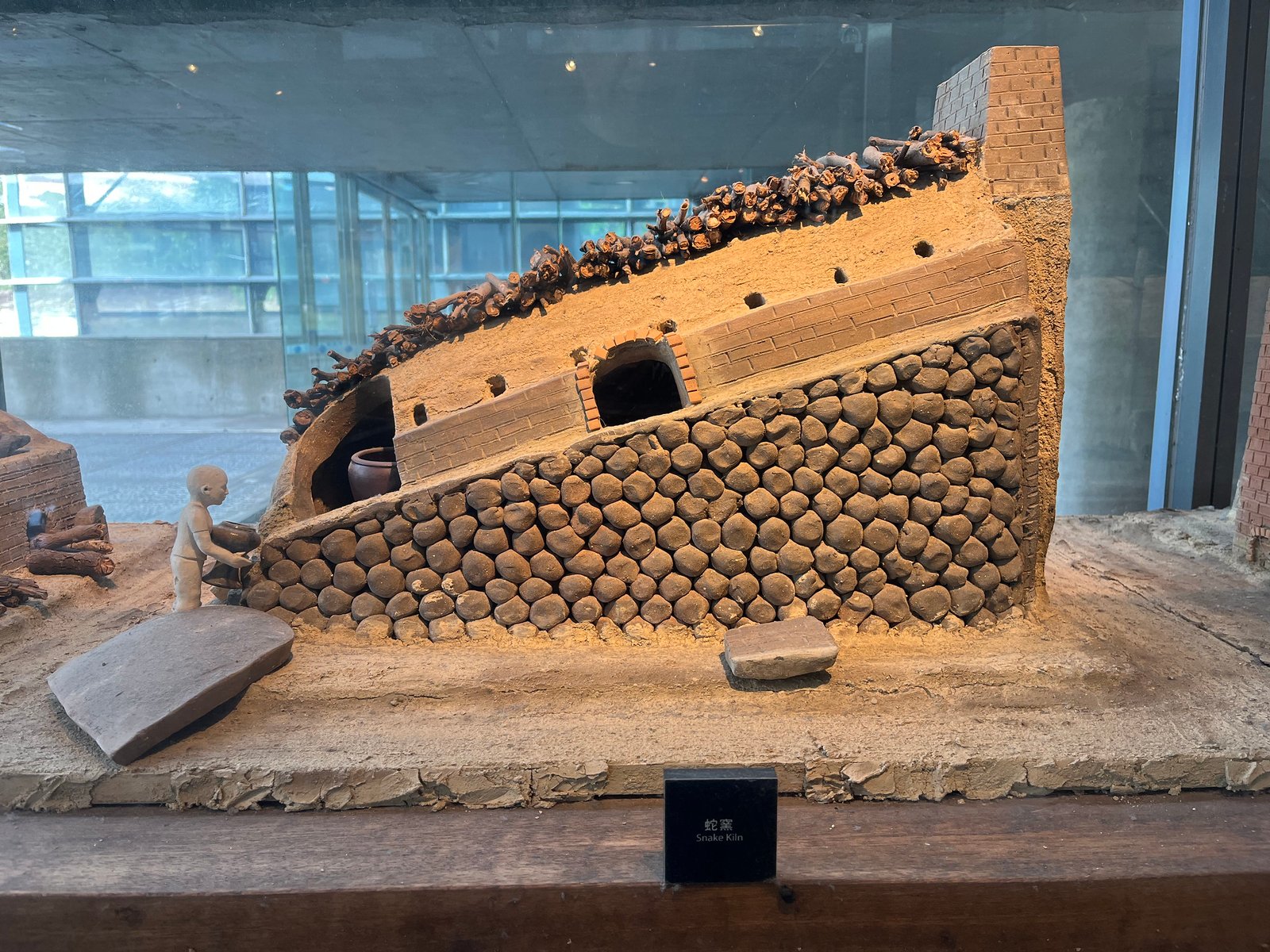
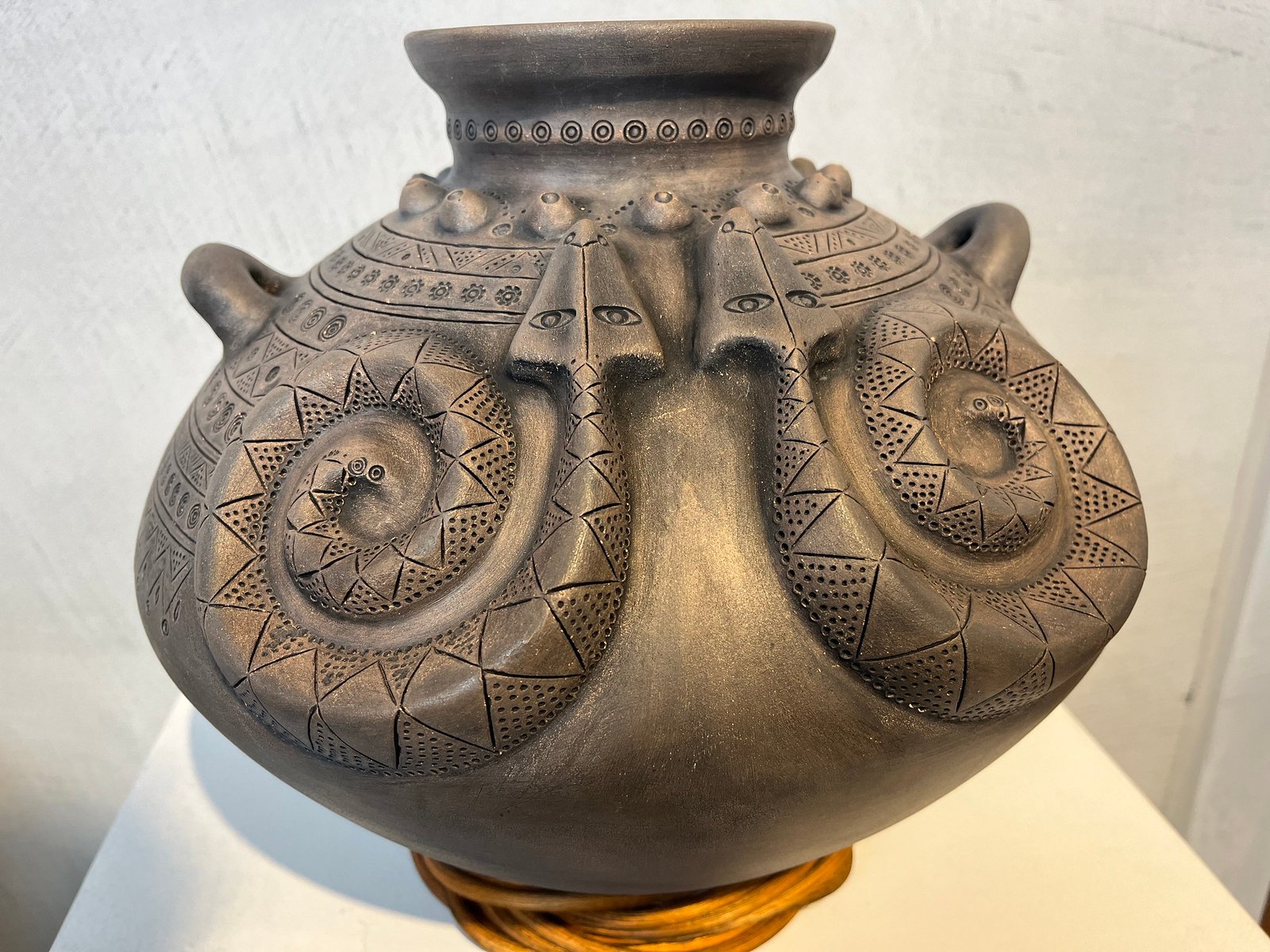
The entrance fee was only around $3, and we ended up spending at least three hours exploring all five levels of permanent and special exhibitions. It was the most educational ceramics museum I have ever visited. There was a thorough exhibit of the complete traditional ceramic production process -- from clay formation to glazing and firing. There was a full-sized traditional kiln on display, a presentation dedicated to glaze effects, and visual aids for decorative techniques such as slip trailing and sgraffito. It was like taking a full semester of Ceramics 101 in just a few hours.
Next, we learned about the history of pottery in Taiwan. We saw the pottery techniques of indigenous tribes, Chinese mainland styles brought over by settlers, and Japanese and Western influences popular during the early 20th century. But the best part for me was the special exhibition of the Taiwan Ceramics Awards 2025. Room after room, we encountered incredibly creative pieces -- beautiful sculptures, tea sets with unexpected twists, highly detailed ceramic works, and objects that didn't even look like they were made from clay.
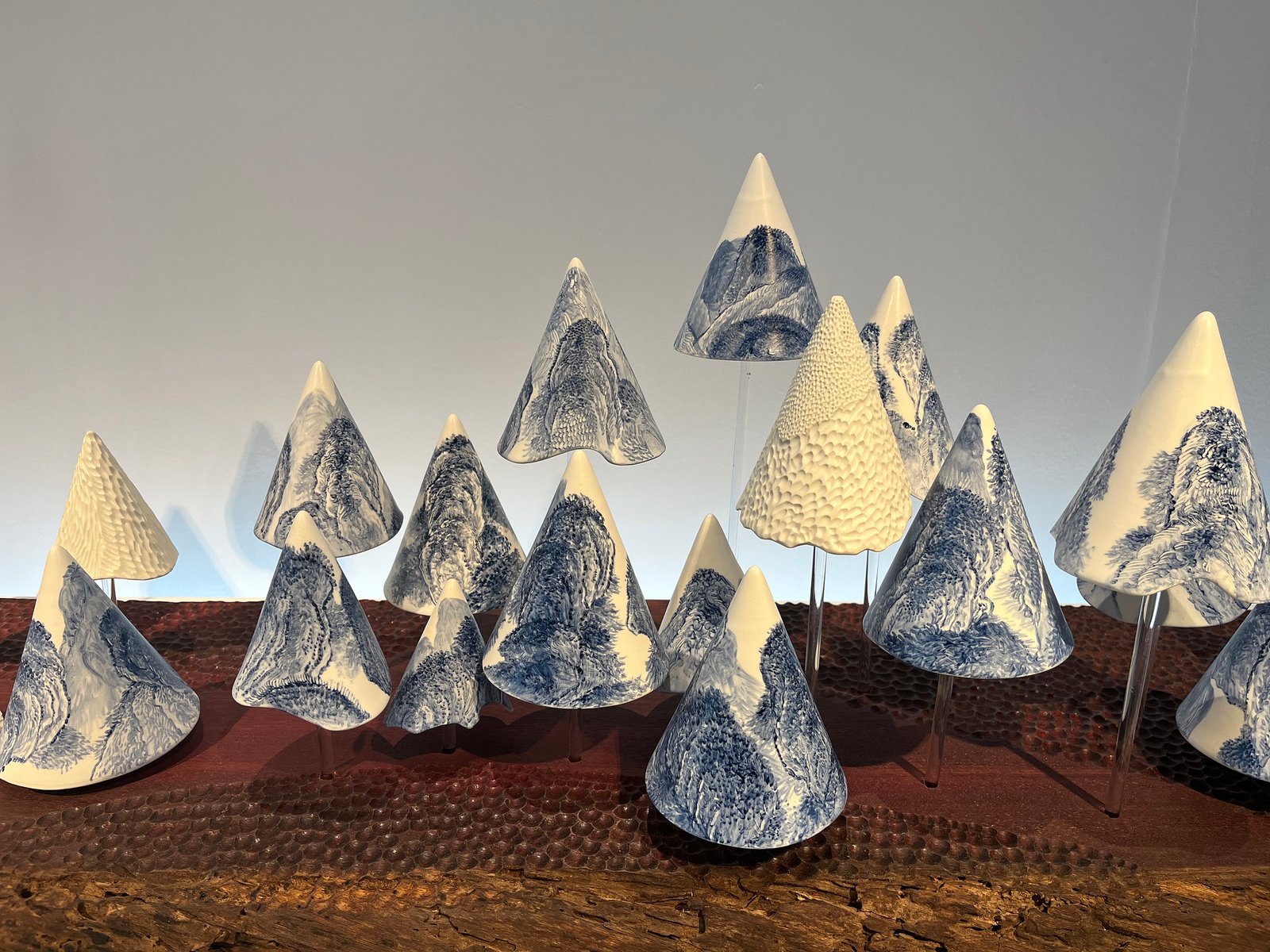
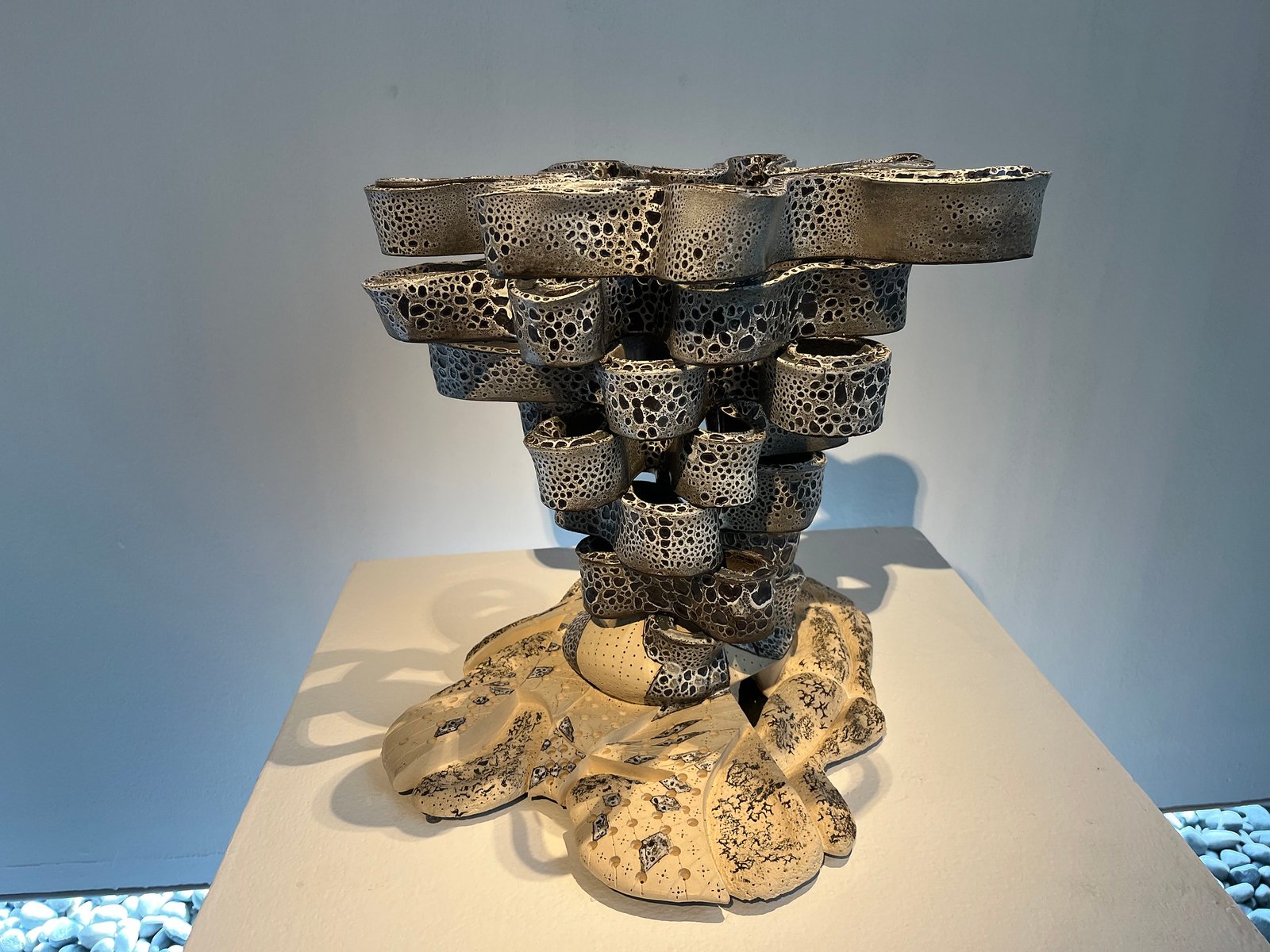
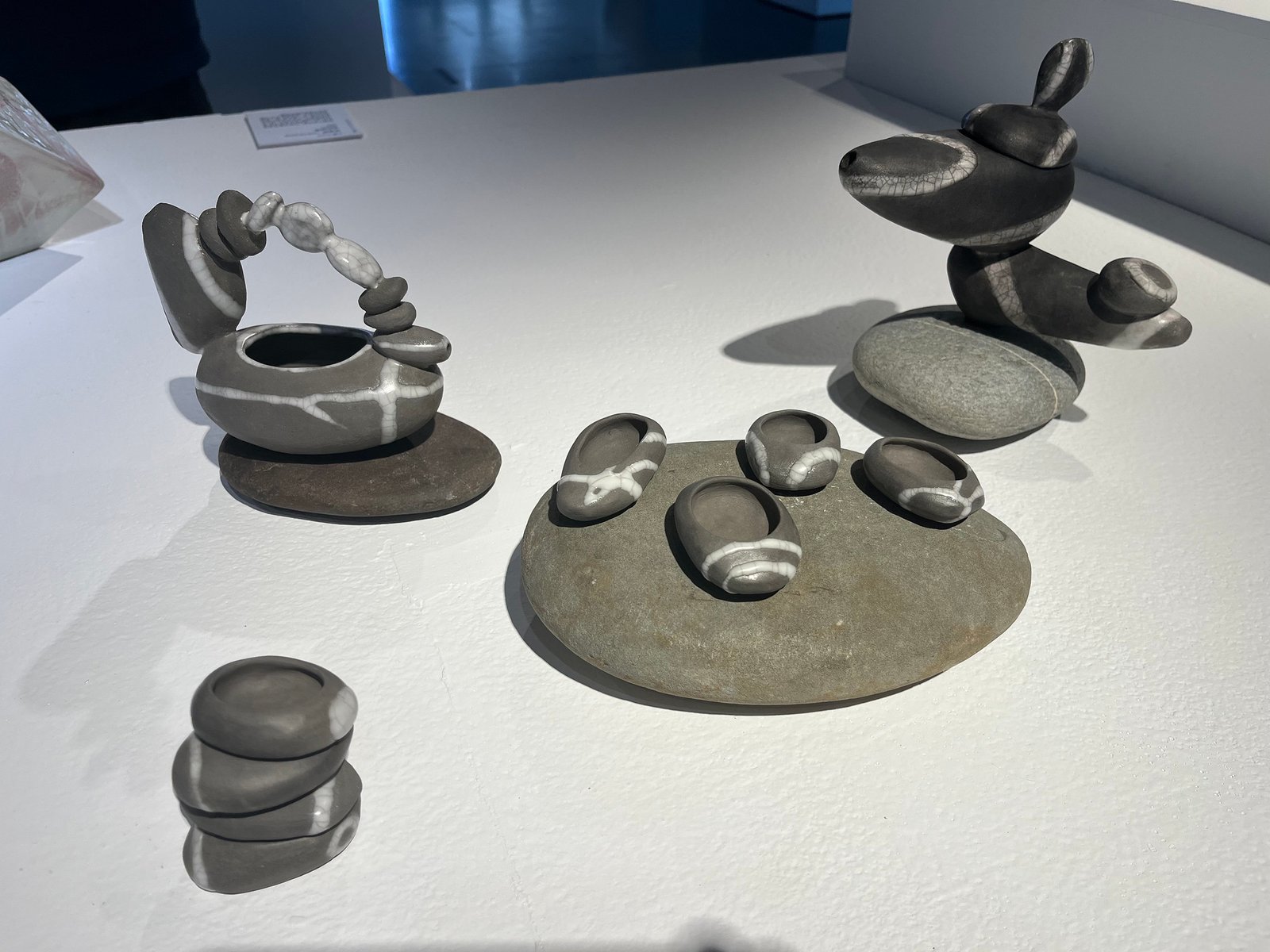
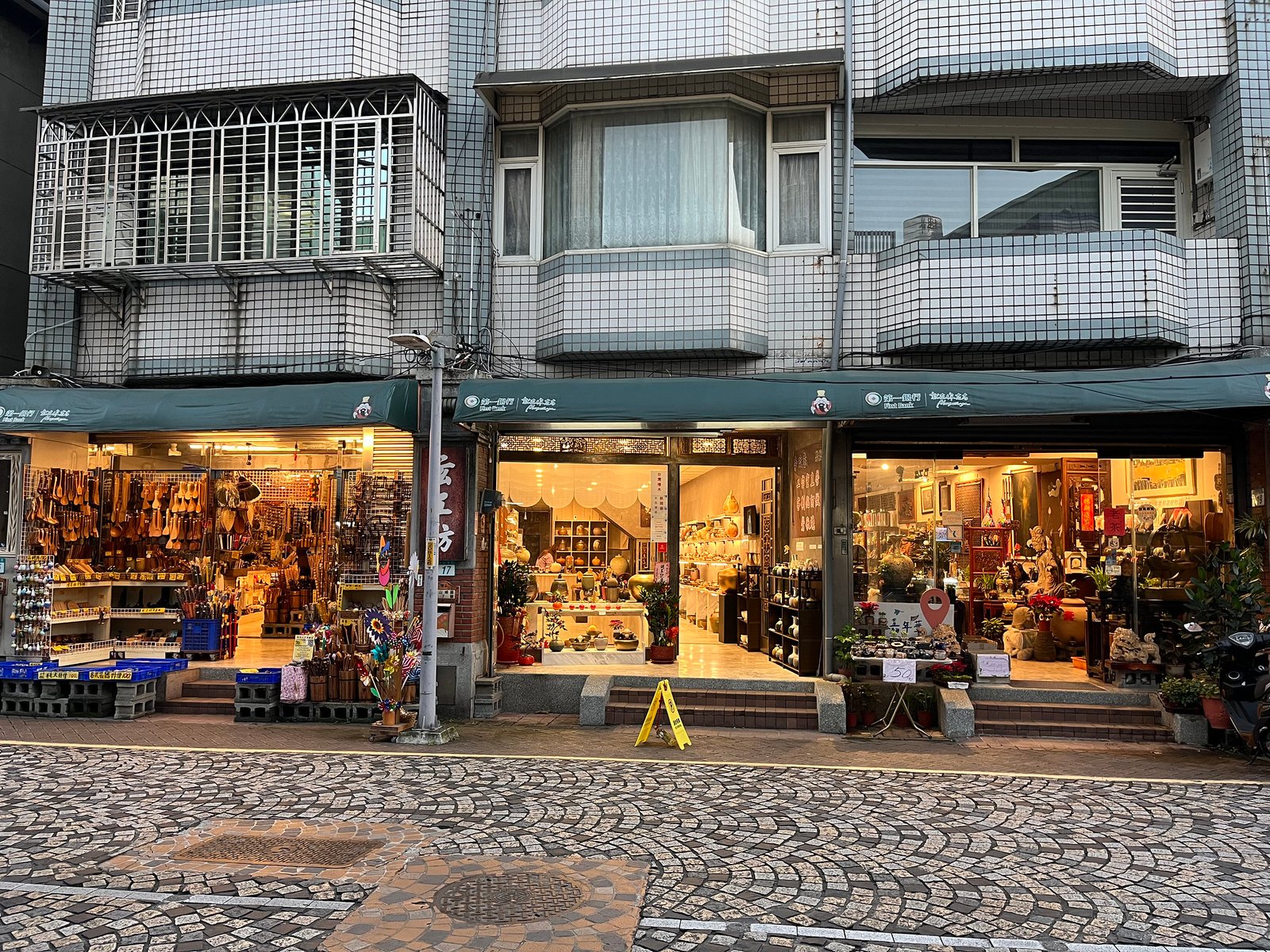
By the time we left, I was inspired to experiment in my own studio with new techniques and more hopeful than ever to get my hands on a little Yingge clay pot. Fortunately, all the ceramic stores were now open, and the sidewalks were filled with tables overflowing with pots, cups, and full tea sets.
As I was excitedly browsing shelves stocked with little red-brown teapots, Victor joked, "I thought these were kid toys at first!"
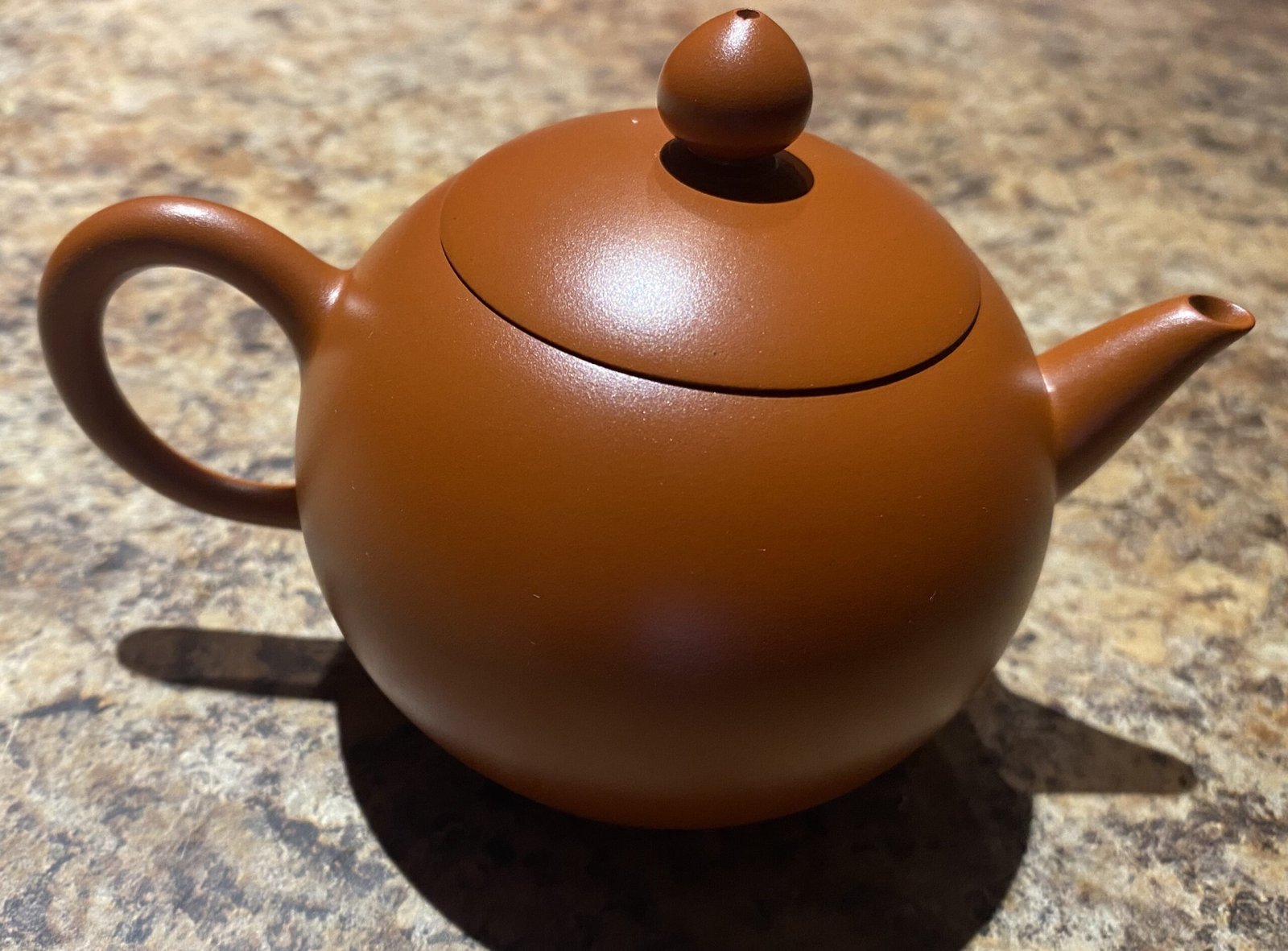
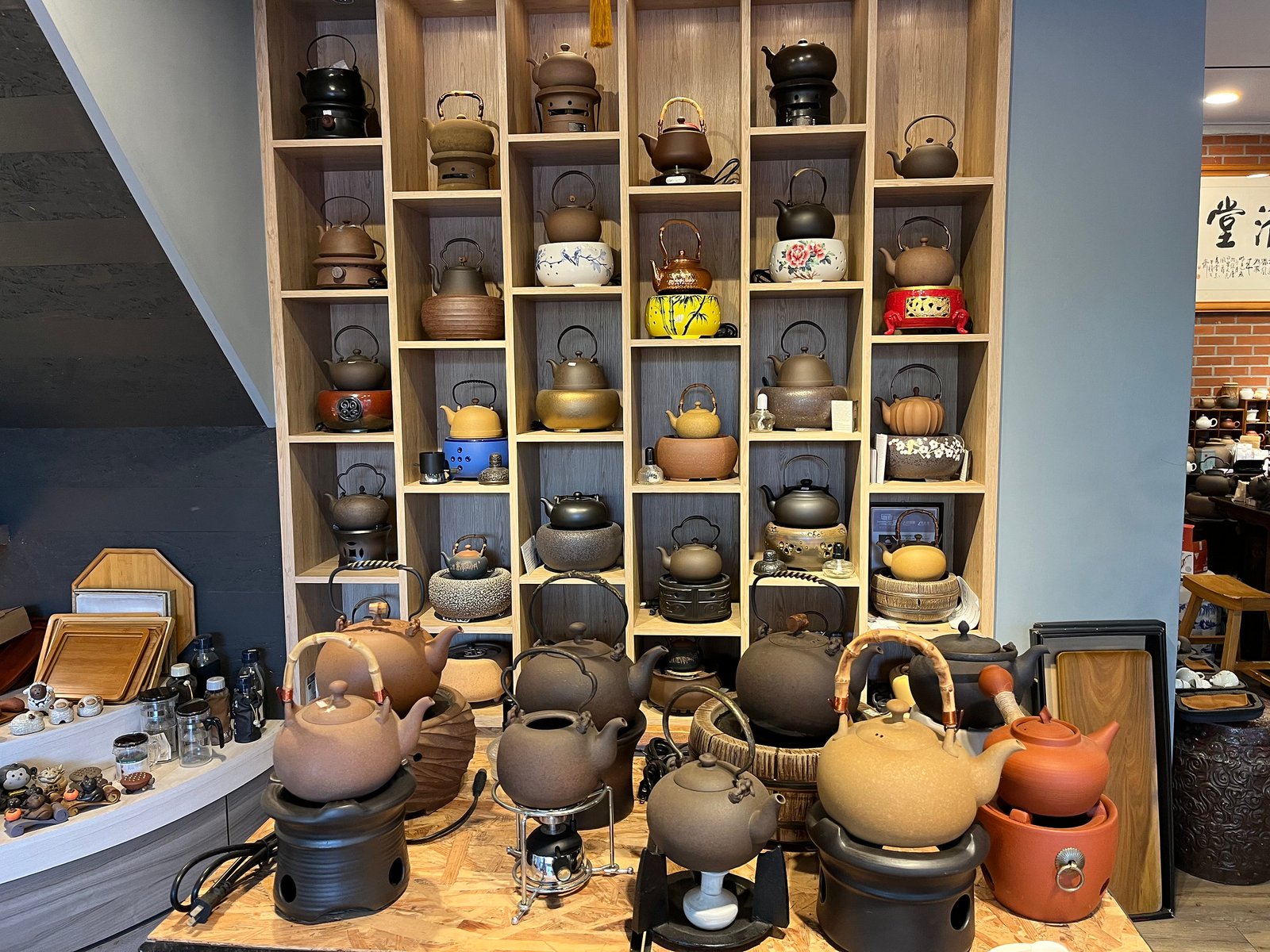
He was right. The teapots were so tiny they would look right at home at a child's tea party. The teapots we saw at the tea ceremony in Alishan were larger -- big enough to brew tea for at least four people. I was drawn to the smallest ones, just enough for a solo session or a couple. In a Gongfu ceremony, oolong tea is covered with just enough water to produce a few small cups, then the same leaves are brewed over and over, each steeping producing a slightly different taste and aroma. Once the leaves open up inside the pot, they typically fill it all the way to the brim.
Choosing the perfect teapot turned out to be a whole affair. There were teapots of every shape and size -- plain to exquisitely decorated, unglazed to brightly colored, common round to geometrically square to various whimsical forms. Some were covered in symbols, engraved calligraphy, or pictures of famous landmarks. I finally settled on a traditional round-bellied red-clay teapot, preferably handmade rather than factory produced. When I found one that fit my vision and budget, the seller happily sat us down for a tea ceremony to test it out.
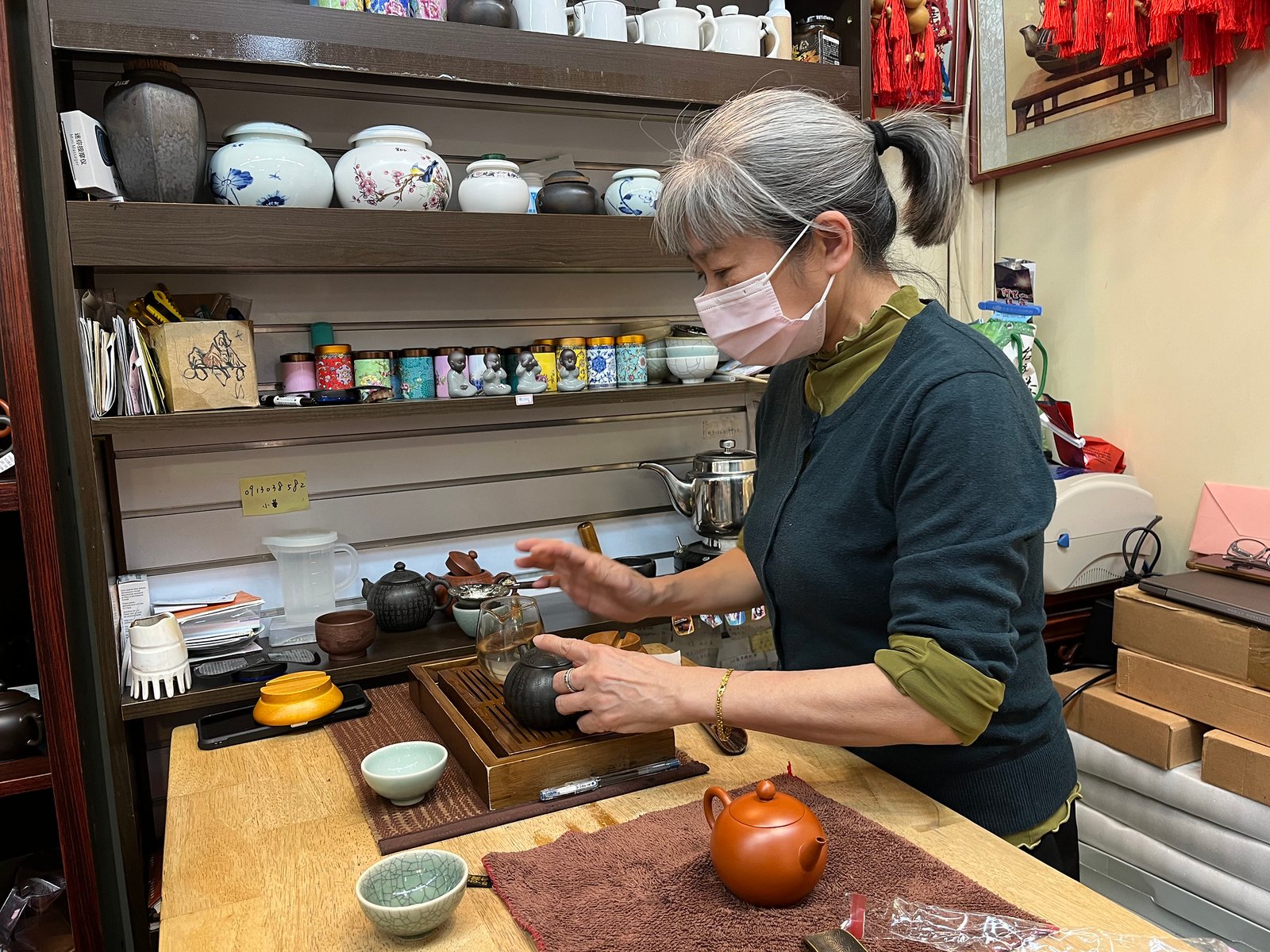
I watched her deliberate, slow movements -- the way she scooped the tightly rolled leaves from the bag and placed them inside the pot, the methodical way she poured hot water into the pot and then into the cups to warm them. There is something almost meditative about a tea ceremony, even when it takes place inside a busy shop.
Once the teapot was secured, I found a glass pitcher and a metal strainer in another shop. Tea doesn't get poured directly from the pot into the cups. It first goes through a strainer resting on top of a small glass pitcher, which filters the tea and lets you see the color of the current brew.
"Tea pet time!" I announced, and I could see Victor still didn't believe it was real and not something I'd invented. None of the tea ceremonies we had taken part in featured a tea pet, but I had read about them beforehand and was eager to find one. A tea pet is a small clay figurine placed on a tea tray, typically shaped as an animal believed to bring good luck, fortune, wealth, or longevity. Beyond decoration, it serves a practical function. In Gongfu tea ceremonies, the first rinse of the leaves is discarded. Instead of wasting it, tradition calls for pouring it over the pet -- "feeding" it, while also providing a graceful way to dispose of the water. For someone as clumsy as me, having a tea pet on the tray also helps direct the water flow precisely, rather than splashing it everywhere.
We found a store with dozens of small bins of tea pets on display and began searching for our companion. As much as I wanted a cat or two -- two cats backpack is the name of the blog, after all -- there was only one cat figurine, and it wasn't very cute. The tiny Shiba Inu tea pets, on the other hand, were absolutely adorable. Shiba dogs are wildly popular in Taiwan, and we had been playing "spot the cutest doggie" for the entire trip, so the choice felt fitting.
Finally, my tea set was complete. I wouldn't call myself an expert, but I've hosted a few tea ceremonies for friends at home and feel like I've gotten the hang of it. My favorite use of the set these days is solo brewing -- just relaxing with my little Shiba pet and enjoying cup after cup of oolong. In the meantime, the clay teapot spends most of its time on the shelf in our "Museum of Travel," right next to the Bosnian copper serving tray and the Nicaraguan ceramic vase.